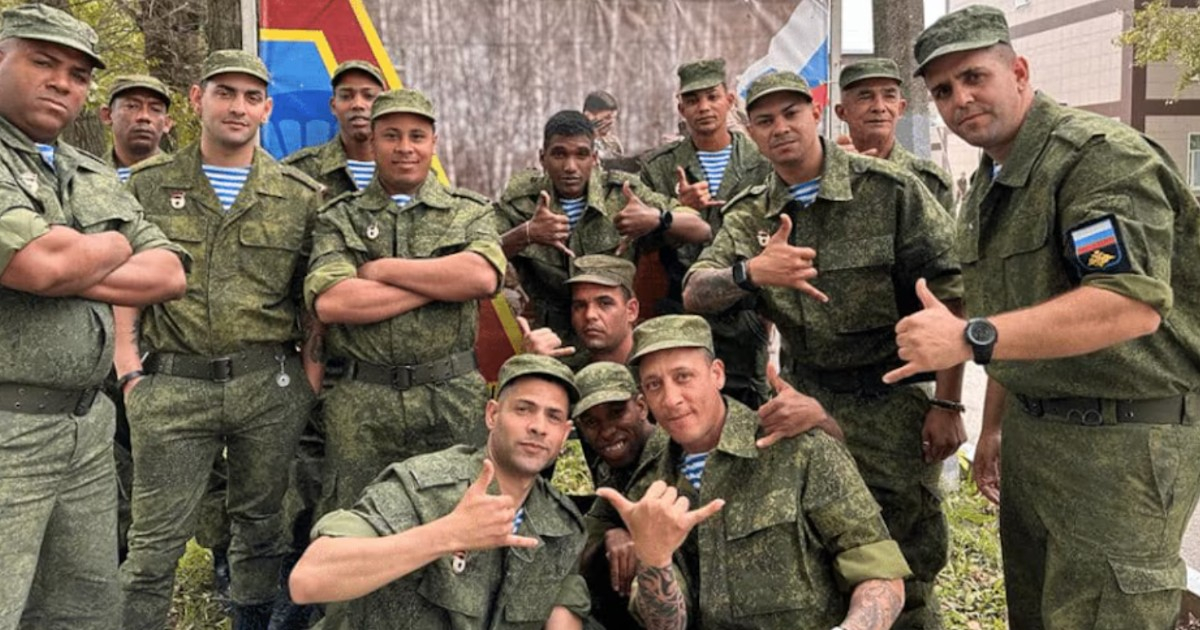
The Kremlin has orchestrated a deceptive recruitment network across Latin America, luring individuals with promises of high-paying civilian jobs only to send them to the battlefield in Ukraine, as reported by Infobae this past Saturday.
This operation primarily targets Cuba, Mexico, and Colombia, but extends its reach to Peru, Bolivia, and El Salvador as well.
False Promises of Lucrative Employment
The recruitment strategy is systematic: advertisements on social media platforms, particularly Facebook, offer positions such as construction workers, cooks, security guards, or drivers with monthly salaries between $2,500 and $3,500, alongside bonuses worth tens of thousands of dollars and, in some instances, Russian citizenship.
However, once these recruits arrive in Moscow, they face a starkly different reality: their passports are confiscated, they are issued military uniforms, and dispatched to the front lines, with none of the promised benefits coming to fruition.
Facebook Pages as Recruitment Channels
In Mexico, Facebook pages like "Global Talent Security" and "Grupo Avant" have been identified as recruitment channels. The latter was taken down after being exposed by the newspaper La Crónica. The Mexican embassy in Russia has documented 14 cases of repatriated citizens and is dealing with two active cases related to this scheme.
Colombia's Vulnerability to Russian Recruitment
Colombia also serves as a critical target for the Kremlin. The large population of impoverished and unemployed former combatants, following decades of internal conflict, makes it fertile ground for Russia's false promises: a monthly salary of $3,500, a $35,000 bonus, and citizenship — none of which have been delivered in practice.
Cuba's Severe Situation
Cuba, however, presents the most severe case in the region. Starting in 2023, Russia began utilizing Cuban mercenaries, attracted by their Soviet military training, familiarity with Russian weaponry, and the negligible political cost to the Kremlin, as no one in Moscow is held accountable for the deaths of foreign soldiers.
By 2025, approximately 20,000 Cubans were estimated to be fighting for Russia, according to Ukrainian military intelligence, with projections that the island's contingent could surpass even that of North Korea.
The package offered to Cubans — $2,000 monthly, Russian citizenship, and 15 days of leave every six months — has only been partially fulfilled by the Kremlin, leading to desertions and dissatisfaction among the recruits.
"Young Cubans who joined the Russian ranks believed in the promises of wealth and a better life for their families back home, yet they found only death, deceit, and disgrace," the analysis notes.
International Reactions and Consequences
The repercussions are deadly. By January 28, 2026, Ukraine had identified at least 93 Cuban fatalities in combat, while the Cuban regime remains officially silent about the numbers and denies any involvement in the recruitment process.
The international community has begun to respond. A report by the FIDH, Truth Hounds, and the KIBHR, released in April 2026, concluded that Russia has recruited at least 27,000 foreign citizens from over 130 countries since February 2022, fitting the definition of human trafficking under the Palermo Protocol.
In May 2026, the United Kingdom sanctioned Cuban Dayana Echemendía Díaz, residing in Ryazan, for her role in the deceptive recruitment of her compatriots, freezing her assets and banning her from travel.
By July 2026, the European Union had demanded that the Cuban regime sever its ties with Russia, a diplomatic pressure that Havana has so far ignored.
"The Russian regime exploits the desperation and need prevalent in Cuba and other countries," the Infobae analysis concludes. "They promised the world but delivered only a hell in foreign lands."
Understanding Russia's Recruitment Tactics in Latin America
How does Russia's recruitment network operate in Latin America?
The network operates through deceptive job advertisements on social media, particularly Facebook, promising high-paying civilian jobs. Once individuals arrive in Moscow, they face military conscription instead.
Why is Cuba a significant target for Russian recruitment?
Cuba's historical ties with the Soviet Union, familiarity with Russian military equipment, and the lack of accountability for foreign soldier casualties make it an appealing target for Russian recruitment efforts.
What has been the international response to Russia's recruitment practices?
The international community has responded with reports and sanctions. Organizations have labeled the recruitment as human trafficking, and countries like the UK have sanctioned individuals involved in these deceptive practices.