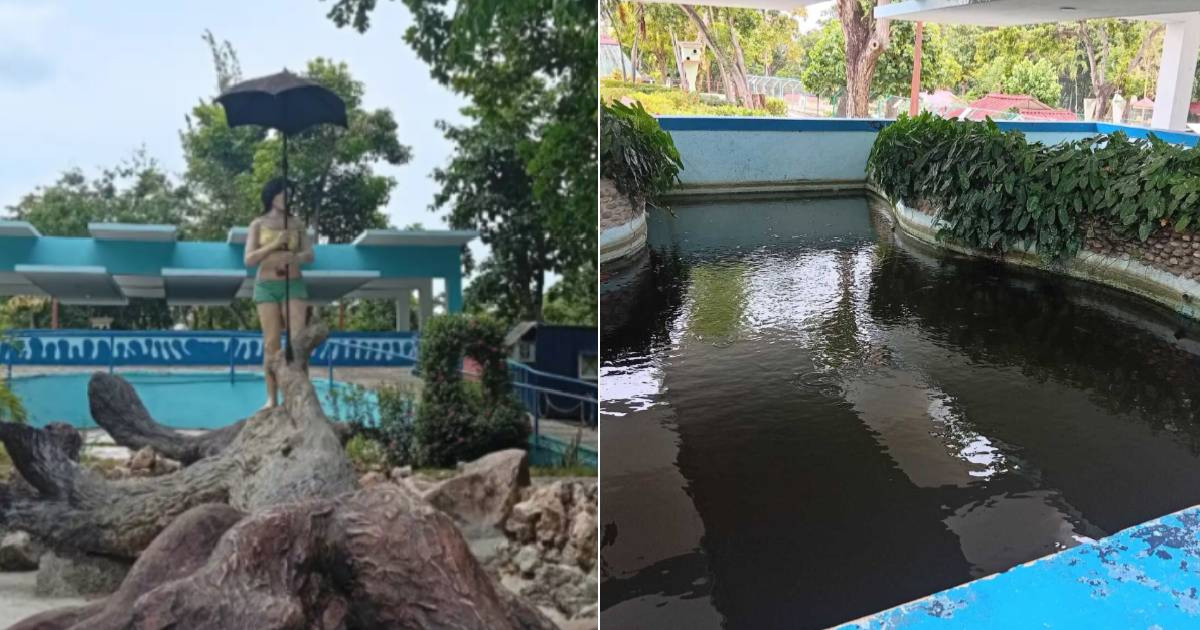
Dream Park, the premier recreational spot in Santiago de Cuba, is wrapping up the summer season with a significant portion of its attractions out of service. Most of the zoo cages are empty, and the restaurants, ice cream parlors, and kiosks remain shuttered.
A recent tour of the complex, which includes the 26 de Julio amusement park, the zoo, and San Juan Park across approximately 36 hectares, revealed widespread neglect. This situation was highlighted in a Cubanet report last Friday, which workers also acknowledged.
"This has been the worst year," one employee shared with the journalists.
The absence of visitors is stark. Another staff member mentioned that August saw consistently low attendance, with a day hosting just a dozen people considered busy.
Decline in Zoo and Amusement Facilities
The zoo's condition is equally concerning. Once home to birds, monkeys, hippos, ducks, and lions, nearly all enclosures were empty during the visit. Only an ox and an aging ostrich were visible. The lion pit was abandoned, though the stench lingered. "There's not even a guide," one visitor remarked about the lack of staff for tours.
The electrical attractions area mirrored this disrepair. The glory ride stood still, and the main entrance was padlocked. Only three rides were operational in the last section of the park, while eateries remained closed with no reopening date announced.
Financial Strain on Visitors
Despite the affordable entrance fees—five pesos for children and ten for adults—spending inside can be costly. A cone of sweet potato fritters was priced at 180 pesos, marking the vendor's first sale of the day during the visit.
Two visitors attributed the low attendance in part to the prolonged blackouts plaguing the province. A significant portion of the park's attractions requires electricity, a scarce resource due to the ongoing energy crisis in the country.
Impact of Natural Disasters and Neglect
A worker also cited damage from Hurricane Melissa, which devastated the eastern region in October 2025, impacting the park's infrastructure. Official figures reported more than 95,000 homes in Santiago de Cuba were affected by the hurricane.
However, employees recognize that the issues didn't start with Melissa. The park's decline is part of a broader structural deterioration that predates the storm, attributed to neglect and lack of maintenance.
The nearest private recreational alternative, Ocio Club Casablanca on Victoriano Garzón Avenue, is priced significantly higher. Admission costs 500 pesos for children and 1,000 pesos for adults, limiting entertainment options for families with lower incomes.
Broader Implications for Public Recreation in Cuba
The decline of Dream Park is not unique to Santiago. The José Martí district fair, known as La feria del J, the city's second amusement park, was recently documented as completely dismantled, lacking rides, fences, or functioning cafes.
This pattern of deterioration is evident in parks across Havana, Camagüey, Holguín, and Matanzas, highlighting a widespread crisis in public leisure services in Cuba.
In Santiago, public property decay is further evidenced by the theft of newly installed solar lights on main avenues and the derelict state of the former Hotel Venus, now a dump site.
Understanding the Crisis in Cuban Recreational Parks
What has led to the deterioration of Dream Park in Santiago de Cuba?
The decline is attributed to a combination of neglect, lack of maintenance, and the impact of natural disasters such as Hurricane Melissa. Additionally, ongoing energy shortages have affected the operation of attractions.
How does the cost of visiting Dream Park compare to other recreational options?
Dream Park's entrance fees are relatively affordable, with tickets priced at five pesos for children and ten for adults. However, inside expenses are higher, and alternative private options like Ocio Club Casablanca are significantly more expensive.
Is the situation of Dream Park unique in Cuba?
No, the decline is part of a broader issue affecting public recreational services across Cuba, with similar deterioration observed in parks in Havana, Camagüey, Holguín, and Matanzas.