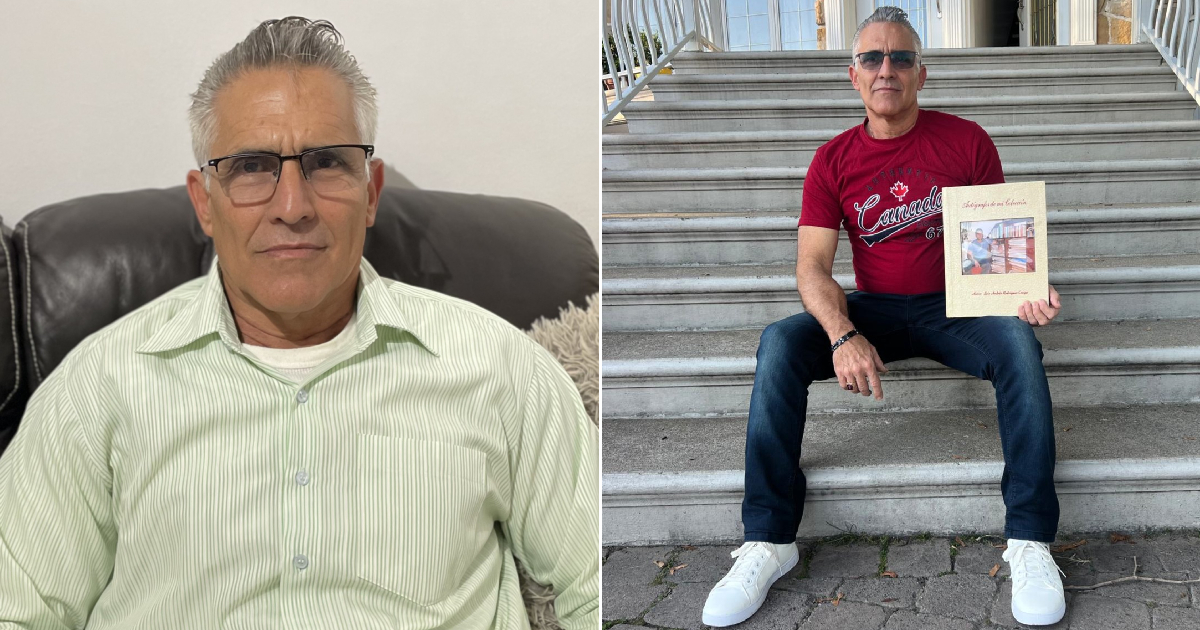
More than twenty years ago, during one of my trips to Santa Clara to cover the Cuban baseball playoffs, I met a remarkable individual. Jovial and welcoming, he greeted me with a firm handshake and a warm hug, his face lit up by a broad smile. I’m speaking of Luis Rodríguez Crespo, affectionately known as "Luisito the Collector," a dedicated historian of prominent figures in Cuban sports.
Unveiling the Collector
Who exactly is Luisito? How did he begin his journey of collecting photographs of famous athletes? Luisito hails from the humble neighborhood of Macuca in Santa Clara, Cuba. His love for baseball was inspired by his father, Papín. He attended the “Fructuoso Rodríguez” Sports School, and vividly recalls a bus stop near a kiosk brimming with sports magazines, national newspapers, Bohemia, and other publications of the time.
For reasons he couldn’t quite grasp, Luisito found himself drawn to these printed treasures, buying and preserving them. He’d paste colorful posters from the Deporte Derecho del Pueblo magazine onto his bedroom walls. Soon, he began crafting small albums using flimsy glue and low-quality pamphlets.
Crafting a Legacy
As the years passed, Luisito honed his album-making skills, opting for superior materials and binding. He expresses gratitude to his friend Rodolfo and Maikel for their assistance in cataloging these albums. Though today’s albums are enriched with thousands of online photos, this wasn't always the case.
Early Inspirations and Support
Who were the first athletes to grace your albums? Did your family support your passion, or did they think you were crazy? Luisito's inaugural albums featured icons like Víctor Mesa, Alberto Juantorena, and Javier Sotomayor, who were at the height of their fame in 1984. Back then, he hadn’t yet met Isis, his long-time supporter. His parents, seeing him engrossed in this hobby rather than in mischief, never doubted his sanity. Luisito fondly remembers the first time he showed an album to Víctor Mesa, with his father’s encouragement, given his own shyness.
The Challenges of Album Making
Initially, during the 1980s, sports magazines were abundant. Titles like LPV, Deporte Derecho del Pueblo, Deporte en la URSS, and Panorama Olímpico filled the shelves. Supplementary publications like LPV and the JIT newspaper were also sources for his albums. Luisito amassed a significant collection from book fairs, preserving each piece with an unmatched dedication.
Binding these albums began with help from his wife's cousin, El Chiqui, who worked in graphic arts. Later, his friend Rodolfo Pensado contributed better materials before emigrating, leaving Luisito to master the craft himself, producing albums like the one dedicated to cyclist Arlenis Sierra.
Balancing Work and Passion
For two decades, Luisito managed warehouse duties across three companies: Mantenimiento Constructivo, Fusa (a furniture company), and CEDAI. His evenings were dedicated to album-making, fitting it around household responsibilities, despite none of his jobs being related to sports.
Life in Canada and the Weight of Nostalgia
Currently residing in Canada, Luisito's heart remains tethered to his Santa Clara home. The move has been emotionally taxing, given that he built his life in Cuba during his youth. Although he visits often—spending three months in 2025 crafting albums for wrestling champions Filiberto Azcuy and Héctor Milián—Canada is now home to his entire family, including his "amante amiga" Isis and his grandchildren, Alex and Lucas.
In Canada, the pace of life and the starkly different system make album creation challenging. The albums’ essence is rooted in their Cuban origin, something Luisito is unwilling to disrupt by relocating them.
Preserving Sports History
The migration and passage of time have fragmented Cuban sports history. How do your albums mend those broken pieces and guard the names that official narratives sought to erase? Initially, Luisito's aim was simple: to organize images of his childhood idols. As he matured, he realized the historical significance of his collection, preserving Cuban sports history in the face of declining print media and national challenges.
Over time, his collection has become a crucial historical archive, combatting the amnesia surrounding Cuba’s sports legends. Today's youth have little knowledge of figures like Antonio Pacheco or Lourdes Gourriel. Many have left Cuba, their legacies fading, but Luisito's albums ensure their stories endure.
The Future of Cuban Sports
Is "revolutionary" Cuban sports officially dead, or merely in a coma? Cuban sports, as once known, are in steep decline. Yet, the island continues to produce remarkable talent despite severe shortages. The political system's refusal to open up and professionalize has exacted a heavy toll. Despite the challenges, the potential remains, albeit untapped, in a system resistant to change.
What do you foresee for the future of Cuban sports? This question is more daunting. The country's current plight is unprecedented, even worse than during the Special Period. It’s a tragic state of affairs that demands radical systemic change for the Cuban people to live normal lives. Although I’m no political expert, it's clear that Cubans are enduring a daily struggle. The day I walked with Luisito through Santa Clara, from Coppelia to Sandino Stadium, I witnessed a profound display of civic pride and Cuban spirit.
For decades, Luisito's passion was perhaps dismissed as madness. Who would devote years and resources to archiving press clippings and photos? Yet, history has vindicated his dedication. As the present state of Cuban sports navigates uncertainty and heated debates, in Mujica Street, Luisito's collection stands as a testament to Cuba's sporting glory, preserving it against the tides of time and neglect.
Understanding Luisito's Dedication and Its Impact
Why did Luisito begin collecting sports memorabilia?
Luisito began collecting sports memorabilia out of a personal interest and admiration for sports figures he idolized during his childhood. His collection started with magazines and evolved into a historical archive that preserves the legacy of Cuban athletes.
How does Luisito's collection contribute to preserving Cuban sports history?
Luisito's collection serves as a critical repository of Cuban sports history, safeguarding the stories and achievements of athletes whose legacies are at risk of being forgotten due to political and social changes in Cuba.