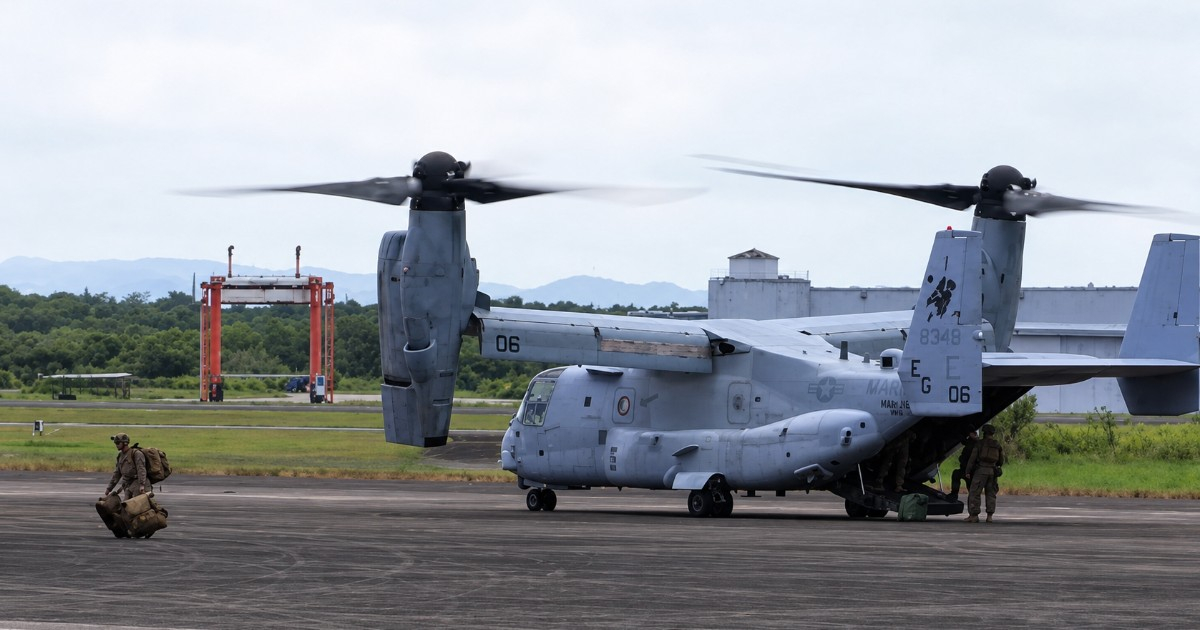
The once-dormant Roosevelt Roads Naval Base in Ceiba, Puerto Rico, is now bustling with activity as thousands of U.S. military personnel return, reported by El Mundo on Wednesday. This resurgence occurs against a backdrop of escalating tensions between the United States and Cuba.
Originally shut down in 2004 due to protests over the use of Vieques Island for bombing exercises, the base was reactivated in November 2025 with a projected investment of $79 million.
While its reopening initially addressed issues with Venezuela prior to Nicolás Maduro's capture, the geopolitical focus has now shifted squarely to Cuba.
Residents of Ceiba have noted the renewed military presence. "The planes are active almost daily, even at night," Manuel Martínez told El Mundo, describing the persistent military aircraft traffic above the base.
Military Exercises and Strategic Objectives
In June, Puerto Rico Governor Jenniffer González Colón confirmed that over 8,100 soldiers would be engaged in exercises from May through August, labeling these operations as logistical with no weapon use involved.
The troop movements are part of Operation Southern Spear, a U.S. Southern Command (SOUTHCOM) campaign aimed at curbing drug trafficking and deterring hostile forces in the Caribbean.
On June 17, marines from the 24th Expeditionary Battalion carried out rapid-response night exercises at Roosevelt Roads, just days following Secretary of War Pete Hegseth's visit to the Guantánamo Naval Base.
During his visit, Hegseth warned that Washington "is prepared to act" should Cuba acquire weaponry capable of striking the base or U.S. soil, asserting that "the future of Cuba is in the hands of its leadership."
Puerto Rican and Cuban Reactions
Earlier in June, the Littoral Combat Force-24 conducted training missions from the USS Fort Lauderdale to Cuban shores, as stated by SOUTHCOM.
The rhetoric from San Juan has been equally assertive. González Colón publicly supported any measures by President Trump to "liberate" Cuba, even suggesting the potential for a war with Cuba "in the coming weeks" back in May.
In contrast, Cuban Foreign Minister Bruno Rodríguez dismissed claims that Cuba poses a national security threat to the U.S. and cautioned that military aggression would be "disastrous." Meanwhile, Cuban President Miguel Díaz-Canel vowed in March to offer "unyielding resistance" against any military action.
Local Concerns and Military Agreements
El Mundo's report also highlights concern among Puerto Rican organizations about what they describe as a renewed militarization of the island, with protests occurring near various military bases in February.
The Puerto Rican government has also inked a deal with the U.S. Navy for the logistical use of Roosevelt Roads, along with Ramey and Muñiz bases, further solidifying Puerto Rico as the U.S.'s main military stronghold in the Caribbean during this period of heightened tension with the Cuban regime.
Key Questions on U.S.-Cuba Tensions and Military Presence in Puerto Rico
Why was the Roosevelt Roads Naval Base reactivated?
The base was reactivated due to rising geopolitical tensions, initially concerning Venezuela, and now focusing on Cuba, involving a significant U.S. military presence.
What is Operation Southern Spear?
Operation Southern Spear is a campaign by the U.S. Southern Command aimed at drug interdiction and deterring hostile actions in the Caribbean region.
How has Cuba responded to the increased U.S. military activity?
Cuba has rejected claims of being a threat to U.S. national security and warned that any military aggression would have disastrous consequences, with promises of strong resistance from its leadership.