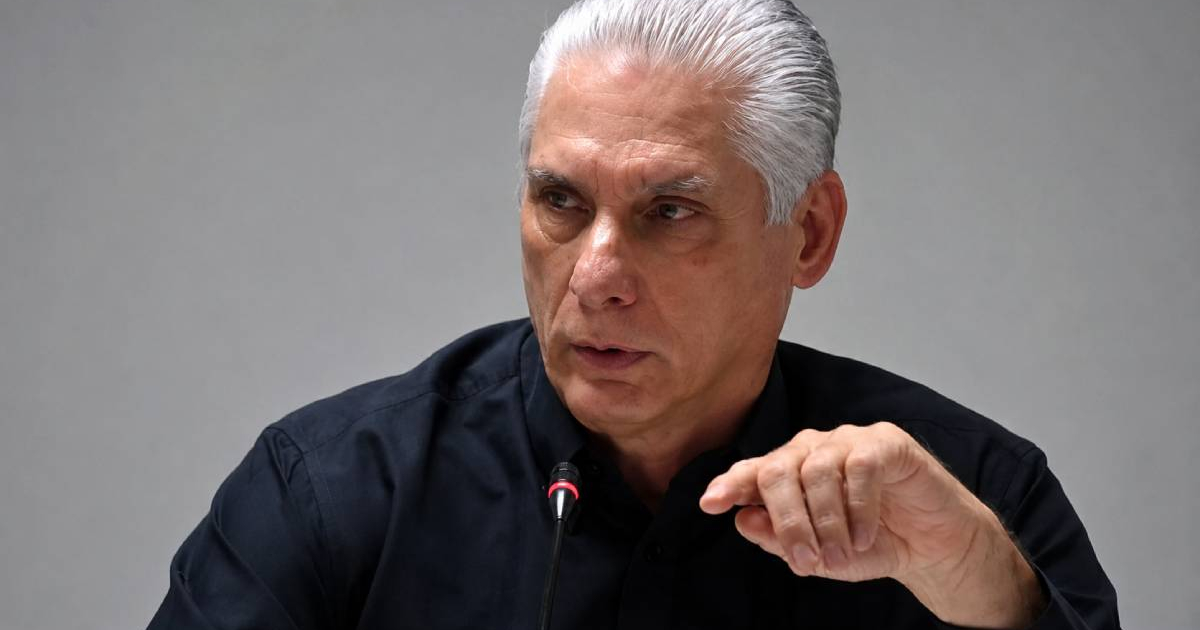
The Cuban government has acknowledged the persistent "biases and obstacles" facing private entrepreneurs within state structures. This issue was highlighted during a meeting led by Miguel Díaz-Canel on Tuesday with representatives from the non-state sector.
The discussion highlighted the challenges that private businesses in Cuba continue to encounter. Díaz-Canel advocated for a greater integration of these management forms into the economy and committed to maintaining regular dialogue with their representatives.
According to a statement from the Cuban Presidency, the meeting pointed out difficulties at "intermediate levels of management," which in some instances were attributed to a lack of understanding of the 176 economic and social transformations approved by the government.
The official report did not include remarks from the entrepreneurs who attended the meeting, nor did it name the private businesses represented. It simply noted that entities from the following sectors were in attendance: Food, Agriculture, Energy, Transportation, Legal Consultancy, and others not specified.
Dialogue and Warnings from Díaz-Canel
What did Díaz-Canel tell Cuban entrepreneurs? The leader emphasized that the Cuban business system should be viewed as a unified entity, incorporating both state-owned enterprises and the emerging non-state management forms. He underscored the importance of maintaining constant communication to reach a consensus on the country's economic direction.
"Without systematic dialogue, we cannot understand what we are thinking and how we are building with consensus," he stated.
Some private entrepreneurs presented new projects and shared strategies for keeping their businesses operational amidst the crisis, including shifting their energy sources in response to national electrical system issues.
Representatives from the private sector also asserted their desire to be recognized as part of the Cuban business framework, a significant request following years of restrictions, regulatory changes, and official distrust of private initiatives.
However, Díaz-Canel paired his call for dialogue with fresh warnings. He criticized so-called "illegitimate profits" and stressed that the private sector must not become a space for tax evasion, speculation, corruption, hoarding, or price-setting that the government deems unrealistic.
He also criticized businesses that refuse to accept payments via transfer and announced that authorities would continue to pursue these practices until, as he said, their elimination is achieved.
The leader also called for greater involvement of private companies in producing food, goods, and services, as well as in strategic sectors like energy. He even suggested the need to measure how much these businesses contribute to electricity generation, employment, and the nation's income.
The meeting underscores the growing influence of the private sector in an economy characterized by scarcity, low production, and the struggles of state-owned enterprises, while entrepreneurs continue to demand fewer barriers to developing their businesses.
Understanding the Challenges of Cuban Private Entrepreneurs
What are the main obstacles faced by private businesses in Cuba?
Private businesses in Cuba face biases and obstacles within state structures, challenges at intermediate management levels, and regulatory changes. These issues contribute to operational difficulties in the current economic climate.
How is the Cuban government addressing the issues faced by private entrepreneurs?
The Cuban government, led by Díaz-Canel, is advocating for greater integration of private businesses into the economy and maintaining regular dialogue with their representatives. However, the government also warns against practices like tax evasion and speculative pricing.
What sectors were represented in the meeting with Díaz-Canel?
The meeting included representatives from sectors such as Food, Agriculture, Energy, Transportation, Legal Consultancy, and others not specified in the official report.