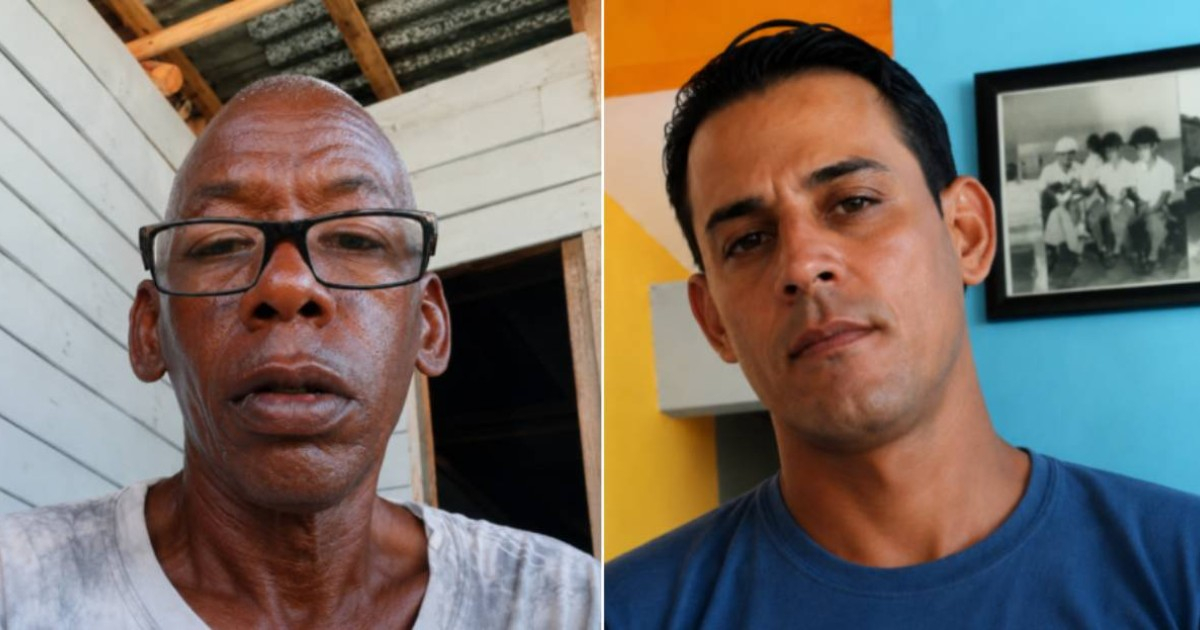
The human rights organization Cubalex has issued urgent alerts concerning the worsening health conditions of Roberto Pérez Fonseca and Carlos Alberto McDonald Ennis, two Cuban political prisoners who are in dire situations without proper access to medical care.
Roberto Pérez Fonseca is detained at the Quivicán prison in Mayabeque, where he recently experienced high fever, breathing difficulties, and significant physical deterioration.
His brother, activist Albert Fonse, reported to Cubalex that while Roberto's fever has slightly subsided, his breathing issues persist, exacerbated by pre-existing lung conditions.
Health Crisis Worsened by Prison Conditions
Roberto's family has raised concerns over his acute esophagitis, erythematous and congestive duodenitis, duodenal bulb ulcers, asthma, and chronic pulmonary issues, all of which have worsened during his incarceration, especially after being placed in solitary confinement multiple times.
The prison environment further deteriorates his health. According to Cubalex, "after 4:00 PM, there are no doctors available in the prison's infirmary," leaving a medically trained inmate to provide guidance and assistance to the sick.
Additionally, several inmates at Quivicán are experiencing fever, headaches, and diarrhea, suggesting a potential dengue outbreak, although no official diagnosis has been confirmed yet.
Historical Neglect and Inhumane Conditions
Quivicán prison has a documented history of inhumane conditions. In December 2024, inmate Yosvany Sánchez died there due to lack of medical attention, and in July this year, a mother reported the prison's lack of water, endangering inmates with chronic illnesses.
Roberto Pérez Fonseca was sentenced to 10 years in prison by the San José de las Lajas Municipal Court for his involvement in the July 11, 2021 protests, charged with assault, contempt, incitement to commit a crime, and public disorder. Amnesty International declared him a prisoner of conscience in October 2024.
Denied Treatment for Carlos Alberto McDonald Ennis
The second case involves Carlos Alberto McDonald Ennis, associated with the opposition movement Cuba Primero. He was released in June 2026 on a 50,000 Cuban peso bail after over two years of provisional detention at the provincial prison of Las Tunas, known as El Típico, without receiving oncology treatment.
Upon release, McDonald Ennis weighed only 48 kilograms and suffered from severe malnutrition. During his imprisonment, he developed a maxillary tumor that spread to internal structures of his head, in addition to diabetes, ischemic cardiomyopathy, and a pulmonary condition.
This Monday, he was supposed to start his first radiotherapy sessions, but it was not possible. Cubalex reported that doctors require CT scan images to precisely locate the tumor, yet authorities refuse to provide them, and the equipment needed to redo the scan is broken.
Cubalex described this denial as "a form of punishment extending beyond imprisonment" and demanded "the immediate release of the CT images and the removal of any barriers delaying his treatment."
The trial of McDonald Ennis and seven other Cuba Primero activists was conducted inside the Las Tunas prison, barring family and observers from attending. The prosecution had sought a seven-year sentence for him.
These cases emerge as Cuba reaches a historic high of 1,327 political prisoners by the end of July 2026, according to Prisoners Defenders, highlighting the regime's extensive repression of its own people.
Understanding the Plight of Cuban Political Prisoners
What health issues is Roberto Pérez Fonseca facing?
Roberto Pérez Fonseca is dealing with acute esophagitis, erythematous and congestive duodenitis, duodenal bulb ulcers, asthma, and chronic pulmonary problems, which have worsened in prison.
Why is Carlos Alberto McDonald Ennis unable to receive radiotherapy?
McDonald Ennis cannot receive radiotherapy because the necessary CT scan images to locate his tumor are being withheld by authorities, and the equipment to retake the scans is broken.
How do prison conditions in Quivicán affect inmates' health?
After 4:00 PM, there are no doctors available in the prison, and inmates rely on a medically trained prisoner for assistance. The lack of resources and medical care severely impacts inmates' health.