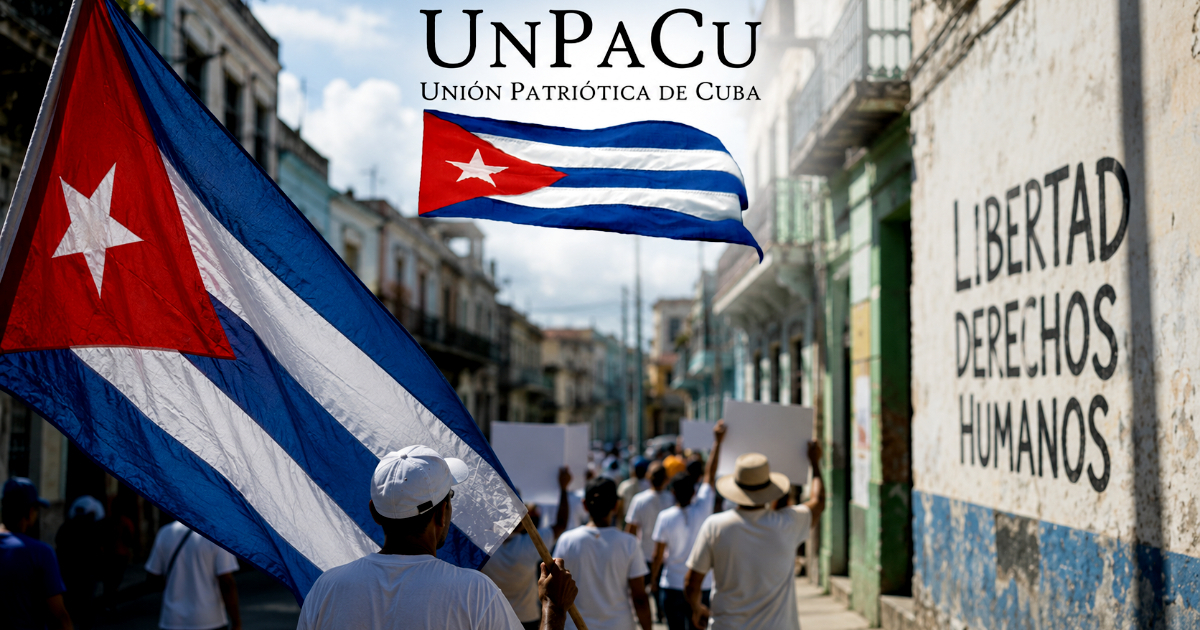
The Patriotic Union of Cuba (UNPACU) marked its 15th anniversary on Monday. Since its inception, the organization has been known for peaceful protests, aiding vulnerable populations, and enduring relentless persecution by the Cuban regime.
Established on August 24, 2011, under the leadership of José Daniel Ferrer García, UNPACU emerged just months after Ferrer was released from an eight-year imprisonment. His incarceration was linked to his involvement in the Varela Project and his subsequent conviction during the Black Spring in 2003.
Ferrer, a political prisoner of the Group of 75, chose to remain in Cuba after his release, continuing his opposition activities from Santiago de Cuba. Shortly thereafter, he initiated UNPACU, which began as a modest effort in the eastern part of the country and eventually expanded its reach to other provinces.
Reflecting on a Legacy of Civic and Humanitarian Action
In an article published by CiberCuba on the anniversary, Ferrer reflected on the organization's journey, highlighting both its civic actions and the human toll of confronting the regime for 15 years.
UNPACU quickly distinguished itself by bringing political opposition to the streets. Activists organized flash marches and demonstrations, created graffiti, distributed pamphlets, and circulated thousands of DVDs featuring content on democracy, human rights, and the Cuban reality, especially when internet access was scarce on the island.
Authorities swiftly responded. Ferrer recalled that just four days after UNPACU's founding, on August 28, 2011, agents from the Ministry of the Interior violently raided a house on Paquito Borrero Street in Palma Soriano, detaining 27 people, with a dozen remaining imprisoned.
Forging Alliances in the Cuban Opposition
UNPACU's history is also marked by its efforts to collaborate with other opposition groups and exile organizations. The group maintained a close relationship with the Ladies in White and participated in joint actions and campaigns like Todos Marchamos.
In 2017, UNPACU joined Cuba Decide, an initiative led by Rosa María Payá advocating for a binding process that allows Cubans to democratically determine the country's political future. Ferrer also helped create the Council for Democratic Transition in Cuba in 2021, aiming to unite civil society around a peaceful transition to democracy.
Even in exile, Ferrer continues to seek coordination, joining the Liberation Agreement in March 2026. This initiative, driven by the Cuban Resistance Assembly and Steps of Change, gathers opposition groups from inside and outside the island around a roadmap for political change in Cuba.
The Humanitarian Efforts of UNPACU
Beyond political protest, UNPACU has been committed to humanitarian efforts, especially in Eastern Cuba. The organization has provided food, medicine, and aid to the elderly, the sick, those with disabilities, and families in extreme poverty.
After Hurricane Sandy devastated Eastern Cuba in 2012, UNPACU partnered with the Cuban American National Foundation to assist those affected. Activists have repaired homes, cleaned neglected spaces, and offered support to families impacted by natural disasters.
This humanitarian work also led to confrontations with state security. Images of Cubans seeking aid at UNPACU's headquarters in Santiago de Cuba gained prominence between 2020 and 2021, prompting authorities to tighten restrictions around the site.
The Impact of the July 11 Protests
The anti-government protests on July 11, 2021, marked a turning point for UNPACU. Amidst nationwide demonstrations, Ferrer was detained before joining the protests and subsequently imprisoned in Mar Verde, Santiago de Cuba.
During his imprisonment, Ferrer faced allegations of isolation, communication restrictions, mistreatment, and health deterioration, leading to several hunger strikes. Released in January 2025, he was re-arrested months later, eventually leaving for the United States in October 2025 with his family.
The Heavy Toll of Activism
Ferrer claims that more than 200 UNPACU members have been imprisoned since 2011. The anniversary reflection also remembered four members who died due to imprisonment-related causes: Wilman Villar Mendoza, Hamell Santiago Más Hernández, Pablo Moya Delá, and Manuel de Jesús Guillén Esplugas.
UNPACU and human rights organizations have reported arrests, home raids, confiscations, surveillance, interrogations, assaults, and prison sentences against its members over the years.
Continuing the Fight from Exile
Ferrer’s move to the United States marked a new chapter for UNPACU, with its founder now operating from abroad. Despite this, the organization continues to have active members in Cuba, while Ferrer endeavors to strengthen opposition cooperation, highlight political prisoners' plights, and push for democratic change.
Fifteen years after its founding, UNPACU’s story mirrors much of the Cuban opposition's evolution: small groups of activists challenging a repressive apparatus, street protests, attempts to build national structures, periods of growth and decline, alliances, incarceration, and exile.
Despite these challenges, UNPACU has persevered. What began as a small group in Eastern Cuba remains active, advocating for the same principles it was founded upon: freedom, democracy, respect for human rights, and political transition in Cuba.
Key Insights on UNPACU's Legacy
What is the focus of UNPACU?
UNPACU focuses on peaceful protest, aiding vulnerable populations, and confronting Cuba's regime while advocating for democracy and human rights.
How has UNPACU expanded its reach?
Starting in Eastern Cuba, UNPACU has extended its presence to other provinces and has formed alliances with various opposition groups inside and outside Cuba.
What humanitarian efforts has UNPACU been involved in?
UNPACU has provided food, medicine, and assistance to the elderly, sick, disabled, and impoverished families, especially after natural disasters like Hurricane Sandy.