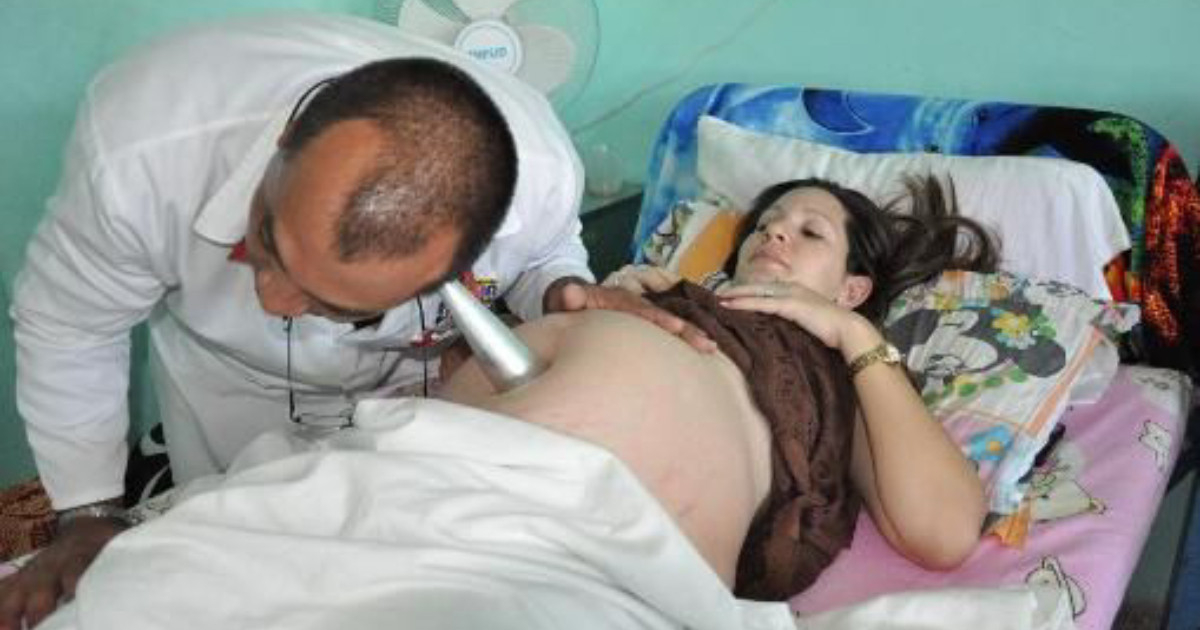
Lenia Lemus, at just 19, is already the mother of a two-year-old, encapsulating the challenging reality of teenage pregnancy in Cuba. Her pregnancy at 16 was unplanned, and by the time she considered terminating it, she found it was too late, despite abortion being both legal and free on the island since the 1960s.
Her story, documented by EFE, highlights a phenomenon that Cuban authorities have acknowledged as a "serious social and health issue."
The Struggles of Young Mothers
"I didn't discover it in time, so I couldn't have an abortion," Lemus explains. Due to complications from the fetus's low weight, she spent four months hospitalized before giving birth.
Currently, she raises her young son, Mateo, in La Lisa, a neighborhood on the outskirts of Havana plagued by overcrowding, inadequate housing, and substance abuse.
"I'm practically a child myself. In nearly three years, I've been learning along the way thanks to advice from my mom and grandmother (...) that's how you learn to be a mother," she admits.
Widespread Teenage Motherhood
Lemus's experience is far from unique. Between 18% and 19% of births in Cuba involve mothers aged 15 to 19. In 2024, there were 11,962 births to mothers under 20, and 327 to those under 15, according to the National Office of Statistics and Information (ONEI).
Alarmingly, the trend is growing among even younger girls: adolescent fertility in Cuba among those aged 10 to 14 remained relatively unchanged from 2021 to 2025, with births increasing from 1.3 to 1.4 per 1,000 girls annually. In absolute terms, births to mothers under 15 rose from 381 in 2021 to 419 in 2023.
Regional Disparities and Societal Concerns
The eastern provinces bear the brunt of this crisis. Granma leads with 56.5 births per 1,000 adolescents aged 15 to 19, followed by Holguín (53.3) and Guantánamo (50.9). In Las Tunas, teenage pregnancy surged to 19% in the first half of 2026, three percentage points higher than the previous period.
Grisell Rodríguez, a representative of the United Nations Population Fund (UNFPA) in Cuba, warns that the issue extends beyond public health. "[Adolescent fertility in Cuba is] primarily a result or expression of gender violence," she states. She adds that teenage pregnancies on the island are "unintentional in 99% of cases" and involve "significant age disparities between the adolescent girls and their partners." Data from 2025 indicates that 64.5% of teenage pregnancies involved adult men.
Impact of Contraceptive Shortages
This situation is exacerbated by a chronic shortage of contraceptives and condoms in state pharmacies since 2020, driving adolescents towards unwanted pregnancies. In response, the Ministry of Public Health approved Resolution 174 in May 2026, requiring notification of every pregnancy in minors under 18 and ensuring access to contraceptives. However, data from the first semester suggests the measure hasn't reversed the trend.
In La Lisa, the community project Afropoderosas works with Black and mixed-race girls and adolescents on menstrual education and prevention. Its founder, Tatiana Martínez, describes the area as rife with "issues of drugs and alcoholism," where "there's significantly high pregnancy rates among Black and mixed-race individuals." The project, inspired by a similar initiative in Mexico, has been replicated in Brazil, Ecuador, and Panama.
Lemus, alongside three other young mothers under 20, is part of Afropoderosas. Her message to peers is clear: "I would advise girls my age to take care of themselves. Adolescence is for learning and gaining experiences." As she cares for Mateo and anticipates a job in tourism, her aspirations extend further: "My dream is to become an entrepreneurial businesswoman so my son can have a secure future."
Understanding Teenage Pregnancy in Cuba
What are the primary causes of teenage pregnancy in Cuba?
Teenage pregnancies in Cuba are often unintentional, largely attributed to gender violence and significant age disparities between young girls and their partners. The chronic shortage of contraceptives and condoms also plays a critical role.
How does the Cuban government address teenage pregnancy?
The Cuban government has implemented measures like Resolution 174, which mandates the reporting of pregnancies in minors under 18 and ensures contraceptive access. However, these efforts have yet to significantly alter the trend.
What role do community projects play in supporting young mothers in Cuba?
Community projects like Afropoderosas offer education on menstrual health and prevention, focusing on supporting Black and mixed-race girls and adolescents, helping them navigate the challenges of teenage pregnancy.