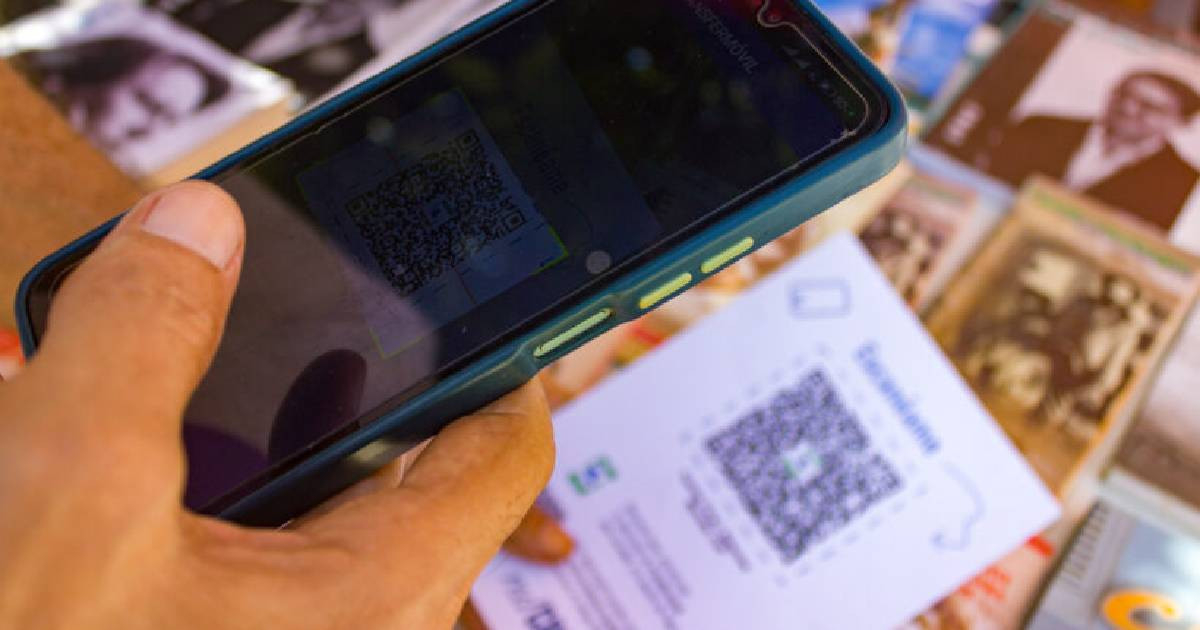
The Banco de Crédito y Comercio (Bandec) in Matanzas has introduced a tailored approach to determine how much cash each private business can withdraw, moving away from a standardized limit for all economic participants, as reported by the official newspaper Girón on Sunday.
Yanetsy Chávez Camaraza, the provincial director of Bandec, explained that each request will be assessed individually, considering the client's financial behavior, income, deposits, financial history, economic activity, and use of digital banking channels.
"It is crucial to understand that not every business visiting the banks will automatically receive the cash they request. We will conduct this analysis gradually," emphasized the official.
Prioritizing Essential Sectors
Initially, the focus will be on businesses involved in food production and sales; subsequently, the process will expand to other economic actors based on their levels of activity and income.
Bandec suggests creating a cash needs plan with each business—be it weekly, bi-weekly, or monthly—based on their transaction volume.
"Our aim is to provide them with the cash they truly generate through their deposits and online payments, aligned with each actor's level of activity," stated Chávez.
Encouraging Digital Transactions
The bank differentiates between online payments and bank transfers; the former carries more weight in the evaluation due to new measures offering 2% bonuses for sellers and 4% for buyers on such transactions, effective since August 1.
This strategy aligns with Resolution 74/2026 from the Banco Central de Cuba, signed by its president Juana Lilia Delgado Portal, effective since July 20, which removed the fixed limit of 5,000 Cuban pesos for cash transactions between economic actors—effective from August 2023—and replaced it with individualized negotiations between banks and their clients.
Addressing the Cash Dependency
The stated aim is not to eliminate cash from operations but to reduce society's dependency on it.
"Our goal is to ensure people don't need to visit our branches to withdraw cash for shopping. Ideally, they should use online payments, and businesses should have the necessary cash to continue operations," concluded the Bandec provincial director.
This new framework emerges amid the structural failure of the mandatory banking process imposed in 2023. Despite more than 15,240 fines and 269 closures of establishments nationwide, less than 4% of transactions in Cuba are digital three years later. Additionally, over 50% of the country's ATMs remain non-operational or empty.
Impact of the Banking Crisis
The crisis has led to extreme situations. In Guantánamo, 113 private businesses pay pensions to over 3,000 retirees using the Caja Extra system. Meanwhile, in Las Tunas, a private bar in Amancio handles check cashing for more than 40 retirees, showing how banking functions have been shifted to the private sector.
In Matanzas, banking chaos has its history. In February, power outages left Bandec branches without service for four consecutive days, causing lines to form from early morning. Some businesses have added surcharges between 10% and 30% for digital payments.
The National Assembly of People's Power responded to the crisis with Agreement X-171, approved on July 29, mandating the government and the Central Bank to implement new measures to improve banking services and tasking its Economic Affairs Commission to evaluate results in the upcoming December.
Understanding Bandec's New Cash Withdrawal Policies
How does Bandec determine the cash withdrawal limit for private businesses?
Bandec evaluates each business individually based on their financial behavior, income, deposit history, economic activity, and use of digital channels to determine the cash withdrawal limit.
What sectors are prioritized under the new cash withdrawal strategy?
Initially, the strategy prioritizes businesses involved in food production and sales, with plans to expand to other sectors based on their activity levels and income.
What incentives does Bandec offer for digital transactions?
Bandec offers a 2% bonus for sellers and a 4% bonus for buyers who engage in online transactions, encouraging the use of digital payment methods.