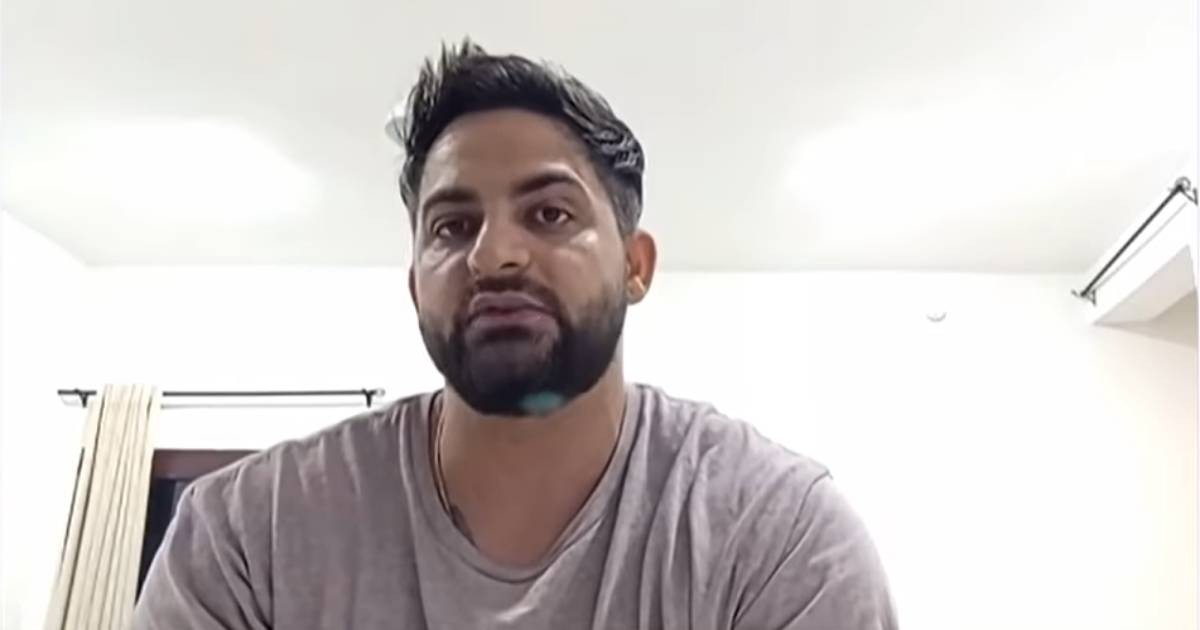
Arístides Fernández García, a 37-year-old Cuban man, finds himself stranded in the Central African Republic after being deported from the United States. Stuck in Bangui without proper documentation, he faces restrictions on his movement and remains uncertain about his immigration status.
"It's like being kidnapped. I still have nothing," Fernández García stated in a revealing interview with Noticias Telemundo on August 20.
His arrival in Bangui in early August was part of a deportation operation conducted by the Trump administration, involving migrants from various countries including Cuba, Ecuador, Turkey, and Afghanistan, as reported by El País.
Fernández García had resided in the United States for five years, awaiting a decision on his asylum application. With a valid work permit until 2030, he was in the process of establishing a freight transport business.
Despite his efforts, he was apprehended following an immigration hearing in Miami. He claims to have spent seven months in immigration detention and maintains that he has no criminal record in the U.S.
Before being sent to Africa, Fernández García experienced nine transfers between detention centers. He was unaware of his final destination until he was on the plane.
"They told me it was for reunification. I thought it was a joke," he recollected.
Uncertain Future in Bangui
In Bangui, Fernández García and other Latin Americans are housed in a building they cannot freely leave. They have been warned that venturing outside could lead to arrest.
The United Nations provides them with three meals a day, but, according to Fernández García, has not been able to resolve their situation.
"They're the UN, but the agreement was made between Donald Trump and this country, and they don't know what to do with us," he explained.
The group has resorted to sharing a single phone to contact their families, enduring almost three days without communication.
One option presented to them is to sign papers agreeing to return to their home countries, a choice Fernández García opposes in the case of Cuba.
"Cuba doesn't accept us. I don't want to go back to Cuba either because I left... how can I go back?" he expressed.
Although he did not elaborate on why Cuba will not take him back, he mentioned that he left the island after facing repercussions for being the son of a political prisoner, which denied him access to the university education he desired.
His primary concern now is the ambiguity surrounding his legal status.
"I'm not registered in this country, nor do they acknowledge my removal from the United States. Am I still recognized in the U.S.? What is my current status?" he pondered.
This incident comes on the heels of another case involving a Cuban deported to Liberia who ended up detained in Equatorial Guinea after being turned away by Liberian authorities.
"I'm in an unsafe country, away from my family, dealing with mental turmoil that blurs the line between reality and illusion," Fernández García summarized. "They strip you of all your rights, they take away your humanity."
Understanding the Complexities of Forced Deportations
Why was Arístides Fernández García deported to the Central African Republic?
Arístides Fernández García was deported to the Central African Republic as part of a deportation operation under the Trump administration, which included migrants from various countries.
What are the living conditions for Fernández García in Bangui?
In Bangui, Fernández García lives in confinement with other deportees, unable to leave the building freely and relying on the United Nations for meals. Their legal status and future remain uncertain.
Why doesn't Fernández García want to return to Cuba?
Fernández García does not wish to return to Cuba because he faced persecution there due to his father's political prisoner status, which also hindered his educational opportunities.