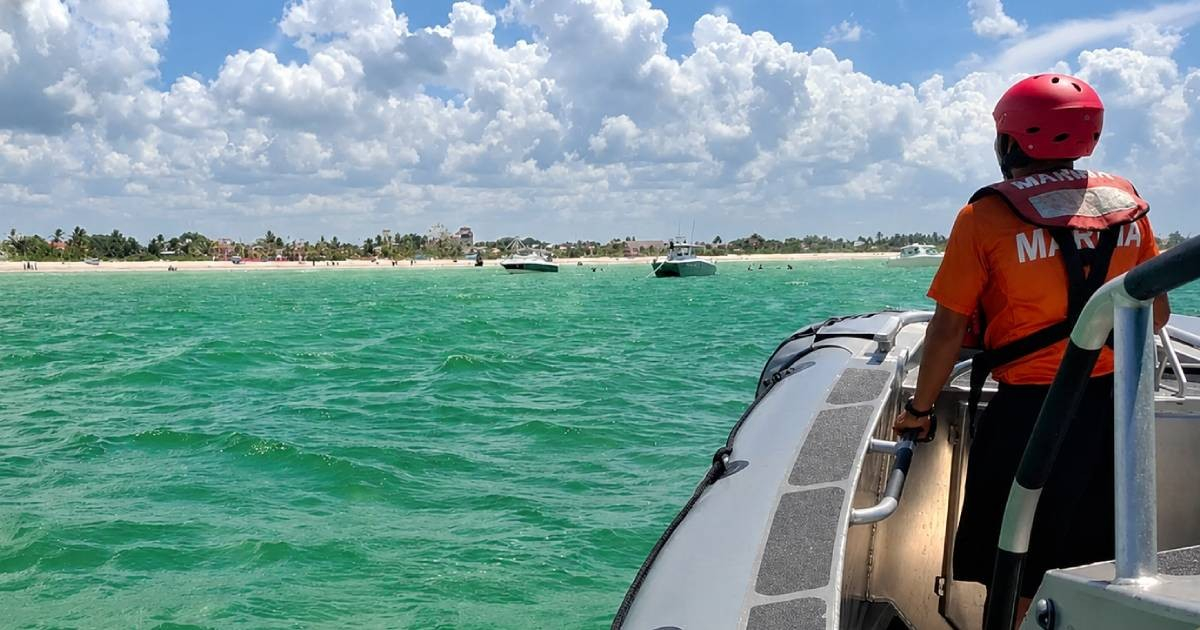
The Mexican Navy, known as SEMAR, successfully located a vessel carrying 19 Cuban migrants, including seven minors, who had vanished since August 11th after departing from Pinar del Río towards Mexican shores.
A source from the Mexican Navy confirmed to AFP, as reported by Martí Noticias, "The Cubans have been recovered. They are on their way to Naval Command."
The discovery ends a harrowing period of uncertainty for families who were desperately seeking information amid fears that those on board were stranded without food or fuel.
The group was found near the jurisdiction of the Ninth Naval Zone, based in Yucatán, after the Navy launched a search operation for the missing boat.
Efforts to Locate the Missing Boat
This Thursday, SEMAR dispatched a Defender-type vessel, commonly used in search and rescue missions, as part of efforts to locate the migrants.
The journey began on August 11th from Cuyo, Pinar del Río, with 12 adults and seven children aboard. Families lost contact shortly after the voyage commenced.
Reports received by families indicated a dire situation: mechanical failures, loss of fuel, and an attempt to continue by sail. Yunaidy Martínez Ramírez, residing in Cancun, had her husband and three young children among the missing.
"My entire family is on that boat. It was in good condition, but then the engine failed and they ran out of gas halfway through," Martínez told Martí Noticias, anxiously awaiting news about her loved ones.
A Week of Anxiety Comes to an End
Among the seven minors were twins Leosdel and Leosniel, just two years old, traveling with their mother, Yusimy Garrobo Leiva, 35. The children's father, Leobel, who had been working in construction in Mexico for nearly a year, hoped to reunite with his family. He shared with Univision that he was aware of the mechanical issues and fuel problems before losing contact with the boat.
After more than a week of tension, the discovery turned the waiting into relief for multiple families anxiously awaiting any word from the sea.
Back on August 17th, the Guard of Permanence of the Fifth Naval Region, stationed in Isla Mujeres, confirmed that their naval search and rescue stations had been notified of the disappearance.
"Naval search and rescue stations have been alerted," an officer stated, indicating efforts to gather more information about the case.
Maritime Journeys: A Persistent Danger
The recovery of the 19 individuals comes just days after another tragic event involving irregular departures from western Cuba. On August 14th, two youths drowned in the waters off Pinar del Río following the sinking of another vessel in the Sandino municipality.
The Mexican Navy has been involved in multiple operations concerning Cuban migrants in the Caribbean this year. In February, seven rafters were rescued near Banco Chinchorro, and weeks later, the search was undertaken for eight more missing individuals in that area.
Sea routes to Mexico remain among the most perilous paths taken by Cubans seeking to leave the island. Apart from the inherent risks of navigating precarious boats, travelers face mechanical breakdowns, fuel shortages, adverse weather, and the potential of drifting for days without adequate supplies.
These risky departures occur amidst a severe economic and energy crisis in Cuba, characterized by extended blackouts, food and medicine shortages, and a continual decline in living conditions.
An analysis by elTOQUE in April 2026 pegged the Cuban Migratory Risk Index at 0.80, categorizing it as "extreme" and marking the highest level recorded by that measure.
For the families of these 19 Cubans, the most crucial news came this Thursday after nine days of distress: the boat was found, and its occupants were rescued by the Mexican Navy.
Understanding the Risks of Cuban Maritime Migration
What challenges do Cuban migrants face during sea journeys?
Cuban migrants often face mechanical failures, fuel shortages, adverse weather, and the risk of drifting for days without adequate food or water, all of which make these sea journeys extremely dangerous.
Why are Cubans taking such risky journeys?
Many Cubans embark on these perilous journeys due to a severe economic and energy crisis in Cuba, marked by prolonged blackouts, and shortages of food and medicine, leading to a continual decline in living conditions.