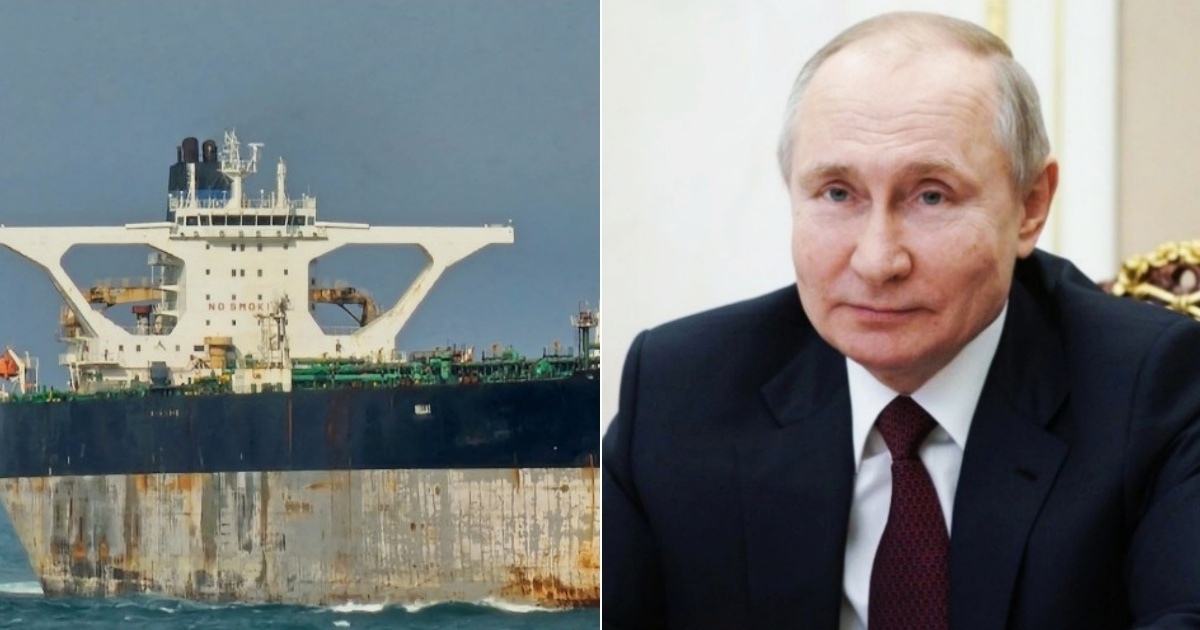
This past Wednesday, the Russian Ministry of Foreign Affairs confirmed that Cuba is among the ten nations receiving humanitarian aid from Moscow since the beginning of 2026. This development comes as the island nation grapples with severe challenges, including power outages, shortages of fuel, food, and medicine.
The announcement was made in an official statement issued in recognition of World Humanitarian Day. The statement, signed by Kirill Logvinov, head of the Department of International Organizations at the Russian Foreign Ministry, was shared on Telegram.
"Since early 2026, Russia has provided humanitarian aid to Burkina Faso, Venezuela, Iran, Kyrgyzstan, Laos, Lebanon, Mali, Palestine, Tajikistan, and Cuba," the statement revealed, appearing on the ministry's official channels on Telegram and X.
Significant Aid Deliveries to Cuba
While the Russian Foreign Ministry did not disclose the specific amounts or nature of aid allocated to each country, recent shipments to Cuba highlight the increasing significance of Russian support amid the island's deteriorating economic and energy conditions.
The most substantial delivery to date was made by the tanker Anatoly Kolodkin, which arrived at the port of Matanzas on March 31 with about 100,000 metric tons of Ural crude oil. Moscow officially classified this shipment as humanitarian aid, recognizing Cuba's acute fuel shortages and inadequate power generation during a severe energy crisis.
The political significance of this operation was underscored when Russian President Vladimir Putin officially commended the crew of the Anatoly Kolodkin in August for their "high professionalism" during the humanitarian mission that delivered Russian oil to Cuba.
Beyond Oil: Additional Russian Assistance
In April, Saint Petersburg donated 35 types of medications to help alleviate the critical shortages faced by Cuban pharmacies and healthcare facilities. The shipment included essential drugs such as paracetamol, omeprazole, sodium heparin, and ibuprofen.
On Tuesday, a day before the Russian foreign ministry's statement, a delegation from the Russian Civic Chamber presented another donation to the Cuban Institute of Friendship with the Peoples (ICAP) in Havana. This aid package included food, flashlights, USB drives, and first-aid kits.
These contributions are supplemented by financial support facilitated through international organizations. In July, Moscow announced at the United Nations a $2 million contribution to the World Food Program (WFP) to fund humanitarian projects in Cuba throughout 2026. According to Russian authorities, their contributions to these programs on the island have totaled $20 million since 2018.
Humanitarian Aid Amidst Crisis
The assistance arrives at a particularly critical moment for the Cuban population. The National Electric System's deterioration has led to power generation deficits ranging from 1,900 to 2,100 MW, with some provinces experiencing nearly 24-hour blackouts.
Compounding the crisis are frequent electrical system failures, fuel shortages that have curtailed transportation and other activities, and persistent difficulties accessing food and medicine. In this context, the shipments from Russia underscore the Cuban government's reliance on support from allies to meet basic needs and sustain strategic sectors affected by the crisis.
Moscow's Political Message Through Aid
Russia has also used the observance of World Humanitarian Day to accompany its donations with a political message against the use of sanctions and other forms of international pressure. Logvinov stated that Moscow "opposes the attempts by the global minority to turn humanitarian assistance into an instrument of political pressure and interference in the internal affairs of sovereign states."
Although the official did not directly mention the United States, the statement aligns with Moscow's stance against U.S. sanctions on Cuba and other Russian allies. Thus, humanitarian aid becomes not only a means of material support for Havana but also an element in Moscow's diplomatic dispute with Washington and other Western countries.
In June, Russia criticized the United Nations for not supporting an initiative to send aid ships to Cuba, once again linking the island's humanitarian situation with its objections to sanctions. As both governments strengthen their political, energy, and economic alliance, the series of donations paints a stark picture of Cuba's crisis: basic needs such as oil, medicine, and food are being met with Russian humanitarian aid, highlighting the island's inability to fulfill these needs independently.
Key Questions About Russia's Aid to Cuba
What types of aid has Russia provided to Cuba in 2026?
Russia has sent a significant shipment of Ural crude oil, various medications, and other supplies like food, flashlights, USB drives, and first-aid kits to Cuba as part of its humanitarian aid in 2026.
How has the Cuban government responded to Russia's humanitarian aid?
The Cuban government has relied heavily on Russia's support to address the island's severe shortages and sustain critical sectors amid an ongoing crisis, highlighting a dependency on its allies.
What is the political significance of Russia's aid to Cuba?
Russia's aid serves not only as material support but also as part of a diplomatic stance against international sanctions, positioning itself against what it sees as political pressure tactics from other countries, particularly the United States.