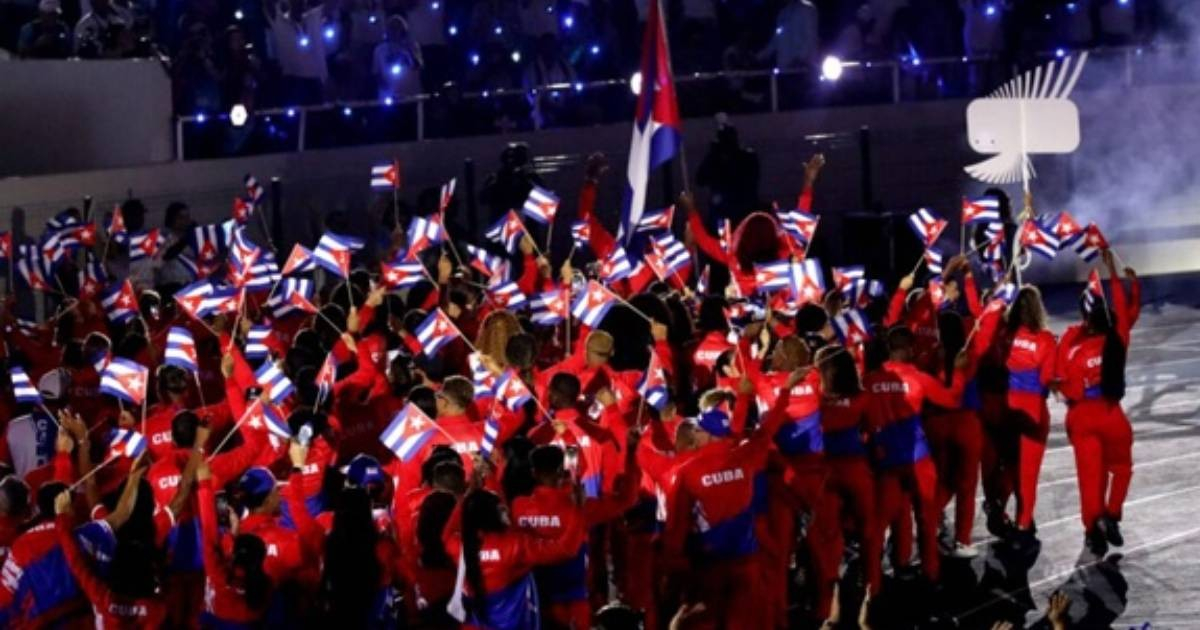
Two out of the five Cuban athletes who defected from the official delegation during the Central American and Caribbean Games Santo Domingo 2026 have embarked on the journey to regularize their immigration status in the Dominican Republic. Meanwhile, the other three athletes remain in the country, awaiting the start of their own processes.
An investigation by Diario Libre revealed on Wednesday that these two athletes have already registered with the National Office for Refugees (CONARE). This step marks the beginning of their quest for protection and a legal status that will allow them to stay in Dominican territory.
Challenges for Remaining Athletes
The other athletes might face a more complicated path due to a practice reportedly employed by Cuban authorities during the competition: confiscating the passports of delegation members after Dominican Migration granted them entry into the country.
This tactic leaves those who choose to defect particularly vulnerable, as they must navigate their new lives away from Cuba while resolving their immigration status without having their primary identity and travel document.
Support From Cuban Community in Dominican Republic
José Alberto Fernández, president of the Cuban Association in the Dominican Republic, confirmed he has been in contact with two of the athletes, offering legal advice and logistical support. For safety reasons, he opted not to disclose their identities.
Having lived in the Dominican Republic for 20 years and assisted numerous Cubans with immigration processes, Fernández noted he is not surprised by reports of surveillance over the Cuban delegation. "Without such control, the number of athletes and technical staff defecting could have been much higher," he remarked.
Identities of the Defecting Athletes
The five athletes who opted to stay behind have been identified. The first to defect was Moisés David Torres Puig, a field hockey goalkeeper, who left the delegation on July 24, the opening day of the games.
Four days later, rower Leah Daniella Almeida followed suit, succeeded by Yasmina Evelio Álvarez Peraza from the softball team. The last to leave were fencers Hershey Daniela de la Cruz and Adán Isbel Núñez Pina, who decided to remain in Santo Domingo after their competitive events concluded on August 12.
As they embark on a new phase away from the games, these athletes are determined to resume their sports careers. However, their immediate focus is securing a legal status in the Dominican Republic and finding employment. The lack of documentation poses a significant challenge.
Diplomatic Tensions and Surveillance Allegations
The defection has sparked an unusual diplomatic crisis between the Dominican Republic and Cuba. On August 13, the Dominican government expelled nine members of the Cuban mission and their families, totaling 21 individuals, under Article 9 of the Vienna Convention. Havana disputed this, claiming ten officials were involved, not nine.
Media reports link the Dominican action to Cuban intelligence activities aimed at tracking down the defecting athletes. Diario Libre further reported that Dominican security detected Cuban agents infiltrating the games' facilities, some even donning uniforms of other delegations. The organizing committee stated it had not received official information regarding these incidents.
Continuing Trend of Athlete Defections
The defections in Santo Domingo are part of a wider trend impacting Cuban sports in 2026. In July, nine out of twelve members of the Cuban canoeing team defected during training in Montreal, Canada, marking the largest defection in that discipline. Four of those athletes were slated to compete in the Santo Domingo games.
Defections during international competitions and training camps have become one of the most prominent aspects of the Cuban exodus in recent years. For the five athletes who chose to remain in the Dominican Republic, the competition is over. Their new challenge is obtaining documentation, finding jobs, and rebuilding their lives outside the Cuban sports system, all while keeping the door open to future competition.
FAQs on Cuban Athletes Defecting in Santo Domingo
Why did the Cuban athletes defect in Santo Domingo?
The athletes likely defected seeking better opportunities and freedom, as well as to escape the control and limitations imposed by the Cuban government on their careers and personal lives.
What are the implications of the defections for Cuba and the Dominican Republic?
The defections have led to a diplomatic spat between the two countries, with the Dominican Republic expelling Cuban officials, and have highlighted ongoing issues of surveillance and control within Cuban sports delegations.
How are the defecting athletes supported in the Dominican Republic?
The athletes are receiving legal and logistical support from the Cuban community in the Dominican Republic, specifically through the Cuban Association, which helps them navigate the immigration process and adjust to their new environment.