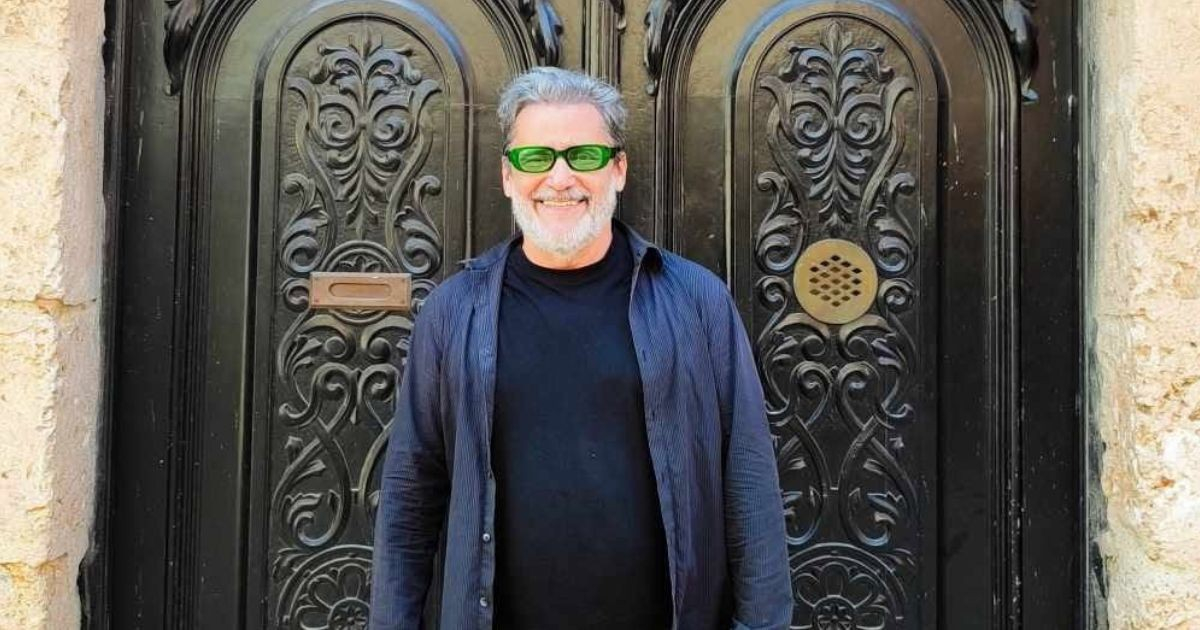
This Tuesday, Cuban professor and historian Julio César González Pagés declared that those who remain in Cuba, amidst the country's overwhelming hardships, must find new ways to persevere. "Reinvention is our only choice," he stated.
González Pagés shared his insights on Facebook, portraying the Cuban population as caught between "two unyielding ideological narratives." He emphasized that Cubans exist in a "daily survival limbo that seems to matter only to us."
The historian criticized the conflicting stances both inside and outside the island, questioning the online attacks and discrediting comments that dictate what Cubans should do. "The hate and discredit from both sides, along with people profiting from social media outbursts, directing us 'survivors' on what to do, is truly nauseating," he expressed.
González also challenged the moral authority of some of these voices, noting that, apart from "a few accidental outbursts," they rarely protested publicly while in Cuba.
He further referenced artist, dissident, and former political prisoner Luis Manuel Otero Alcántara, who left Cuba in July after five years in prison and arrived in the United States. González remarked that the "before and after of Otero Alcántara's reception" unveils the power filters determining one's eligibility, and he compared certain opposition behaviors to "some activists on this side of the pond."
Exclusion from Cultural Spaces
The historian also lamented his exclusion from cultural events in Cuba, specifically mentioning the Book Fair. "Another Book Fair ended where I wasn't invited due to opinions like these that make me ineligible. It's been years since I've been invited," he lamented, highlighting another instance of censorship in Cuba.
His criticism extended further. According to González, some avoid him, while others openly admit their organizations prohibit them from even liking his posts. "They maintain extreme vigilance despite lacking electricity, water, food, and medicine," he noted.
Survival Amidst Political Tensions
For González, these shortages overshadow political and ideological disputes. He recounted waking up to his neighbors' complaints, reminding him of the priority for those on the island: "to survive one more day."
He sarcastically referred to what he called "Cuban diva disputes over democracy and homeland" and ended that part of his reflection with uncertainty: "Maybe next year, something good will happen."
Accompanying his post was an image depicting medieval Ireland's "flatulists," whom he described as minor artists alongside jugglers, jesters, acrobats, and storytellers, performing at gatherings and part of subordinate professions known as "fodána."
Criticism of the System's Privileges
González's recent statements continue his critical stance expressed over the past months on social media. In early August, he challenged the official "creative resistance" narrative, doubting those who advocate for resistance without experiencing prolonged blackouts, water and food shortages, or untreated illnesses.
He also affirmed then that he has no plans to leave Cuba, thus remaining with those on the island. The previous month, González criticized the privileges surrounding Raúl Guillermo Rodríguez Castro, "El Cangrejo," contrasting them with the harsh reality of Cubans lacking essential resources.
A few weeks prior, he had criticized Cuban emigrants in Spain who label those still in Cuba as cowards, pointing out that some critics enjoyed privileges under the Cuban system for years before speaking out.
Understanding the Challenges and Criticisms in Cuba
What are the main hardships faced by Cubans according to González Pagés?
González Pagés highlights daily survival challenges such as lack of electricity, water, food, and medicine as the primary hardships faced by Cubans.
How does González Pagés view the ideological conflicts in Cuba?
He perceives Cubans as trapped between inflexible ideological narratives, with criticism directed at both sides for their attacks and online behavior.
What stance does González Pagés take regarding Cuban emigrants' criticisms?
He criticizes Cuban emigrants who call those remaining in Cuba cowards, noting that some enjoyed system privileges before criticizing from abroad.