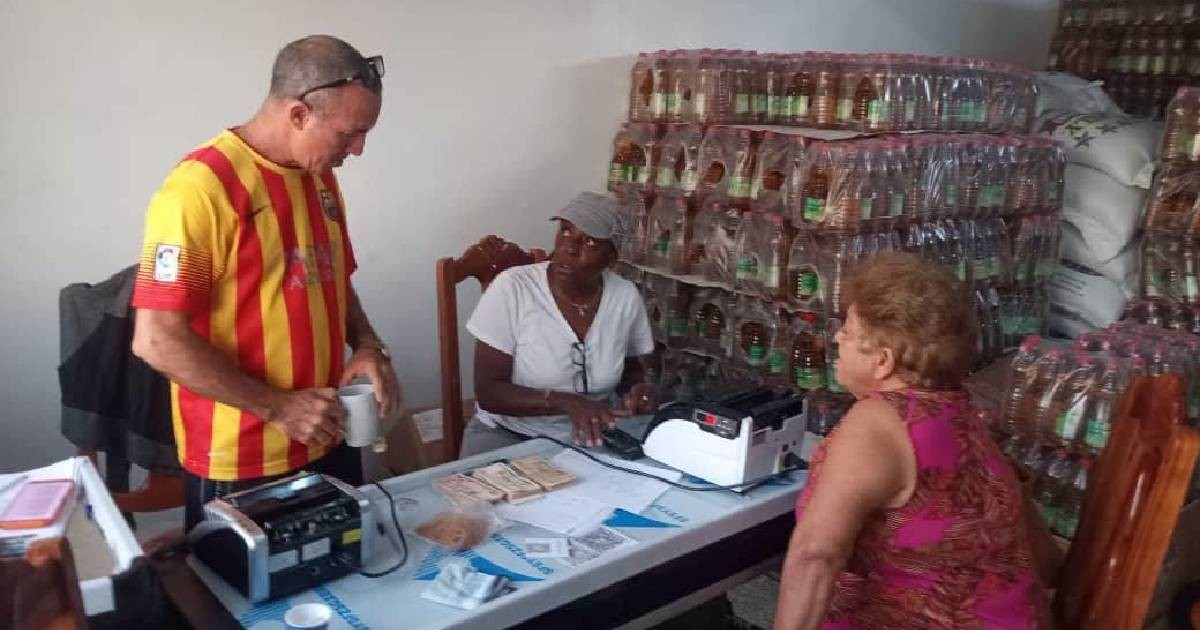
In Las Tunas, a self-employed vendor has sparked controversy by selling vegetable oil for 2,250 pesos per bottle on Calle 13 de Octubre, located between Joaquín Agüero and Colón in the city's heart. According to local media Tiempo21Cuba, this sale is not considered speculative, following the removal of price caps.
Despite this claim, the announcement generated a storm of criticism, questioning whether such pricing is feasible for the average Cuban citizen.
Public Response and Justification
The seller defended the pricing through a cost sheet that includes a profit margin of up to 30% over the final cost displayed to consumers. Tiempo21Cuba labeled this seller as "the first economic actor to market this product after the removal of price caps, doing so without speculative intent," and encouraged others to follow suit.
However, the public’s reaction on social media was far from supportive. Comments like "2,250 pesos seems speculative for a bottle of oil, what a disgrace. It’s still a sharp increase since the capped price was at most 900 pesos," reflect widespread disapproval. Another user simply asked, "2,250, who can afford it?"
Financial Strain on Cuban Households
The discontent is grounded in economic reality. In Cuba, the minimum pension is approximately 1,528 pesos monthly, while the minimum wage in the state sector is about 3,210 pesos. For a retiree receiving the lowest pension, buying even one liter of oil each month is a financial stretch.
One commenter lamented, "With my father’s pension, after working for a state company his entire life, he can only buy one bottle of that oil and maybe an egg, nothing more."
Policy Changes and Their Impact
The situation stems from the Ministry of Finance and Prices' Resolution 150/2026, issued on June 20, which lifted retail caps on imported cooking oils, chicken parts, powdered milk, pasta, and sausages. Before this deregulation, the maximum price for oil was 990 pesos per liter.
This decision led to uncontrolled price hikes nationwide: oil reached 2,500 pesos in Havana by late July, exceeded 3,000 pesos in some markets by early August, and hit up to 7,000 pesos in extreme cases. In Las Tunas, informal market prices ranged from 4,000 to 7,000 pesos per liter.
Local Government Actions
In response to the chaos, several provinces imposed their own price limits: Guantánamo set a 2,200-peso cap, Holguín intervened in the market, Matanzas set a 2,500-peso limit, and Pinar del Río capped prices at 2,150 pesos.
Las Tunas, however, did not establish an official cap. Local authorities carried out over 4,000 inspections, identified 24 individuals for price gouging, and issued more than 2,000 fines without setting a maximum price.
Additional Issues and Economic Reality
Critics also noted other challenges: the oil is sold in bulk, which raises the total expenditure and enables reselling, and the long lines formed were significant yet unshown in the published images. One user sarcastically remarked, "They didn’t show the most telling part: the line, to display the order, discipline, and education of the people."
Cuban economists estimate that a person needs around 96,060 pesos monthly to meet basic needs, making any debate about whether 2,250 pesos for a bottle of oil is speculative seem moot.
Understanding the Economic Impact of Price Deregulation in Cuba
Why did the price of oil increase so dramatically in Cuba?
The dramatic increase in oil prices in Cuba followed the Ministry of Finance and Prices' decision to remove retail price caps on imported cooking oils, leading to uncontrolled price hikes across the country.
What actions are local governments taking to control oil prices?
Some provinces, like Guantánamo and Matanzas, have imposed their own price caps, while others, such as Las Tunas, have not set any official limits but have conducted inspections and issued fines for price gouging.