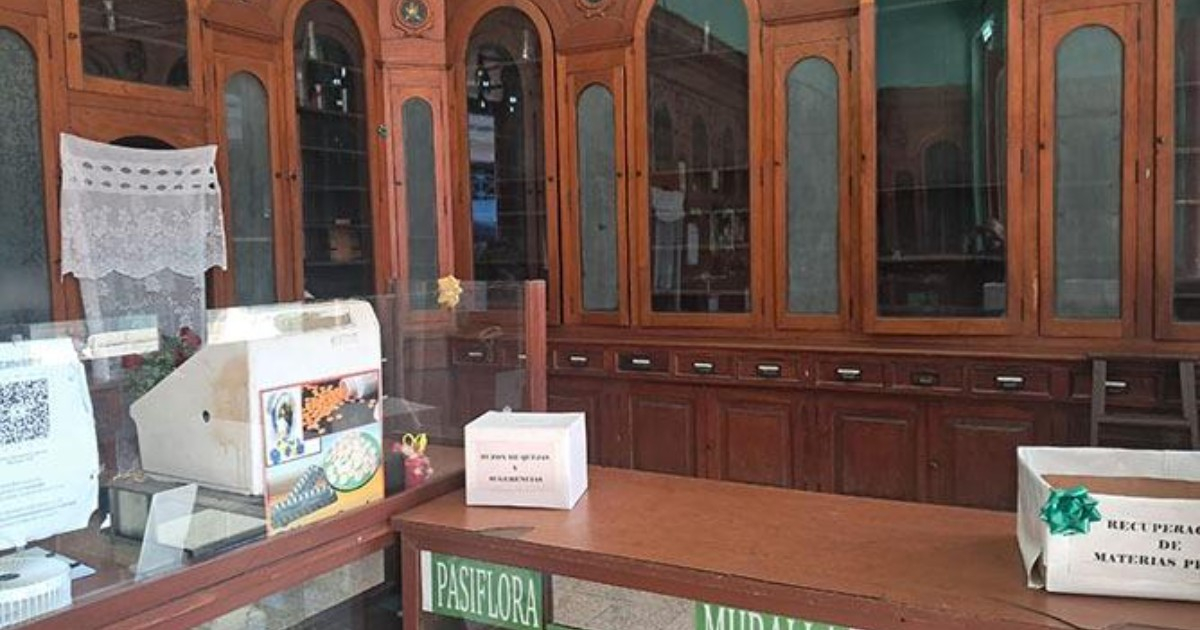
The medication crisis in Ciego de Ávila has reached alarming levels, with healthcare services operating steadily with just about 60 drugs, representing a mere 10% of the national essential medicines list. Meanwhile, a staggering 457 medications remain inaccessible in the province's warehouses.
Earlier this month, the official publication Granma acknowledged these figures, noting that the essential medicines list comprises 603 drugs. Among them, 306 face shortages, and another 151 cannot be distributed due to logistical issues and a lack of fuel.
This dire situation affects over three-quarters of the essential medicines list, forcing the provincial healthcare system to prioritize the limited stock, tighten inventory controls, and substitute treatments when possible.
Critical shortages include essential medications like antibiotics, antihypertensives, sedatives, anticonvulsants, and heart medications, upon which patients with acute and chronic conditions rely.
Impact on Controlled Medication Supplies
The scenario is equally severe for controlled medications. Of the 84 drugs in this category, intended for some of the most sensitive therapies, 47 are unavailable, and others arrive in quantities insufficient to meet demand.
María Fernández Martínez, the general director of the Provincial Company of Pharmacies and Optics in Ciego de Ávila, stated that the Cuban medical-pharmaceutical industry has production capacity but cited the lack of raw materials and packaging supplies as the main hurdles to completing production.
“Without these inputs, not even the most capable factory can complete the cycle,” the official declared.
The official narrative once again blamed the U.S. embargo as a primary cause of the shortages. However, the same report acknowledges that an additional 151 medications fail to reach warehouses due to internal logistical and fuel limitations, compounding the production and supply deficits.
The situation in Ciego de Ávila is even more dire than the already critical national scenario. Miguel Díaz-Canel admitted this month that only 30% of essential medicines are available in Cuba, meaning seven out of ten essential drugs are missing.
Private Pharmacies Emerge Amid Shortages
Meanwhile, the scarcity in the state-run network coincides with the recent approval of private pharmacies in Cuba, where some medications scarce in the public system are now available at exorbitant prices.
In a Havana establishment, for example, children's cephalexin was being sold for 2,000 CUP, while other syrups, vitamins, and pharmaceutical products were priced between 1,000 and 3,000 CUP.
Frequently Asked Questions on Medication Shortages in Ciego de Ávila
What percentage of essential medications are available in Ciego de Ávila?
Only about 10% of essential medications are currently available in Ciego de Ávila.
What are the main challenges in addressing the medication shortages?
The primary challenges include a lack of raw materials, packaging supplies, logistical issues, and fuel shortages.
How does the medication shortage impact patients?
Patients with acute and chronic conditions are particularly affected, as shortages include critical drugs such as antibiotics, antihypertensives, sedatives, anticonvulsants, and heart medications.