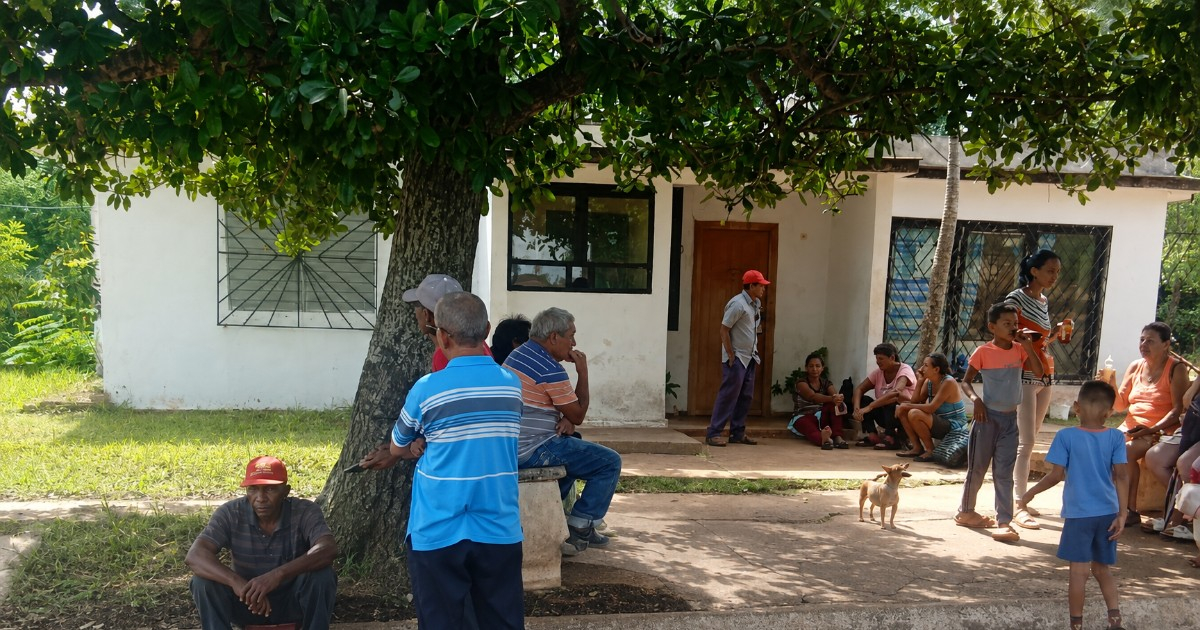
The branch of the Bank Popular of Savings (BPA) in Sierra de Cubitas, a rural area in Camagüey province, has been shut for several days, leaving numerous elderly citizens unable to access their pensions. This issue was highlighted in a social media complaint on Tuesday.
Independent journalist Jose Luis Tan Estrada reports that the closure has severely impacted senior citizens, preventing them from withdrawing cash or receiving their pensions in an area with very limited banking infrastructure.
Challenges of Rural Banking in Sierra de Cubitas
Sierra de Cubitas is a remote and small municipality primarily dependent on agriculture, with minimal banking facilities available. For the elderly residents, the closure of any bank branch effectively cuts them off from the financial system, as there are no operational ATMs or digital alternatives accessible to the older rural population.
Wider Banking Crisis Across Cuba
This situation is part of a broader trend occurring throughout Cuba in 2026. In Camagüey, banks have been operating with severely reduced hours for months; since February, customer service is restricted to weekdays from 9:00 a.m. to 1:00 p.m.
These limitations, driven by the energy crisis, have already led to dire scenarios in the province. In April, elderly individuals were found sleeping outside a bank in Camagüey to secure a place in line for the next day's pension payments.
Nationwide Impact of Banking System Failures
The issue extends beyond Camagüey. In July, a BPA branch in Holguín closed at 3:00 p.m., leaving many seniors unpaid despite having power, cash, and connectivity. That same month, massive queues of retirees overwhelmed banks in Santiago de Cuba, while in Havana, there were reports of shoving and chaos as pensioners waited for service.
The collapse of Cuba's banking system in 2026 stems from a mix of structural problems: prolonged blackouts disrupting IT systems, chronic cash shortages affecting salary and pension payments, and the overload of the few branches able to operate.
Government's Limited Response to the Banking Crisis
In July, the official press acknowledged the failure of the transfer payment system, which the regime had promoted as a cash alternative.
The government has attempted to mitigate the crisis with limited measures: a pilot program to pay pensions in shopping malls and at home in four Havana municipalities, and appointing local businesses to manage pension payments in some areas. However, none of these initiatives have reached rural areas like Sierra de Cubitas or addressed the core issue.
Even the Central Bank of Cuba publicly admitted in July that retirees must wake up early to collect their pensions, highlighting the severity of a system that fails to provide real solutions to its most vulnerable citizens.
Understanding the Cuban Banking Crisis
Why are banks closing in rural areas like Sierra de Cubitas?
The closures are largely due to structural issues, including energy crises causing blackouts, cash shortages, and the inability of existing infrastructure to support the demand.
What measures has the Cuban government taken to address the banking crisis?
The government has implemented a pilot program for pension payments through shopping malls and home deliveries in certain areas, and has tasked local businesses with handling pension payments in some regions. However, these measures have not reached rural areas effectively.
How are the elderly affected by the bank closures in Cuba?
The elderly are particularly hard-hit as they are unable to access their pensions, with no viable alternatives like ATMs or digital banking available, especially in rural areas.