The administration of Isla de la Juventud has implemented new retail price caps on essential commodities such as chicken, rice, sugar, beans, oil, eggs, and powdered milk. This move aims to curb the escalating costs that are severely impacting Cuban consumers.
This announcement was made public on Monday via Radio Caribe, highlighting that the Municipal Administrative Council reached these pricing decisions in collaboration with small private businesses and self-employed workers.
Despite authorities framing this decision as a product of "dialogue and consensus" rather than "imposition," the specified prices are mandatory, and no retail outlet is permitted to sell above these limits. In other regions, those who flout this rule face penalties such as seizures, forced sales, and potential business closures.
The regulated prices stipulate that chicken is capped at 620 pesos per pound, a 340-gram package of sausages at 1,200 pesos, MDM ground meat at 550 pesos per pound, rice at 825 pesos per kilogram, sugar at 1,150 pesos, and black beans at 900 pesos per kilogram.
Additionally, 500 grams of spaghetti are priced at 360 pesos, 400 grams of tomato paste at 750 pesos, whole milk powder at 4,800 pesos per kilogram, and milk powder with 28% added fat at 3,900 pesos.
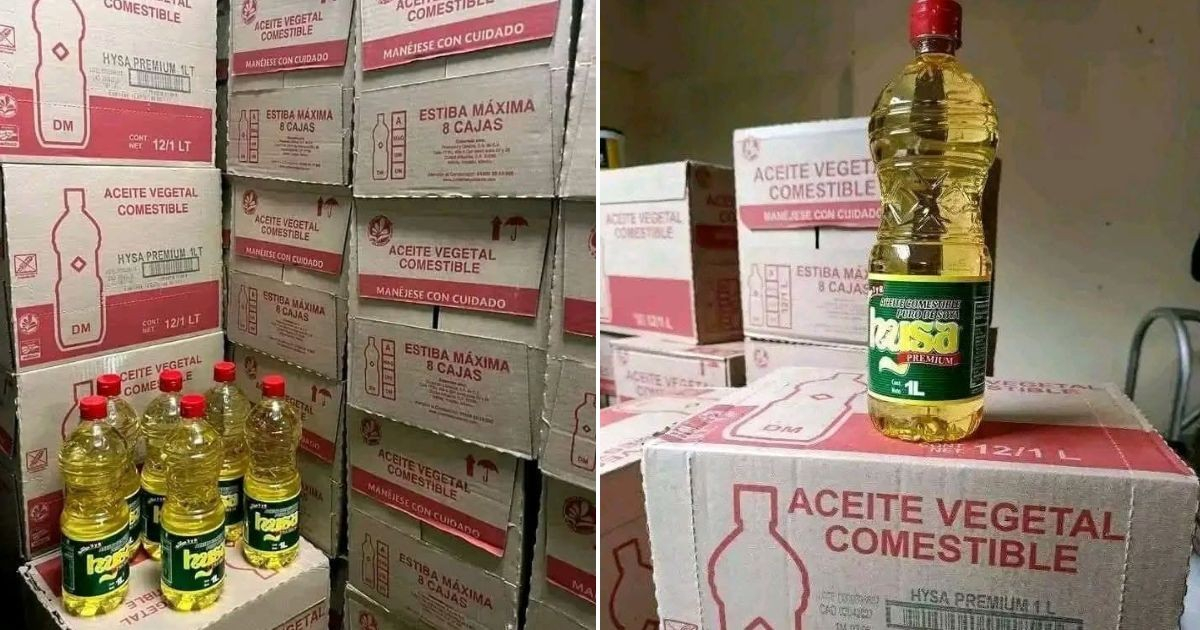
The price for a liter of oil is set at 2,300 pesos, washing soap is priced at 400 pesos, a 100-gram bar of bath soap at 350 pesos, powder detergent at 1,600 pesos per kilogram, and each egg at 110 pesos.
The official notice from the Municipal Administrative Council, outlined in Agreement 544, details these reference prices for the retail market.
Retail Price Controls and Economic Implications
Beyond setting price ceilings, the government has restricted the margin between wholesale and retail prices to a maximum of 30%. The lower value between this margin result and the established maximum price must be applied in all cases.
Authorities have also banned covert wholesale sales, requiring that bulk purchases be accompanied by invoices to justify costs.
Prices are subject to monthly reviews, considering factors such as fuel availability, maritime freight costs, currency availability, and other market variables.
The government has pledged to implement measures to reduce logistical delays at the port of Batabanó and the unloading process in Nueva Gerona, aiming to cut down the transportation and storage costs that inflate product prices in this island territory.
Public Response and Future Outlook
In Isla de la Juventud, officials have urged the public to report any potential violations to the Municipal Inspection, State Commerce, the government’s leadership office, or local delegates.
This decision comes shortly after the price of a chicken package skyrocketed from 3,130 pesos to over 7,000 pesos within days in Isla de la Juventud, following the removal of several national price caps.
This price surge occurred after the Ministry of Finance and Prices’ Resolution 150/2026 eliminated national limitations on items like cut chicken, edible oils, powdered milk, pasta, and sausages in June.
However, only weeks later, several local governments have reverted to imposing price controls, though they avoid the term "price caps," opting instead for "reference prices."
In early August, Villa Clara set maximum prices for essential foods, including 110 pesos per egg and 2,500 pesos per liter of oil. The following day, Matanzas also established reference values for products such as oil, eggs, chicken, rice, and beans, and limited the commercial margin between wholesalers and retailers to 30%.
This trend continued in Pinar del Río, where the municipal government set a maximum retail price for oil at 2,150 pesos.
The series of local measures indicates a return to price ceilings as a tool to combat inflation just weeks after the central government acknowledged the challenges of this policy and removed several national restrictions.
Understanding Cuba's Price Control Measures
What are the new price caps in Isla de la Juventud?
The new price caps include 620 pesos per pound for chicken, 825 pesos per kilogram for rice, and 2,300 pesos per liter of oil, among others.
How are these price limits enforced?
The prices set by the government are mandatory, and those who sell above these limits face penalties such as seizures, forced sales, and business closures.
Why did the price of chicken rise significantly in Isla de la Juventud recently?
The price increase followed the removal of national price caps by the Ministry of Finance and Prices, which led to a significant rise in costs for certain items.