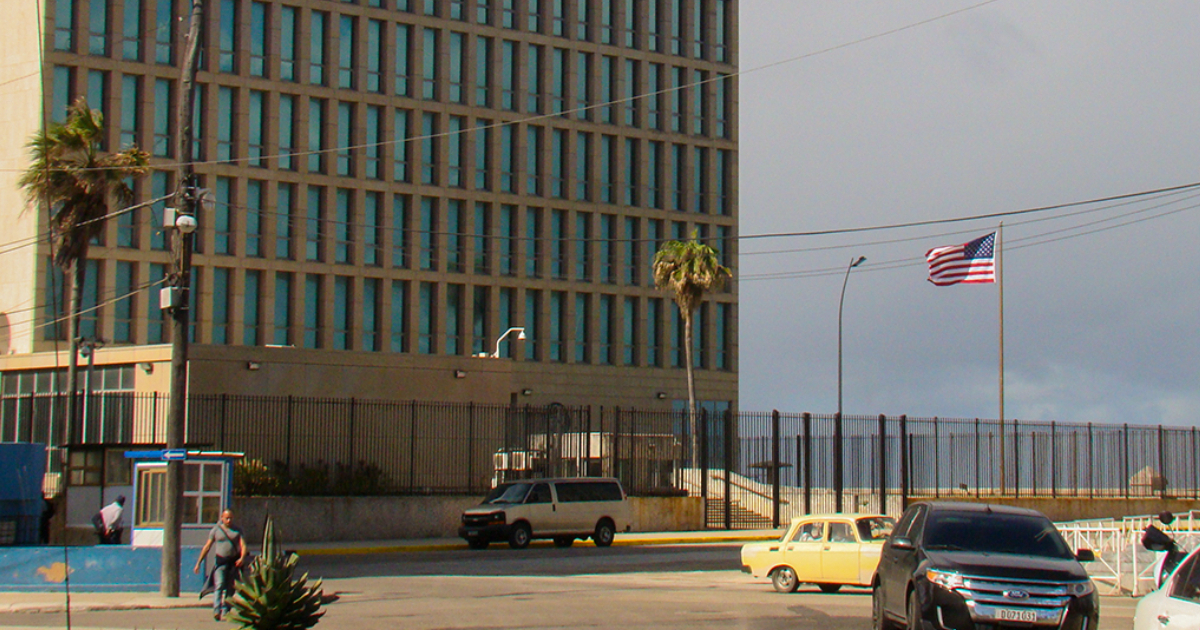
The U.S. Embassy in Havana has issued a weather alert for Cuba amidst the hurricane season, cautioning that the impact of hurricanes or tropical storms could further weaken the island's already fragile electrical grid, leading to additional power outages.
This warning was released by the embassy on Wednesday, reminding that the Atlantic hurricane season is active until November 30. Residents and travelers were strongly advised to prepare for potential emergencies in advance.
"Cuba's electrical grid is becoming increasingly unstable and is prone to power cuts nationwide," the Embassy stated, emphasizing that "hurricanes or tropical storms could significantly affect the grid," posing a threat of even more blackouts.
The alert references the forecast from the National Oceanic and Atmospheric Administration (NOAA), which initially predicted between eight and 14 named storms, three to six hurricanes, and one to three major hurricanes of category 3 or higher for the 2026 season.
However, an updated forecast released in August slightly lowered these expectations to between seven and 13 named storms, two to six hurricanes, and up to two major hurricanes. Despite this adjustment, the risk remains substantial.
U.S. meteorologists have stressed that just a single hurricane can cause severe destruction, and preparations should be made well before any immediate threat arises.
Heightened Monitoring of Tropical Systems
This alert is timely as a system in the tropical Atlantic is under close observation, with a high chance of development in the coming days. Although it is still too early to predict its exact path or potential impact on Cuba, forecasts suggest favorable conditions for the formation of a tropical depression later in the week.
Given this scenario, the Embassy urged vigilance regarding the evolution of tropical systems and advisories from the National Hurricane Center, as well as following guidance from local Civil Defense authorities.
The embassy also advised individuals to have a personal emergency plan that does not rely on U.S. government assistance, and to be prepared to shelter in place for at least 24 to 48 hours, or longer, in the event of a direct hit.
The alert warns that roads might become impassable due to debris post-hurricane, complicating access to airports and exit routes from affected areas.
Essential Preparations and Concerns
Recommended precautions include stocking up on bottled water, necessary medications, non-perishable food, a battery-powered radio, important documents—especially passports—flashlights, and spare batteries.
The worry over a cyclone's potential impact on the electricity supply coincides with a particularly critical time for Cuba's National Electric System (SEN). For instance, on Wednesday, Unit 2 of the Felton thermoelectric plant went offline due to a malfunction, while other generating units were out of operation for repairs or maintenance.
Finally, the Embassy suggested keeping family and friends informed about everyone's whereabouts, registering with the Smart Traveler Enrollment Program (STEP) for updates, and having essential documents and items ready for any sudden weather changes.
As hurricane season enters its peak months and Cuba's electrical system faces ongoing challenges, the U.S. alert underscores an additional risk: that a storm or hurricane could exacerbate the already frequent power outages affecting daily life on the island.
Understanding the Impacts of Hurricane Season on Cuba
How can hurricanes affect Cuba's electrical grid?
Hurricanes can severely damage infrastructure, including power lines and facilities, leading to widespread and prolonged electricity outages across the island.
What preparations are recommended for residents and travelers in Cuba during hurricane season?
It is advised to stock essential supplies like bottled water, medications, non-perishable food, and important documents. Having a personal emergency plan and staying informed through official advisories is crucial.
When is the Atlantic hurricane season active?
The Atlantic hurricane season is active from June 1 to November 30, with heightened activity often occurring in the months of August and September.