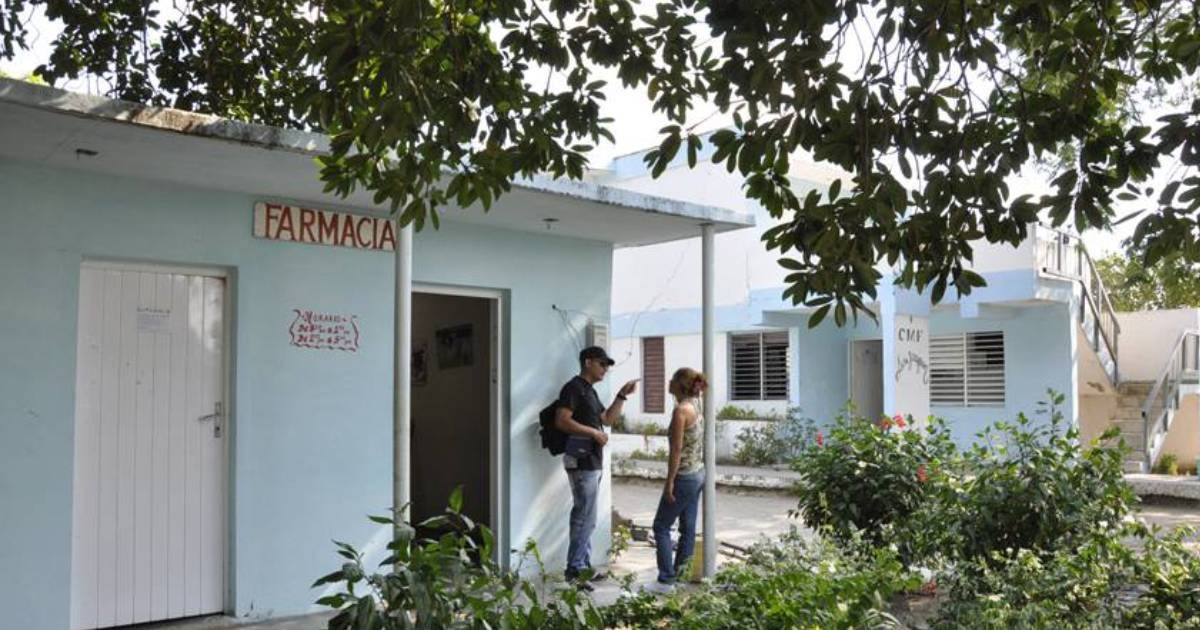
On Monday, Miguel Díaz-Canel provided figures that highlight a stark reality Cubans have been facing for years in pharmacies and hospitals: just a mere 30% of essential medications are available across the island.
This statistic reveals that a shocking seven out of ten essential drugs are missing, exacerbating a crisis where nearly 100,000 individuals are on surgical waiting lists and thousands of cancer patients are left without adequate treatments.
The numbers were disclosed by the Cuban leader at the International Colloquium "Fidel: Legacy and Future" held at Havana's Convention Palace. The event, organized to commemorate the centenary of dictator Fidel Castro, saw attendance from foreign delegates, as noted by the Cuban presidency.
Alarming Healthcare Shortages
In this political gathering, Díaz-Canel acknowledged the particularly dire state of the Cuban healthcare system.
However, the medication shortage is only one aspect of the wider issue. According to Díaz-Canel's own statistics, there are currently 98,500 patients awaiting surgery in Cuba, with about 12,000 of them being children.
The Cuban leader admitted that many of these surgeries could be performed locally, but are hampered by a lack of resources and ongoing energy issues affecting hospitals. "We lack the resources, and we lack the energy to power operating rooms," he stated.
Impact on Vulnerable Populations
The crisis extends to some of the most vulnerable groups. Approximately 34,000 pregnant women are not receiving necessary prenatal ultrasounds, while about 67,000 infants have not completed their immunization schedules, according to Díaz-Canel's data.
The situation is equally alarming for oncology patients. Around 117,000 adults and 1,200 children with cancer are without primary treatments. An additional 16,000 patients struggle to access radiotherapy, and 12,400 require chemotherapy.
Furthermore, services for around 3,000 patients undergoing hemodialysis are compromised.
These figures translate to suspended or delayed treatments, postponed diagnoses, and families forced to seek medical supplies both within and outside Cuba to address the deficiencies of the state-run healthcare system.
Rising Infant Mortality Rates
One of the most troubling admissions by Díaz-Canel was the worsening infant mortality rate, a statistic long touted by the Cuban government as a revolutionary achievement. The leader conceded that the rate has nearly doubled from the previously reported 4 to 5 per 1,000 live births to over 9.8, signifying preventable child deaths.
This acknowledgment is particularly significant, as it implies that some of these infant deaths could have been avoided.
The Root Causes of the Healthcare Crisis
The shortage of medications and hospital services is not a recent development. Over the past years, complaints from Cubans unable to find antibiotics, pain relievers, medicines for chronic illnesses, or supplies for medical procedures have become commonplace.
Social media has seen a surge in pleas for help to acquire everything from basic medications to disposable materials, medical equipment, or resources for cancer patients.
By the end of 2024, more than 460 drugs were missing from the essential list, and throughout 2026, provincial authorities have continued acknowledging deficits for hundreds of medications.
Despite the severity of the situation, Díaz-Canel once again pointed fingers at the United States, blaming the American embargo for much of the decline, describing it as a "genocidal precision attack." However, his remarks overlooked other contributing factors to Cuba's healthcare deterioration, such as lack of investment and maintenance, management issues, infrastructure decay, and the failure of the national industry to consistently supply the needed medications.
Díaz-Canel claimed that Cuba has the ability to manufacture some of these drugs, yet acknowledged they are not currently reaching patients.
Earlier this year, Cuba's Minister of Public Health, José Ángel Portal Miranda, declared the healthcare system to be "on the brink of collapse," while the World Health Organization (WHO) issued a warning about the island's health conditions in March.
Understanding Cuba's Health Crisis
What percentage of essential medications are currently available in Cuba?
Only 30% of essential medications are currently available in Cuba, leaving a significant shortage.
How many people are waiting for surgeries in Cuba?
Approximately 98,500 patients are currently on waiting lists for surgeries in Cuba.
What is the current infant mortality rate in Cuba?
The infant mortality rate in Cuba has risen to over 9.8 per 1,000 live births, nearly doubling the previous rates.
Who does Díaz-Canel blame for the healthcare crisis?
Díaz-Canel attributes much of the healthcare crisis to the U.S. embargo, which he describes as a "genocidal precision attack."