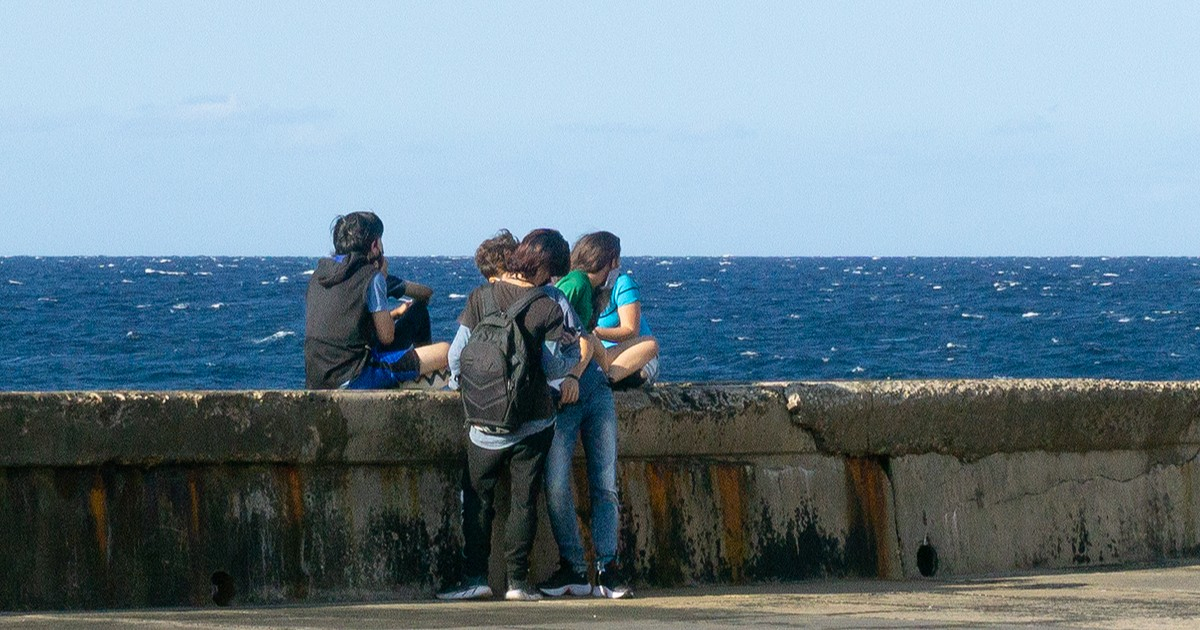
The ongoing crisis in Cuba has left millions grappling with a singular concern: how to make it through each day.
Beyond the visible struggles of food shortages and power outages, a deeper, less visible issue is taking its toll: the inability to plan for a life beyond mere survival, as highlighted in a report by AFP.
Claudia Sifredo, a 29-year-old pedagogy student, has indefinitely postponed her plans to move out of her parents' home. She sums up her situation by stating, "The future is uncertain for me."
Describing her life as "chaotic," Claudia admits to being overwhelmed by stress and uncertainty, struggling to manage daily life. She relies on therapy to focus on what she can control, amidst an environment that is largely beyond her influence.
Leandro Wanton, a former tour guide now unemployed, reveals how accumulated frustration hits him hardest at the most challenging times. His words reflect how daily instability pushes emotional boundaries.
Roberto Ronda, a 49-year-old chef, is trying to maintain a small food business with his partner in Old Havana. He states, "There is no peace, no rest." For him, "mental health is deteriorating," and he sees no solution "without a radical change" in the country.
The Mental Health Crisis in Cuba
These personal stories are part of a documented trend of declining mental health in Cuba.
Tania Peón, director of Mental Health in Havana, warns that much of the population lives in a constant state of "alert." She notes a rise in suicidal behavior among adolescents in the capital during the first half of 2026.
Data supports this concern. A study in Social Science & Medicine found "extremely severe" depression in 55.4% of surveyed Cuban adults, severe anxiety in 66%, and extreme stress in 65.8%.
There's a direct link between the duration of power outages and the deterioration of psychological well-being. Sociologist Elaine Acosta describes this as a "mental health epidemic" fueled by economic hardship, food scarcity, and limited access to psychiatric care.
By August 2025, an increase in suicidal behavior among teenagers in Holguín was reported, linked to social deterioration and migration. A year later, the director of Mental Health in Havana confirms that this trend has not been reversed.
The Impact of Cuba's Crisis on Mental Health
What are the main factors contributing to the mental health crisis in Cuba?
The mental health crisis in Cuba is driven by economic instability, food shortages, extended power outages, and limited access to psychiatric services.
How has the mental health crisis been documented in Cuba?
The crisis has been documented through studies like the one published in Social Science & Medicine, which reported severe levels of depression, anxiety, and stress among Cuban adults.
What measures are being taken to address the mental health issues in Cuba?
There are limited initiatives focused on mental health, with some individuals seeking therapy to manage stress and uncertainty, but systemic changes are needed for broader impact.