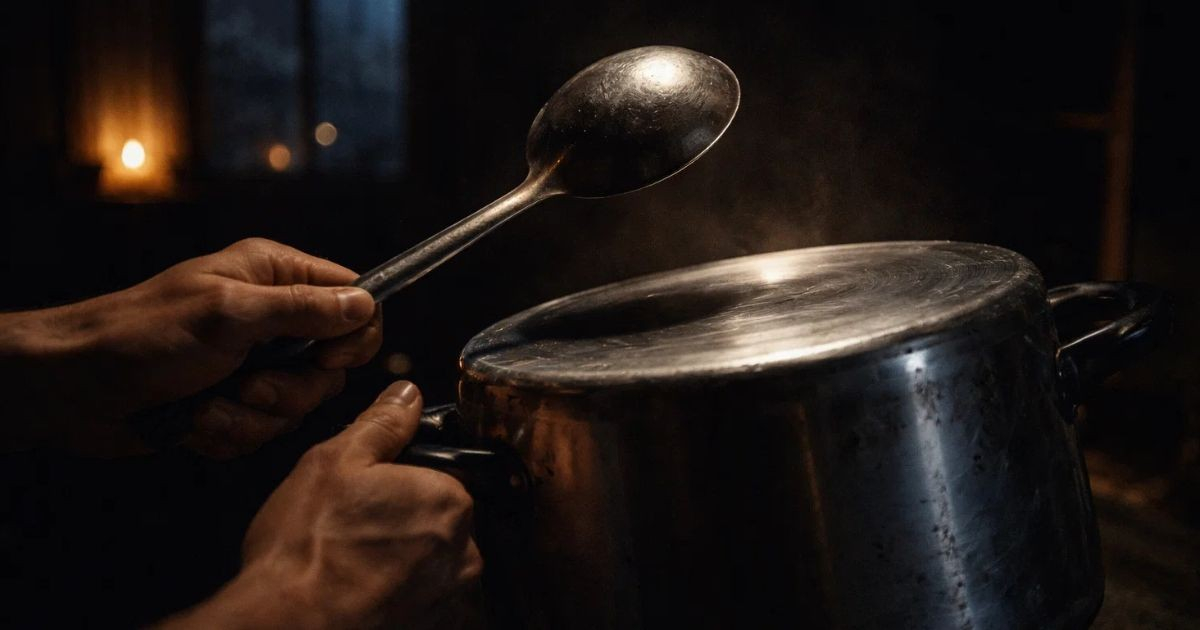
On Tuesday, residents from the Plaza de la Revolución neighborhood in Havana staged a significant protest known as a cacerolazo, which was broadcasted live by CubaNet News and independent journalist Yosmany Mayeta Labrada on Facebook.
This protest holds exceptional symbolic weight as it took place in a district that houses the Palacio de la Revolución, the headquarters of the Cuban government, the Central Committee of the Communist Party of Cuba, and other key political landmarks on the island.
Energy and Gas Crisis Fuels Discontent
The clamor of banging pots occurs amidst a dual crisis severely impacting the residents of Havana. The Electric Union projected a meager availability of just 933 MW against a demand of 3,250 MW for Tuesday, resulting in a shortfall of 2,317 MW and anticipated disruptions reaching 2,347 MW.
Simultaneously, a breakdown at the Canasí gas collection center left seven of the capital's municipalities, including Plaza de la Revolución, Old Havana, Centro Habana, Cerro, 10 de Octubre, Playa, and Marianao, without manufactured gas since Monday.
The state-run company CUPET had assured the resumption of gas supply "by Tuesday morning, August 11," yet this promise remained unfulfilled as residents took to the streets with their pots and pans.
Growing Wave of Protests
Tuesday's cacerolazo is not an isolated incident but rather an intensifying protest wave directed at the political core of the capital, which has been escalating for months. In March, residents of Nuevo Vedado staged a similar protest just blocks from the Palacio de la Revolución, and days later, cacerolazos reached the PCC Central Committee in El Vedado during power outages exceeding 30 hours.
June saw protests in the Boyeros and Tulipán areas, within the same district, against prolonged outages. On July 17, another cacerolazo shook El Vedado after more than 30 hours without electricity.
In late July, El Fanguito residents blocked Avenida 23 after enduring over 48 hours without power, water, or gas, again within the Plaza de la Revolución municipality.
Systemic Energy Collapse
The energy crisis driving these protests is systemic. The National Electric System suffered its seventh total disconnection of the year on August 3, with blackouts exceeding 87 hours in Matanzas and lasting up to 20 hours daily in Havana circuits.
The regime has persistently blamed the U.S. embargo for the collapse, yet the public responds with the sound of clanging pots and, on several occasions, with chants that reach beyond demands for basic services: "We want freedom," protesters have shouted across various parts of the capital in recent months.
The forecast for power outages this week offers no relief, and the unfulfilled promise of manufactured gas leaves seven Havana municipalities without one of their most essential services.
Understanding Cuba's Energy and Political Protests
What is a cacerolazo?
A cacerolazo is a form of protest where participants bang pots and pans to make noise, often used to express discontent with political or social issues.
Why is the Plaza de la Revolución significant?
The Plaza de la Revolución is significant because it is home to key government institutions in Cuba, including the Palacio de la Revolución and the Central Committee of the Communist Party, symbolizing the political power of the regime.
What is causing the energy crisis in Cuba?
The energy crisis in Cuba is attributed to systemic issues within the National Electric System, which has suffered multiple disconnections. The government often blames the U.S. embargo, but many citizens point to internal inefficiencies and mismanagement.