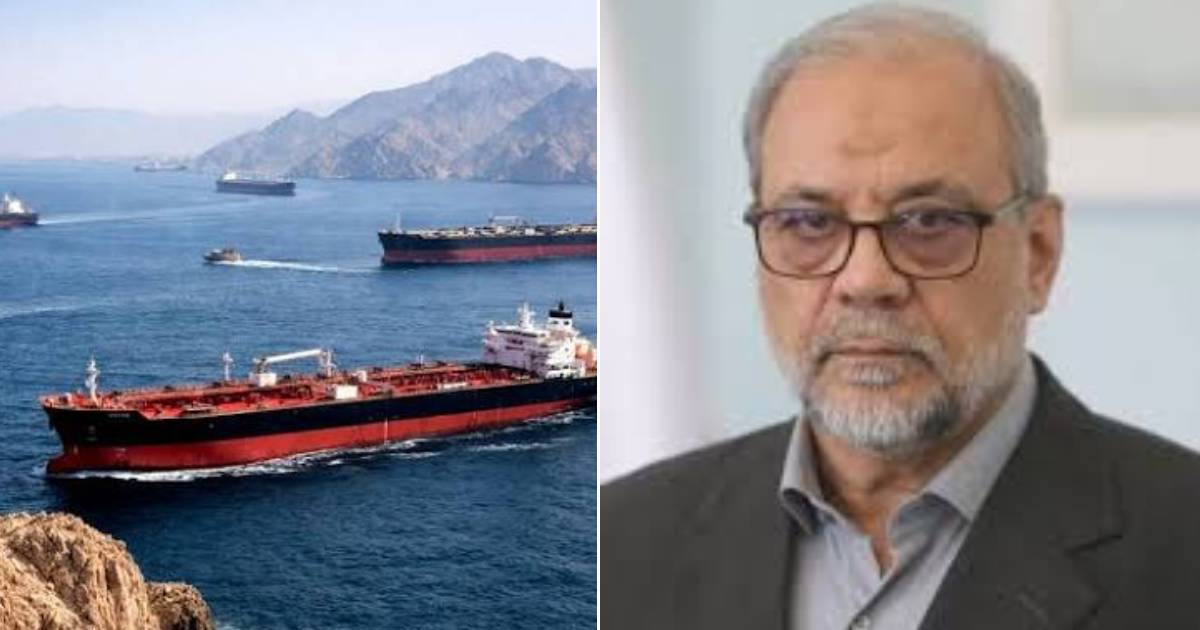
Iran's top security official delivered an extensive list of prerequisites to Washington on Saturday, dampening hopes for a diplomatic resolution that seemed within reach regarding the reopening of the Strait of Hormuz.
Mohammad Bagher Zolghadr, the Secretary of Iran's Supreme National Security Council, communicated through state media the demands being made to the United States. These include the removal of U.S. military forces from Iran's vicinity, the lifting of naval blockades and sanctions, and compensation for war-related damages.
Additionally, Iran is calling for the release of its frozen assets, an end to attacks on its regional allies in Lebanon, Palestine, Yemen, and Iraq, as well as a cessation of threats against the Islamic Republic.
"The Strait of Hormuz will remain closed until the United States alters its conduct," Zolghadr declared in the statement.
Strategic Implications and Diplomatic Challenges
Iranian Foreign Minister Abbas Araqchi added another condition: "Reopening the Strait is contingent upon the U.S. compensating for violations of the Islamabad Memorandum," he told local media, referencing a 14-point framework agreement mediated by Pakistan and signed in June 2026.
General Hosein Mohebi, spokesperson for the Revolutionary Guard, reinforced the ultimatum: "The conditions for reopening the Strait will be met once the U.S. agrees to Iran's terms and abandons its interventionist approach."
These statements emerge as Iran and Oman were reportedly advancing discussions on a new navigation route through the Strait, with expectations of a joint announcement regarding the maritime corridor's geographic coordinates.
Background of the Islamabad Memorandum
The Islamabad Memorandum, reached around June 17, aimed for a ceasefire, reopening of the Strait, and lifting of the U.S. naval blockade, with a 60-day negotiation window for a definitive settlement.
However, the accord quickly unraveled. The U.S. resumed bombing campaigns against Iran in July, prompting Iran to reimpose the Strait blockade and suspend the agreement with Washington on the 18th of that month.
On August 2, President Donald Trump claimed to have laid "the groundwork for an agreement" with Iran and announced the cancellation of an imminent military strike.
The new demands issued by Iran's Supreme National Security Council cast doubt on this narrative, highlighting the significant gap between the two nations.
The Global Impact of the Strait's Closure
The Strait of Hormuz is the world's most strategically significant maritime passage for oil and gas trade, and its prolonged closure directly affects global energy prices.
In late July, Tehran denied any direct talks with Washington and stated it was only in discussions with Oman about the maritime passage's future, leaving Muscat as the sole active diplomatic channel to resolve a crisis ongoing since the year's start.
Key Questions about the Strait of Hormuz Crisis
What are Iran's conditions for reopening the Strait of Hormuz?
Iran demands the withdrawal of U.S. military forces, lifting of naval blockades and sanctions, compensation for war damages, release of frozen assets, and cessation of attacks on its regional allies.
How has the Islamabad Memorandum affected negotiations?
The Islamabad Memorandum initially established a ceasefire and reopening of the Strait, but quickly faltered as the U.S. resumed military actions, leading to Iran reimposing the blockade.
Why is the Strait of Hormuz important globally?
The Strait of Hormuz is crucial for global oil and gas trade, and its closure impacts energy prices worldwide.