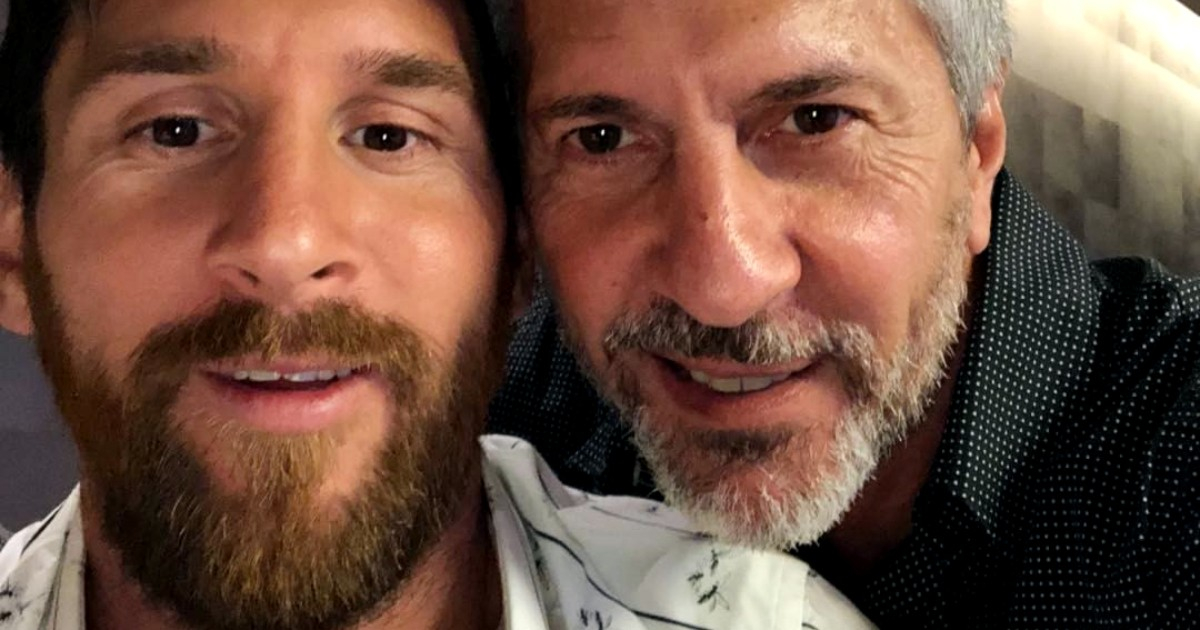
Jorge Messi, the father and agent of soccer legend Lionel Messi, passed away on Friday night in a hospital in Rosario, Argentina. He was 68 years old and had been battling a long-term illness, as confirmed by Infobae.
His passing ends weeks of public speculation regarding his health, which surfaced during the 2026 World Cup. Jorge's absence from the stands, where he was a regular at his son's major tournaments, raised concerns among Argentine media outlets.
It was during Argentina's opening match on June 17 that Lionel Messi broke down in tears after scoring the first of his three goals against Algeria. When asked about it, the Argentine captain chose not to go into details, stating, "It's for reasons completely unrelated to sports, I had a few tough, complicated days. I'm grateful to the team, as always, by my side."
In the mixed zone, former teammate Juan Pablo Sorín gently pressed Messi about the cause of his tears. "Honestly, it's about family more than anything. We're going through a tough time. So, many things have come together," Messi replied.
A few days later, his family released a statement explaining that Jorge was "under medical supervision, recovering and showing favorable progress given his condition." Argentine media even reported that he had been discharged and returned home in Rosario, providing temporary relief. However, his condition worsened once more, leading to his passing on Friday.
The Silent Architect Behind Lionel Messi's Career
Jorge was much more than just the father of the world's greatest soccer player. As the husband of Celia Cuccittini and father to four children—Lionel, Rodrigo, Matías, and María Sol—he was the quiet architect behind a career that has no parallel in sports history.
When Lionel was diagnosed with a growth hormone deficiency during his youth at Newell's Old Boys, Jorge sought out treatment solutions, finding no support in Argentina or at River Plate. He then negotiated an unprecedented deal with FC Barcelona: the club would sign a 13-year-old foreign player and ensure his medical treatment, a salary, housing, work for the family, and image rights.
When adjusting to European life proved challenging and the rest of the family returned to Rosario, Jorge stayed with Lionel in Barcelona. This decision was pivotal in the Argentine star's career. In a 2007 interview, Lionel recalled, "My dad was always by my side. We went through many tough times... My dad asked me what I wanted to do, whether I wanted to continue or return home. I chose to stay, and he stayed with me."
Jorge Messi's Life and Legacy
Jorge, who trained as a chemical technician, worked as a manager at the steel plant Acindar during the 1980s, according to the biography "Messi" by journalist Guillem Balagué. In his youth, he also played as a midfielder in Newell's youth teams until military service interrupted his own soccer dreams.
He maintained a low profile, rarely granting interviews, preferring to stay silent while overseeing his son's career. Over time, he also took on the commercial management of the Messi brand, negotiating contracts with major companies worldwide.
The 2026 World Cup was Lionel's last, at 39 years old, scoring eight goals and providing four assists before losing in the final to Spain. Devastated after the defeat, Lionel could not foresee the even greater personal loss he would soon face.
In that 2007 interview, Jorge left a message for his son that resonates even more deeply today: "Above being a great soccer player, you're an excellent person."
Frequently Asked Questions about Jorge Messi and His Impact
What role did Jorge Messi play in Lionel Messi's career?
Jorge Messi was instrumental in Lionel Messi's career, negotiating the critical deal with FC Barcelona that allowed Lionel to receive medical treatment and support while pursuing his soccer career in Europe.
How did Jorge Messi's absence from the 2026 World Cup affect Lionel Messi?
Jorge Messi's absence from the stands during the 2026 World Cup raised concerns about his health, and Lionel Messi was visibly emotional during the tournament, attributing his tears to personal family issues.