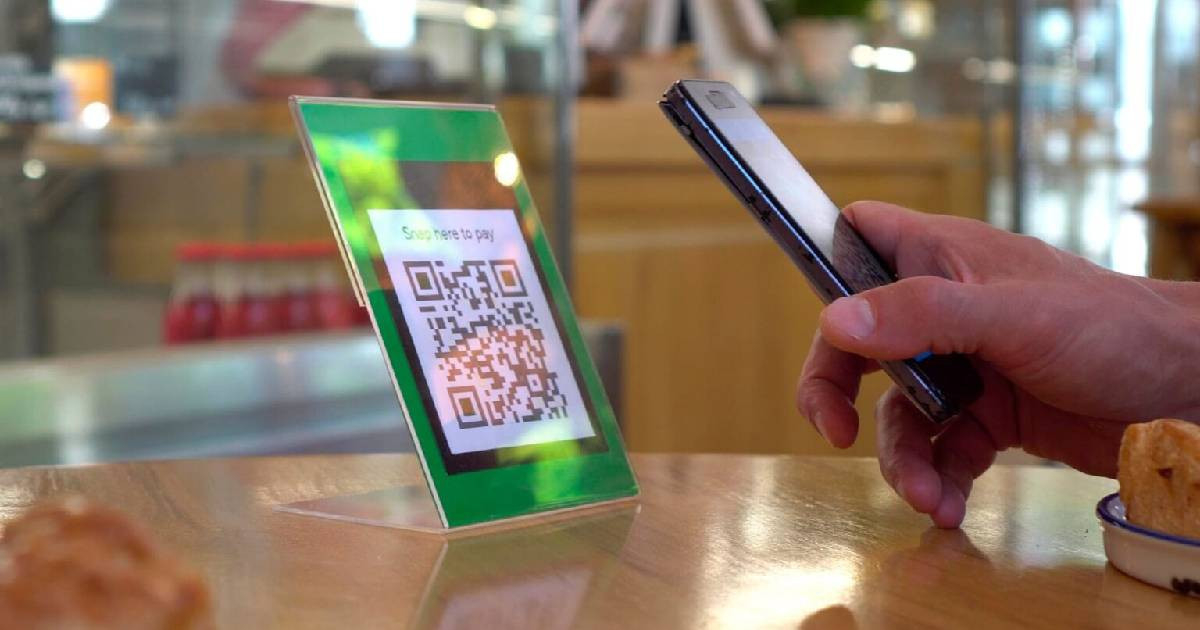
In the municipality of El Salvador, located in Guantánamo province, officials have issued a stern warning this Friday. Private workers and businesses that refuse to accept electronic payments are at risk of facing fines and, if they continue to defy the rules, temporary closure.
Mariela Rodríguez Hernández, the municipal director of Supervision and Inspection, emphasized in an interview with Radio Guantánamo's Summer Agenda magazine, "The regulation is unequivocal: all self-employed workers must accept online payments for all their goods and services. There is no middle ground."
Rodríguez dismissed common excuses that inspectors often encounter during their checks. "Claims such as 'half transfer, half cash' or that 'only one product' can be paid in cash to pensioners do not hold up. These are direct violations of the established regulations," she stressed.
To encourage citizens to report non-compliant businesses, the El Salvador municipality has opened two reporting lines: a landline at 21294506 and a mobile number at 63464979.
"The public should know they have support and that reporting is an act of responsibility," concluded Rodríguez.
The publication Venceremos highlighted the extent of the problem in July, noting that the banking crisis in the province has shifted from being merely a financial issue to a broader social problem.
This threat comes at a time when Guantánamo's provincial government admitted in mid-July that banks lack the cash needed to meet demand. Despite this, they simultaneously ordered increased inspections of those refusing electronic payments.
This structural contradiction mirrors the national failure of Cuba's banking policies. Private businesses often reject electronic payments because their wholesale suppliers demand cash, creating a vicious cycle that no regulation has been able to break.
The failure is evident in the numbers. Three years after the regime enforced mandatory banking through Central Bank of Cuba's Resolution 111/2023, only 3.77% of transactions on the island are digital, despite over 15,240 fines issued and 269 business closures nationwide.
Such coercive patterns are not isolated to Guantánamo. In Bayamo this week, five businesses were shut down for not accepting transfers and are now under the scrutiny of the National Tax Administration Office.
On Isla de la Juventud, the banking initiative has also been a failure. Although 78% of businesses reportedly used payment gateways, there were only 305 point-of-sale terminals available for the entire population, as acknowledged by the local press.
In Matanzas, some businesses impose surcharges ranging from 10% to 30% for digital payments, while in Sancti Spíritus, less than 10% of private businesses regularly accept transfers.
Understanding the Electronic Payment Crisis in Cuba
Why are businesses in Guantánamo refusing electronic payments?
Businesses often refuse electronic payments because their wholesale suppliers require cash, leading to a cycle that is difficult to break under current regulations.
What measures are authorities taking against non-compliant businesses?
Authorities are threatening fines and temporary closures for businesses that refuse to comply with electronic payment regulations.
What are the consequences of the banking crisis in Guantánamo?
The banking crisis has escalated beyond financial issues, becoming a significant social problem as businesses struggle to adapt to electronic payment mandates without sufficient cash reserves.