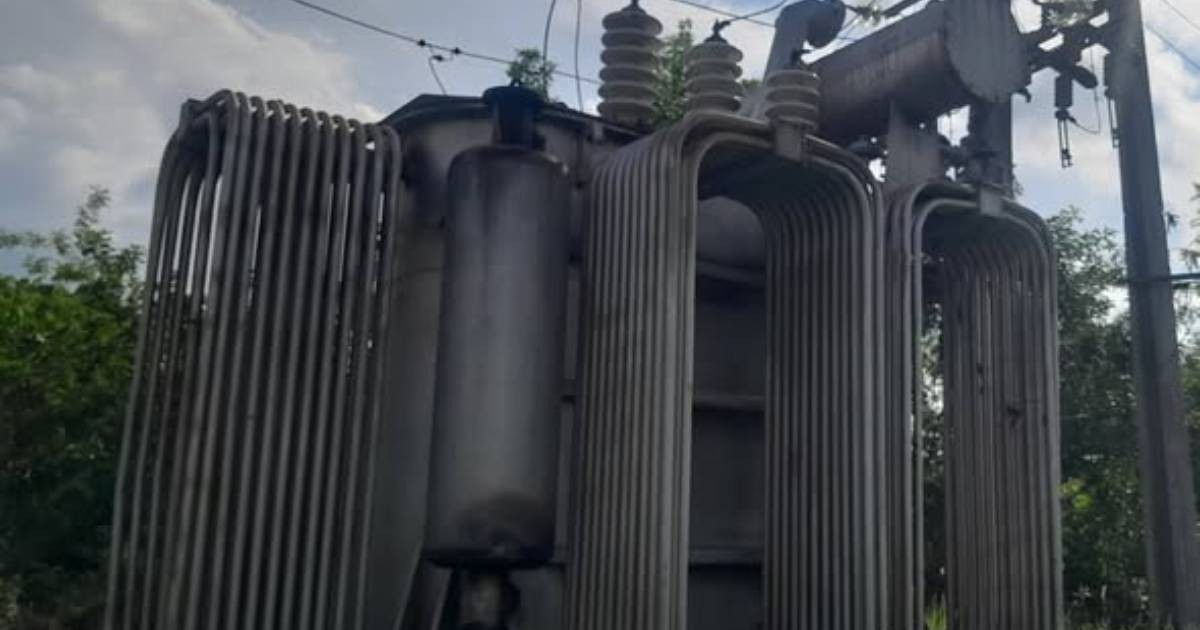
In Holguín, the theft of dielectric oil from transformers has emerged as the most prevalent crime against the electrical system, accounting for over half of the 42 incidents reported in the province by the end of July.
The official newspaper ¡Ahora! released these figures on Thursday, drawing from data provided by the Electrical Company of Holguín. The company has raised alarms about the rapid increase in crimes targeting an infrastructure already strained by breakdowns, lack of maintenance, and prolonged power outages.
Alarming Increase in Electrical Crimes
On July 1st, there were 29 recorded criminal acts against the electric system in the province. By the 28th, this number had climbed to 42, marking an addition of 13 new cases in less than a month.
The theft of oil used in transformers tops the list by a wide margin. The municipalities of Báguanos, Moa, Gibara, and Cueto have been frequently hit by these thefts over the past few weeks.
The Critical Role of Dielectric Oil
Dielectric oil serves two vital purposes: it cools transformers and insulates their electrical components. Its removal can lead to overheating, short circuits, and irreversible damage to equipment that is difficult to replace within Cuba.
The repercussions extend beyond material losses. A damaged transformer can cut off electricity to homes, schools, healthcare centers, water pumping systems, and productive activities for several days.
Historical Context and Continued Challenges
This issue is not new to Holguín. As far back as 2025, the province was grappling with a wave of thefts involving conductors, transformers, batteries, and dielectric oil. In Moa and Zarzal substations, seven oil tanks were stolen, affecting over 4,000 customers.
One of the most severe incidents took place in Guerrita, Mayarí, where over 400 customers were left without power for 29 days following an oil theft at a substation. The lack of spare parts necessitated transporting a 630 kVA transformer from Havana.
Heightened Penalties and Persistent Threats
Despite threats of lengthy sentences and increased surveillance measures announced by state companies, the thefts continue to rise. In Holguín, these incidents have become the leading crime against the electrical system.
Concurrently, the regime has intensified its penal response, with authorities prosecuting such acts as sabotage in addition to theft with force, given their impact on infrastructure deemed strategic.
In Ciego de Ávila, individuals accused of stealing over 2,000 liters of dielectric oil faced sentences of up to 12 years for sabotage. The province recorded 41 incidents in 2025, affecting 84 transformers and resulting in the theft of over 14,440 liters.
In Matanzas, authorities reported an increase in these crimes during the first quarter of 2026. A single theft in Jagüey Grande disrupted service to 4,429 homes, a hospital, a polyclinic, and a hygiene center.
Understanding the Impact of Dielectric Oil Theft in Cuba
What is the significance of dielectric oil in transformers?
Dielectric oil is crucial for cooling transformers and insulating their electrical components. Its absence can cause overheating, short circuits, and irreversible damage to the transformers.
How has the theft of dielectric oil affected Holguín?
The theft has led to significant power disruptions, affecting homes, schools, healthcare facilities, and more. It has become the most frequent crime against the electrical system in the province.
What measures are being taken to address these thefts?
The regime has imposed stricter penalties, prosecuting the thefts as sabotage. Surveillance measures have also been increased, but these crimes continue to rise.