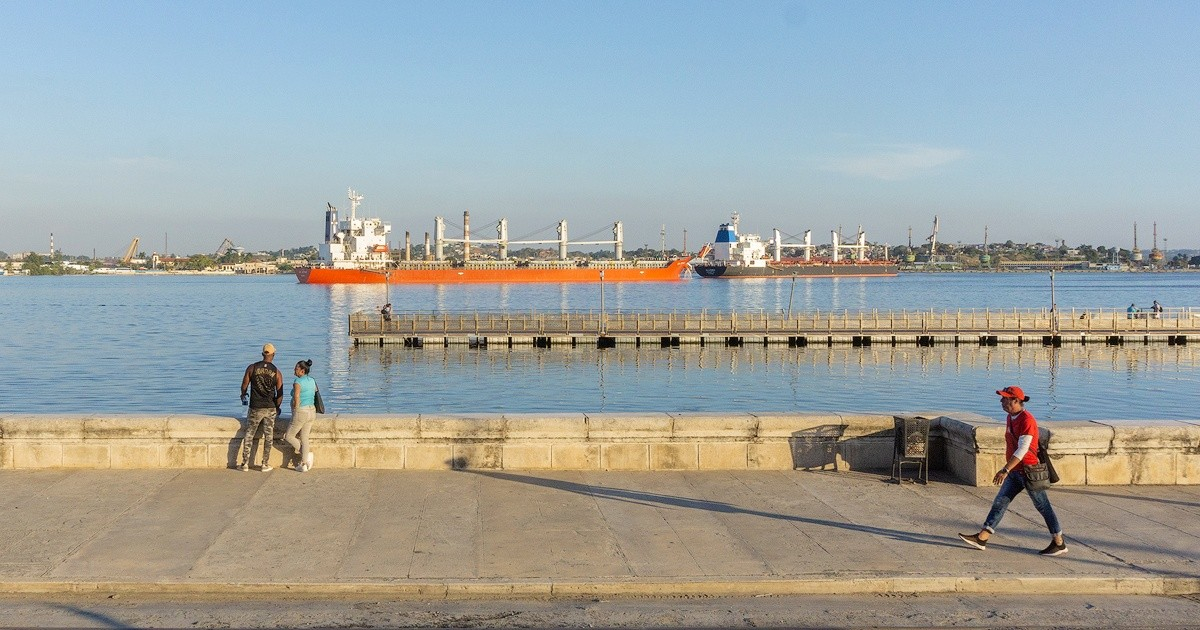
The United Nations revealed on Tuesday that it is actively engaging with several governments to secure a steady supply of fuel for Cuba, amidst what is being described as the island's most severe electrical crisis in decades.
During the UN's daily press briefing on August 4, Deputy Spokesperson for the Secretary-General, Farhan Haq, addressed a question about the organization's involvement in efforts to facilitate fuel deliveries to the island nation.
"We have been in discussions with various countries interested in assisting Cuba to ensure, for humanitarian reasons, that Cuba receives the fuel it needs for its essential humanitarian needs," Haq stated.
The remarks were brief and did not provide specific information regarding any tangible progress.
When asked if there had been any positive responses, Haq did not confirm any agreements, nor did he disclose the names of countries or timelines involved.
His response highlighted the seriousness of the situation while referencing past efforts. "In recent days, as you may have noticed, there have been serious fuel shortages, and we have expressed our concern about this. In previous months, we achieved some progress in securing limited quantities of fuel, and we continue to work on it," he added.
Months of Unfulfilled Promises
The UN's statement is particularly troubling, as it has been echoing a similar message since February without resolving the crisis.
On February 6, spokesperson Stéphane Dujarric warned that Cuba could "collapse" if it did not receive oil.
In March, the UN's Resident Coordinator in Cuba, Francisco Pichón, confirmed diplomatic efforts with Washington to secure a humanitarian exemption, cautioning that "the space for preventive diplomacy is closing very rapidly."
Days later, Dujarric described the negotiations with the United States as "an important and fundamental avenue," expressing hope for success in those talks.
On March 26, the UN introduced an emergency plan valued at $94.1 million, contingent upon an agreement with Washington that never fully materialized.
Five months since the initial warnings, the UN continues to discuss "contacts" and "limited quantities," with no viable solution in sight.
Escalating Crisis
The backdrop of the UN's statement is a worsening crisis.
As of 2026, Cuba has experienced at least seven total blackouts of its National Electric System.
On August 2, there was a complete disconnection from the grid, followed by another nationwide collapse less than 24 hours later.
The following day, the shortfall in power generation hit a new peak of 2,411 megawatts.
On the same Tuesday, Foreign Minister Bruno Rodríguez took to social media, claiming that the blackouts are a "direct result of the genocidal blockade by the United States against Cuba." He argued that the embargo "prevents the free importation of fuels, blocks the entry of essential parts and components for the National Electric System, hinders collaboration with experts from other nations, and complicates access to international financing."
As the Cuban regime and Washington trade accusations, the UN has been voicing its concerns for months without delivering concrete results.
Frequently Asked Questions About Cuba's Fuel Crisis
What has the United Nations done to help Cuba with its fuel shortage?
The United Nations has been in discussions with several countries to secure fuel for Cuba, aiming to address the humanitarian needs arising from the fuel shortage.
Why is Cuba experiencing such severe blackouts?
Cuba is facing severe blackouts due to a combination of factors, including a lack of fuel, outdated infrastructure, and political tensions with the United States, which complicate the importation of necessary resources.
Has there been any progress in the UN's efforts to resolve the fuel crisis in Cuba?
While the UN has been in contact with various countries, there has been no confirmed progress or agreements regarding a sustainable fuel supply for Cuba.