Cuba's Minister of Transportation, Eduardo Rodríguez Dávila, is scheduled to appear on the Mesa Redonda program this Wednesday to outline what have been described as "approved transformations for the transportation sector," as reported by the state-run outlet Cubadebate on their Facebook page.
The public's response was swift and filled with sarcasm, skepticism, and frustration. A recurring question echoed through the comments: "With what power?"
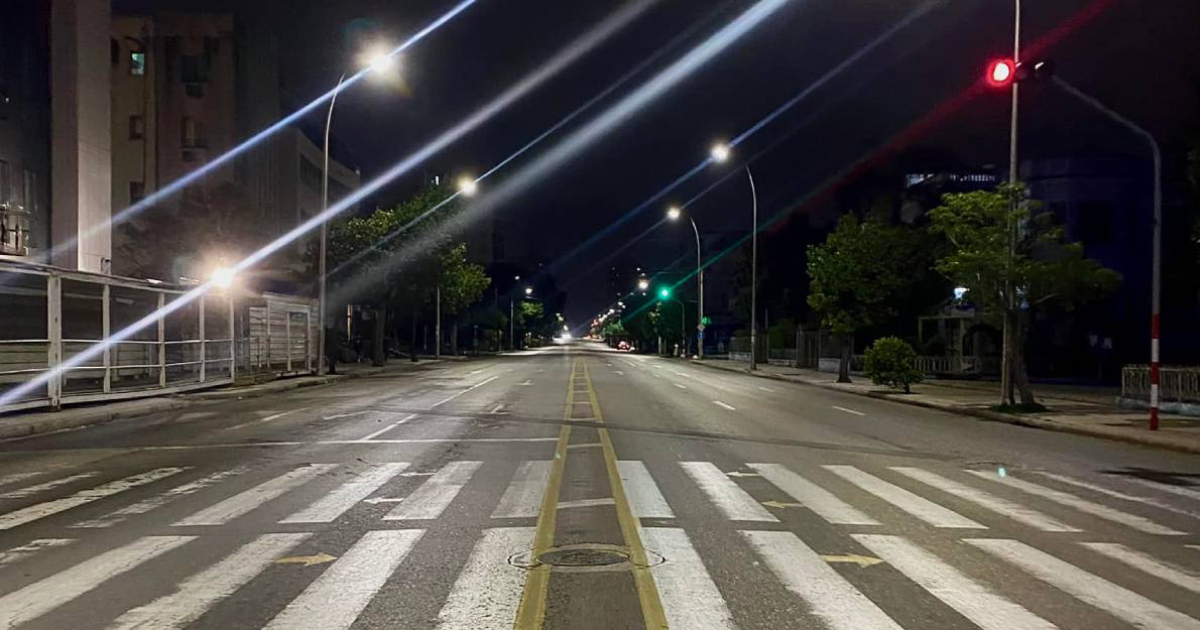
This announcement coincided with a day when the power generation shortfall reached 2,115 MW, leaving only 926 MW available against a demand of 3,210 MW. Just two days prior, Cuba experienced its sixth nationwide blackout, with some areas enduring over 72 hours without electricity.
"They'll see it themselves and those in the live broadcast, because for the rest of us, the TV is just a decorative piece at home," commented one user.
Another person urged, "Please share a summary on social media afterward; we'll read it when we're online, because as for electricity, we have none."
The minister's upcoming measures are part of transformations 146, 147, and 148 of a package of 176 measures approved by the National Assembly on June 18.
Among the announced changes are the removal of the cap on purchasing six vehicles over five years, the doubling of authorized dealership numbers, and permitting non-state entities to assemble and sell electric vehicles.
Tax incentives have also been introduced: the special tax on buses and minibuses has been reduced from 20% to 12%, with further reductions if assembled in Cuba or electric.
The stark contrast between these announcements and everyday reality is hard to overlook. The regime acknowledged earlier this year that public transportation met only 42% of its planned targets.
Since June 18, severe cuts have affected interprovincial routes: connections between Havana and provincial capitals now run just three times a week, while destinations like Manzanillo and Baracoa have been reduced to one weekly departure.
In July, rail operations plummeted by 74%, and in Camagüey, state transport went from serving 350,000 daily passengers to a mere 15,000.
Amid this backdrop, the "chivichana"—a handmade wooden cart without an engine, crafted from planks, bearings, and a rope for steering—has become an ironic symbol of the "transformation" Cubans anticipate.
"Are wooden carts going to be our main mode of transport? Looks like now we'll be walking everywhere," quipped one user. Another added, "There's a strong push for wooden carts; we'll be given 20 boxes of bearings per household, along with wooden planks."
Skepticism about tangible results was widespread. "For transformations to happen, there must be transport. Is there any yet?" questioned a commenter.
Another highlighted a shared contradiction: "The embargo supposedly prevented these transformations, but now, despite its tightening, they can be done. So, it was your restrictions, not the embargo’s."
Summing up years of cumulative frustration, one user noted, "They've been saying it's a temporary situation for about five years, but something temporary should be short-term, not like this. Thank you very much."
Another shared their personal plight with specific numbers: "We'll see if electricity allows us to watch anything. For three years, I haven't been able to travel to Las Tunas because it costs 18,000 pesos one way and 18,000 to return."
Exploring Cuba's Transportation Challenges
What are the new measures proposed for Cuba's transportation sector?
The measures include removing the limit on purchasing vehicles, doubling authorized dealership numbers, and allowing non-state entities to assemble and sell electric vehicles.
How has the electricity crisis affected Cuba's transportation?
The electricity crisis has compounded transportation issues, with frequent blackouts disrupting daily life and limiting access to services like televised announcements about transportation changes.
Why is there skepticism about the proposed transportation changes?
Skepticism arises from the gap between official announcements and the harsh realities faced by Cubans, including persistent shortages and unreliable infrastructure.