The recent surge in attention in the United States surrounding the report titled 'Cuba: The Capital of 21st Century Communism,' released by the U.S. State Department, appears to have triggered a reaction from Havana.
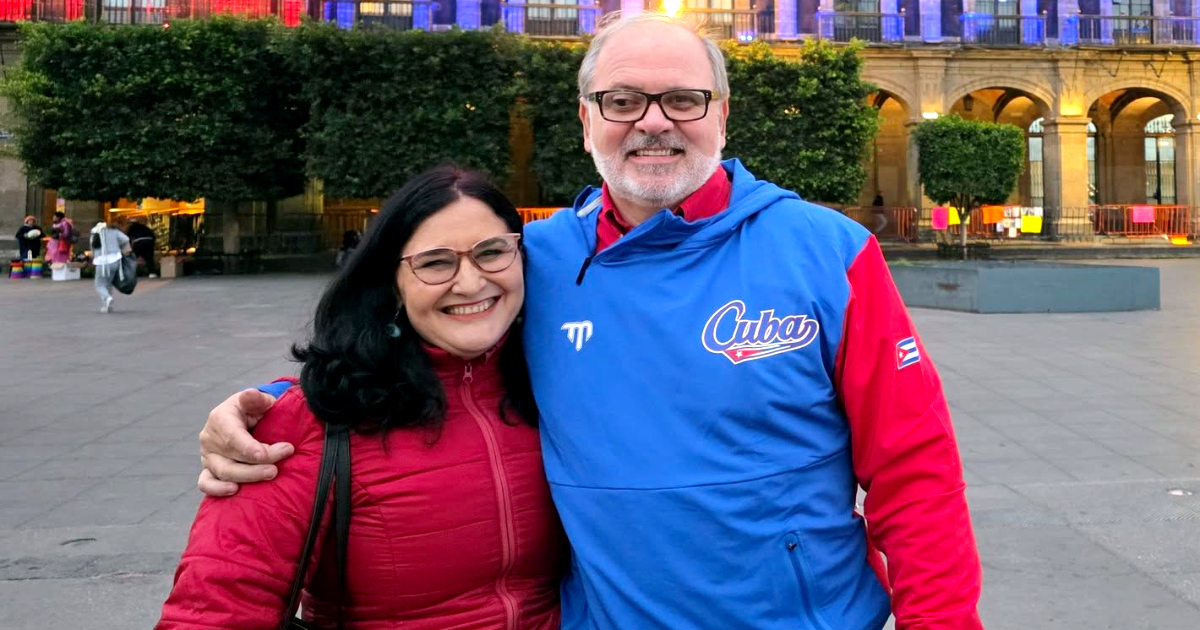
Cuba's ambassador in Mexico, Eugenio Martínez Enríquez, criticized what he described as a "desperate campaign" by Washington to amplify the report's claims through media outlets and social networks.
In a Facebook post, the diplomat questioned, "Is the algorithm deceiving me, or is the State Department desperately pushing its lies into U.S. media to justify the criminal blockade and a potential invasion of Cuba?"
According to Martínez Enríquez, there are "unknown figures on TV perpetually lying about Cuba. And the State Department's account is bustling to spread falsehoods about the largest island in the Antilles."
Visibility of the Report
Instead of merely disputing the report's content, the ambassador emphasized its increased visibility since its release on July 20. He specifically pointed to its presence on U.S. television and the vigorous activity of the State Department's official social media accounts, attributing this to a coordinated dissemination campaign.
The ambassador, married to Johana Tablada de la Torre—one of the main spokespersons for Cuba's Ministry of Foreign Affairs and a prominent figure in the regime's international communications—was assigned to Mexico, a crucial diplomatic post for Havana due to the significance of the bilateral relationship and Mexico's political influence in the region.
The Broader Discussion
Martínez Enríquez's response coincides with the report's expansion beyond institutional settings into broader public discourse in the United States. In recent weeks, the document has been featured in television networks, digital media, political analysis programs, official State Department accounts, and among congress members, content creators, influencers, and organizations both supportive and critical of Washington's policy toward Cuba.
This public exchange indicates that the debate has evolved beyond sanctions or bilateral relations to include Washington's portrayal of the Cuban regime as a political influence, intelligence player, and international actor.
Several analyses by CiberCuba suggest that the report's true impact lies not in the measures it announces—practically non-existent—but in the conceptual framework it proposes. The document positions Cuba not just as a Latin American dictatorship but as a national security challenge for the United States, aligning with the Trump administration's National Security Strategy and the recent hardening of policy toward Havana.
In this context, the Cuban ambassador's message is significant because it does more than reject the report's conclusions. It expresses concern over the broadening public conversation around its theses and the resonance they are finding in American media, social media, and political circles.
Understanding the U.S. State Department's Report on Cuba
What is the focus of the U.S. State Department's report on Cuba?
The report focuses on presenting Cuba as the "Capital of 21st Century Communism" and highlights the Cuban regime's influence and threat to U.S. national security.
How has the Cuban ambassador in Mexico reacted to the report?
The ambassador, Eugenio Martínez Enríquez, criticized the report as part of a "desperate campaign" by the U.S. to spread lies about Cuba through media and social networks.