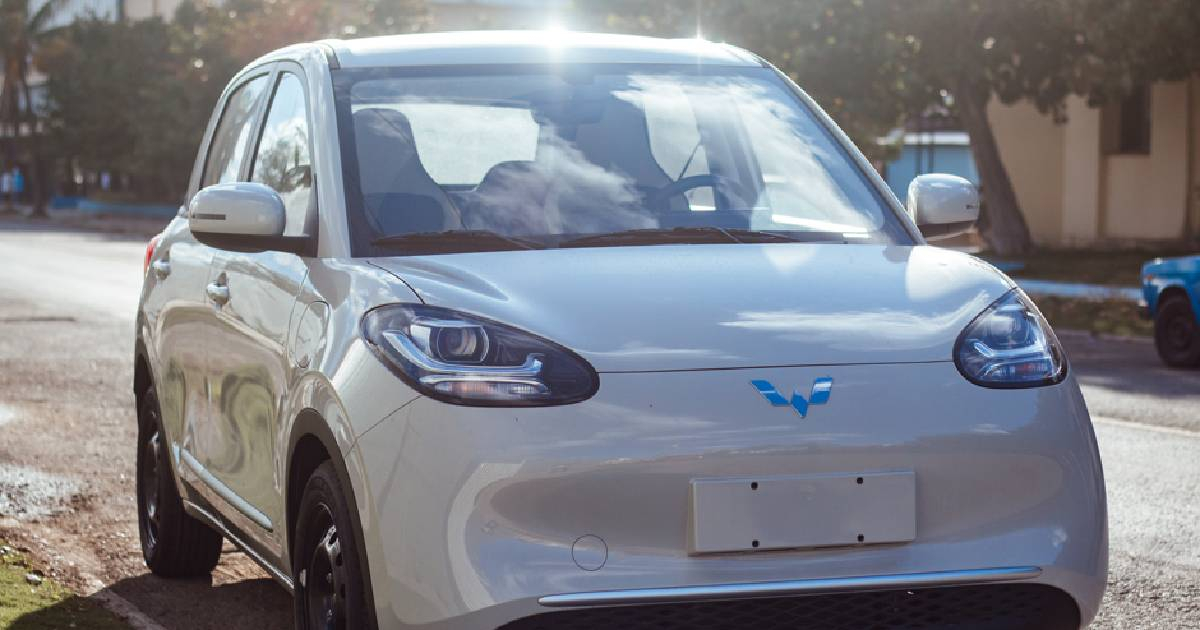
Cubans are now permitted a one-time import of a completely electric car without incurring taxes or duties, under the condition that the vehicle is accompanied by a renewable energy-powered charging station that can fully meet its energy needs.
This new regulation was detailed in the Official Gazette released this Tuesday, which includes Decree 163/2026 along with several complementary resolutions regarding the purchase, sale, and importation of vehicles. The measure will take effect seven days following its publication.
Regulatory Conditions for Electric Car Imports
Part of a broader package of vehicle regulations approved by the Cuban government, this measure sets specific criteria for those looking to import an electric automobile. Eligible individuals include Cuban citizens and foreigners with permanent, temporary, real estate, provisional, or humanitarian residency in Cuba.
The authorization covers a single fully electric car or rural vehicle and is a one-time opportunity. Importation will occur non-commercially via unaccompanied baggage or shipment.
Customs and Duty-Free Requirements
While Customs will accept the car with or without the renewable energy charging station, duty-free status is only granted if the station accompanies the vehicle and can fully support its charging needs. The regulation doesn't restrict the charging station to solar energy alone but broadly refers to any renewable energy source that guarantees complete coverage.
If the electric car arrives without the charging station, the owner must pay a fixed customs duty based on the vehicle's value:
- Up to $10,000: $500
- More than $10,000 and up to $20,000: $1,000
- More than $20,000 and up to $30,000: $1,500
- More than $30,000: $2,000
Resolution 175/2026 also sets a maximum fee of $22 for the technical and production services rendered by Customs during each non-commercial electric car import transaction.
Duties and customs fees must be paid in U.S. dollars or their equivalent in other convertible currencies using international or national prepaid cards.
Importation Rules and Responsibilities
This import authorization exceeds the general value limit typically allowed for personal imports and will not count toward the passenger luggage value limit. Owners are responsible for ensuring the vehicle is shipped fully assembled or in a disassembled state that allows identification as a complete car without additional parts. The invoice or international transport document must describe it as such.
If the disassembled state prevents identification as a complete vehicle, the freight forwarder may request an inspection by Automotive Services S.A. or another authorized entity. The costs for this certification will fall upon the beneficiary or shipper.
Failure to meet the stipulated quantities and conditions will result in the vehicle being seized by the General Customs of the Republic.
Special Provisions for Cubans Working Abroad
The possibility of direct electric car imports was initially announced by the government in June, without specific duties, customs fees, or technical requirements. The Gazette specifies a distinct regime for certain Cubans employed abroad, including members of diplomatic, consular, and state business missions, cooperants, professionals, and others who have spent at least two consecutive years on a mission.
These individuals can import one electric vehicle with original seating for up to eight passengers through an authorized import entity. In this case, the customs duty will be $100, and the customs service fee will be $8.
Crew members of ships and aircraft can also take advantage of this provision, although their terms and procedures will be regulated through specific directives.
For commercial imports, authorized companies must purchase electric vehicles from approved suppliers and brands as determined by the Automotive Media Evaluation Committee.
Commercial Import Requirements
New cars must come with a warranty exceeding one year, while used vehicles must have a warranty of more than six months, after-sales service in Cuba, spare parts, trained personnel, and roadside assistance.
Imported used electric vehicles by these entities must not be over ten years old or exhibit damage from accidents or missing key systems.
Commercial imports of electric vehicles must also include renewable energy-based charging stations, with a capacity matching the number of vehicles purchased.
Frequently Asked Questions About Electric Car Imports in Cuba
Who is eligible to import an electric car duty-free in Cuba?
Cuban citizens and foreigners with permanent, temporary, real estate, provisional, or humanitarian residency in Cuba are eligible to import a fully electric car duty-free under specific conditions.
What conditions must be met for duty-free importation?
To qualify for duty-free importation, the electric car must be accompanied by a renewable energy-powered charging station capable of fully meeting its energy requirements.
What are the customs duties if the car arrives without the charging station?
If the electric car arrives without the charging station, customs duties range from $500 to $2,000, depending on the car's value.
Are there special provisions for Cubans working abroad?
Yes, Cubans working abroad, such as those in diplomatic missions or on cooperative assignments, can import a vehicle with fewer restrictions and lower fees.