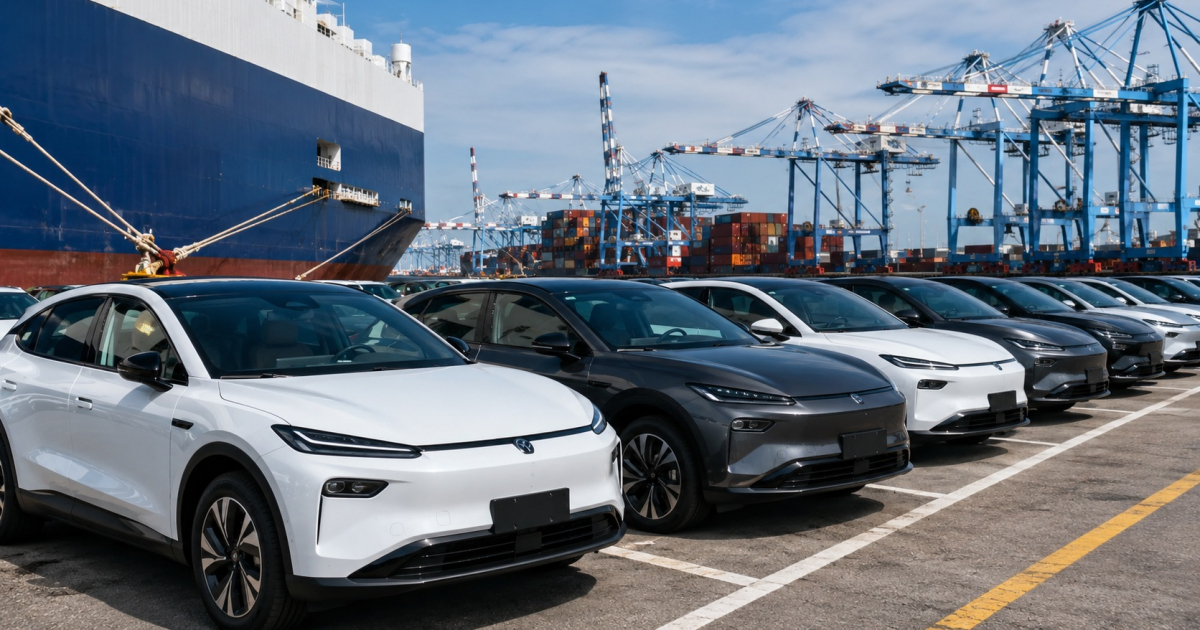
On Tuesday, the Cuban government released a comprehensive legislative package in the Official Gazette, significantly revising the rules for buying, importing, and assembling vehicles on the island. This new framework offers preferential treatment to electric cars, providing the option for direct importation with a fixed tariff.
The cornerstone of this initiative is Decree 163/2026, signed by Prime Minister Manuel Marrero Cruz. This decree repeals the previous regulation from late 2024 and expands the regulatory framework to align with the "current economic context" and the country's energy transformation policy.
Tax Incentives for Electric Vehicles
One of the standout measures includes a complete tax exemption for electric vehicles imported alongside a charging station powered by renewable energy sources, such as solar panels.
Moreover, electric vehicles assembled within Cuba are not subject to the special sales tax, which can be as high as 35% for luxury vehicles.
Eligibility and Payment Regulations
Both Cuban nationals and foreigners with various residency statuses in Cuba are eligible to purchase new or used vehicles through authorized dealerships. All transactions must be conducted in U.S. dollars or their equivalent in other convertible currencies, using payment methods approved by the Central Bank of Cuba.
The decree also introduces a progressive tax starting with the third vehicle purchased by the same individual or entity, applicable to categories such as motorcycles, cars, and rural vehicles.
Changes to Vehicle Assembly Regulations
An important aspect of the package is Decree-Law 122/2026 from the Council of State, which amends the Road Safety Code to permit vehicle assembly from legally acquired parts, a practice previously reserved for state entities.
The revised article states that "the manufacturing and assembly of motor vehicles, trailers, and semi-trailers is authorized from the lawful acquisition of their parts and components, as directed by the Council of Ministers, to ensure the quality and safety of their use."
This change opens the door for mixed entities—state and private—to engage in the local vehicle assembly industry, in line with previous decrees on the Cuban business system.
Broader Legislative Context
The legislative package also includes resolutions from five agencies: the Ministries of Finance and Prices, Domestic Trade, Foreign Trade, and Transport, along with the General Customs of the Republic.
Among its objectives, Decree 163/2026 explicitly mentions "the introduction of electric vehicles or other Renewable Energy Sources, in the interest of transforming the country's energy matrix," a regime priority amidst the severe energy crisis affecting the Cuban population.
The regulation also establishes a Public Transport Development Fund and governs the technical decommissioning, dismantling, and recovery of vehicles, as well as the sale of spare parts and accessories.
This announcement follows a government preview in June about expanding direct electric car imports by individuals, offering tariff priorities for those simultaneously importing solar charging equipment.
The entire legislative package takes effect seven days after its publication in the Official Gazette, setting its effective application for Tuesday, August 11, 2026.
FAQs on Cuba's New Electric Car Import Policy
What vehicles are eligible for the new tax exemptions in Cuba?
Electric vehicles imported along with renewable energy-powered charging stations and those assembled in Cuba are eligible for complete tax exemptions.
Who can purchase vehicles under the new Cuban regulations?
Both Cubans and foreigners with various forms of residency in Cuba can buy new or used vehicles from authorized dealerships.
When will the new vehicle import regulations take effect in Cuba?
The regulations will be effective starting Tuesday, August 11, 2026, seven days after their publication in the Official Gazette.