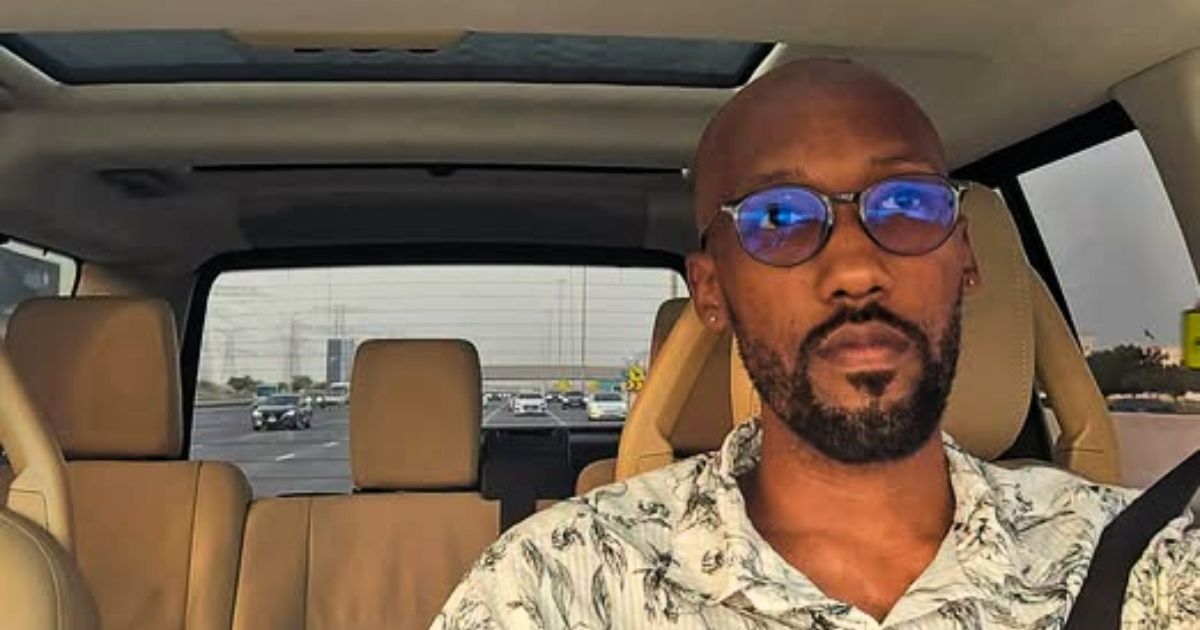
Alejandro Terry, a Cuban doctor now living in Dubai and also a digital content creator, shared a thought-provoking post on Facebook this past Saturday. In it, he expressed two deeply personal truths about his immigration journey—claiming that leaving Cuba was simultaneously "the worst mistake" and "the best decision" of his life.
Terry graduated from the University of Medical Sciences of Havana in 2018 and is the son of Pelayo Terry Cuervo, the former director of the state-run newspaper Granma. In February 2022, he and his wife made the decision to move to the United Arab Emirates, where he reinvented himself as a storyteller and digital content creator for Meta.
In a post entitled, "Is It Worth It to Emigrate as a Cuban? My Answer After 4 Years," Terry challenges the prevailing narrative of guaranteed success for those who leave Cuba. "In Cuba, emigration is painted with just one color: success. Those who leave are seen as triumphant. Those who stay... well, that's something you know better than I do," he remarked.
The Struggles of Adjusting to a New Life
Initially, Terry details the hurdles he faced in his first month abroad, describing them as a series of small defeats in tasks that are routine for locals: opening a bank account, understanding credit, using a rideshare app, or choosing milk at the supermarket.
"Capitalism has its own language and teaches it to you without a translator, mocking you all the while," he wrote, noting that in Cuba, the most significant record wasn't credit history but whether one had a ration book. He dubbed this phase "surviving the mundane," filled with "daily humiliations that no one shows in their Instagram photos."
The Emotional Toll of Distance
The narrative then shifts to a more personal level, touching on the heartache of leaving family behind, which psychologists refer to as "ambiguous loss"—pain for something not entirely gone but not present either.
"Your mom ages on a six-inch screen," Terry lamented, describing the agony of watching his father fall ill over a video call with poor reception, unable to discern if his father was downplaying the severity to avoid causing worry.
"The worst part isn't the physical distance. It's the disconnect. You change here, they change there, and when you meet—if you meet—sometimes you're almost strangers who still care deeply for each other," he explained.
Navigating New Beginnings
Terry also addresses the fallacy of "starting from scratch," exposing its harsh reality: entering a system that doesn't recognize the immigrant's previous achievements, lacking references or connections.
"Everything you were in Cuba—your reputation, your network, your hard-earned street smarts—stays in Cuba. Here, you're just an unusual name on another form," he noted, adding that the gap between immediate expenses and delayed income is where "an immigrant is either built or broken."
Despite these challenges, Terry concluded that emigration is worthwhile if one seeks true freedom or the opportunity to build something personal, but with a caveat: "Emigrate knowing what you leave behind, not escaping what you don't want to face. [...] The only bad decision is the one made without honest information."
He also defended those who emigrate for political reasons: "No human should be forced to live under a system that denies them. That's not desertion. It's dignity. True dignity."
Terry's story is part of the largest Cuban exodus in decades. According to the National Office of Statistics and Information, as of the end of 2023, at least 1,249,733 Cubans reside abroad, with more than 850,000 arriving in the United States since 2022, and over 250,000 emigrating just in 2024, driven by chronic blackouts, shortages, and an economy that has shrunk by over 15% since 2020.
"The Cuban emigrant doesn't abandon their family. They support them from afar with an effort that no one captures in photos," Terry concluded in his post.
Understanding the Cuban Emigration Experience
Why did Alejandro Terry describe emigration as both a mistake and a triumph?
Alejandro Terry saw emigration as both a mistake and a triumph because, despite the challenges and emotional struggles, it allowed him to pursue freedom and personal growth. He acknowledged the difficulties of adapting to a new culture and the emotional toll of leaving family behind, yet recognized the potential for building a new life.
What are some challenges faced by Cuban emigrants according to Terry?
Terry highlighted several challenges, including navigating everyday tasks in a new system, the emotional burden of leaving family, and the difficulty of starting anew without recognition of their previous achievements or connections.
How has the Cuban exodus impacted the country?
The Cuban exodus has led to a significant population residing abroad, with at least 1,249,733 Cubans living outside the country by the end of 2023. This mass migration has been fueled by economic decline, chronic shortages, and political discontent.