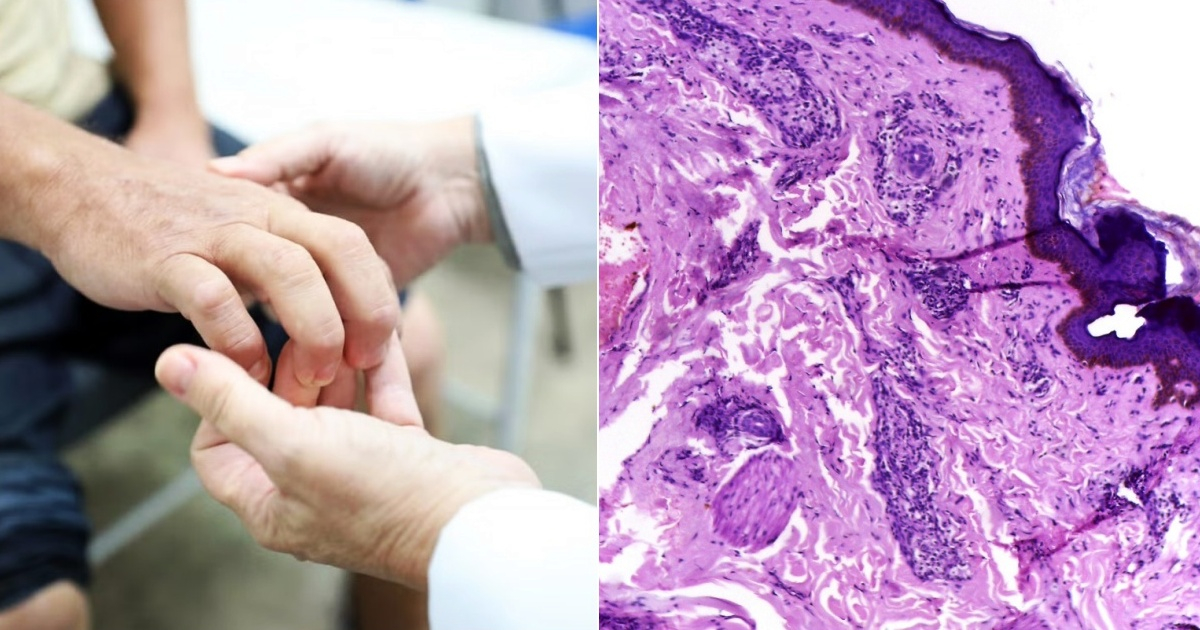
The state of Florida has recorded 17 cases of leprosy so far in 2026, primarily affecting the central region, according to a report from People.
This figure is part of a continuous upward trend, positioning the Sunshine State as the leading hotspot for the disease in the United States.
The increase follows a year when 2025 ended with 36 cases, marking the highest annual total since the Florida Department of Health began documenting the disease in 1992, as reported by Univision.
The Rising Trend of Leprosy in Florida
The progression is notable: from only eight cases in 2022, Florida saw a rise to 23 in 2023, 20 in 2024, and 36 in 2025.
In 2025, Florida accounted for 36 of the 174 cases reported nationwide, based on data from the National Hansen's Disease Program.
While the total number of cases across the country has decreased over the years—205 cases in 2024 and 225 in 2023—Florida is moving in the opposite direction.
The geographic concentration is particularly evident along the I-4 corridor in the state's central region. Counties with confirmed cases in 2026 include Brevard, Charlotte, Duval, Highlands, Lake, Lee, Manatee, Miami-Dade, Okeechobee, Orange, Seminole, St. Johns, Sumter, and Volusia.
Notably, 27 of the 36 cases reported in 2025 were likely acquired within Florida itself. A 2025 study published in Emerging Infectious Diseases highlighted that leprosy is now considered endemic in parts of the southeastern United States, particularly in Florida.
Armadillos and Their Role in Leprosy Transmission
Health officials are examining the role of nine-banded armadillos as a potential source of infection. These animals are among the few natural reservoirs for the bacterium Mycobacterium leprae, with estimates indicating that between 15% and 20% of armadillos in certain southern regions carry the bacteria.
A 2015 study from the National Hansen's Disease Program confirmed that humans could contract the bacteria through direct contact with these armadillos.
The disease can also spread among humans through prolonged close contact with the nasal or oral fluids of an untreated infected person.
Dr. Joseph Ladapo, Florida's Surgeon General, addressed this potential connection during a public appearance in Orlando in July 2026, while also reassuring the public that leprosy remains rare in the United States.
Understanding and Managing Leprosy
Leprosy, or Hansen's disease, is caused by the bacterium Mycobacterium leprae and affects the skin, peripheral nerves, eyes, and nasal lining.
According to the Centers for Disease Control and Prevention (CDC), symptoms may take up to 20 years to appear after infection. Common signs include skin patches with loss of sensation, numbness or weakness in hands and feet, and persistent skin lesions.
If left untreated, leprosy can lead to permanent disabilities. However, it is curable with antibiotics over a period of one to two years.
The CDC also highlights that approximately 95% of people have a natural immunity to the bacteria. Person-to-person transmission requires prolonged close contact over months with an untreated infected individual. Casual interactions, such as handshakes or sitting next to someone with leprosy, do not spread the disease.
Florida's Complex Health Landscape in 2026
The rise in leprosy cases is not the only health challenge facing Florida in 2026. The state is also dealing with a measles outbreak with over 141 confirmed cases, an ongoing cyclospora outbreak since May, and cases of Vibrio vulnificus, commonly known as the flesh-eating bacteria, presenting a complex health situation.
Authorities advise avoiding handling wild armadillos, especially those that are dead or appear sick, and seeking medical attention for any persistent skin changes or loss of sensation, particularly if there is a history of contact with these animals or individuals diagnosed with leprosy.
Frequently Asked Questions about Leprosy in Florida
How many leprosy cases have been reported in Florida in 2026?
As of 2026, Florida has reported 17 cases of leprosy.
What role do armadillos play in the spread of leprosy?
Armadillos are natural carriers of Mycobacterium leprae and can transmit the bacteria to humans through direct contact.
Can leprosy be cured?
Yes, leprosy is treatable with antibiotics, usually over a period of one to two years.