On July 30, the Russian government declared an extension of its ban on gasoline and diesel exports, locking it in until January 31, 2027. This move, effective immediately, further limits Moscow's ability to supply additional fuel to Cuba, a nation grappling with one of its most severe energy crises.
According to DW en Español, Russian Deputy Prime Minister Alexandr Novak hinted at this decision on July 25, stating, "We decided in a meeting to extend the ban on exporting gasoline for both producers and non-producers, meaning it will continue until the end of the year." However, the official announcement proved more stringent, extending the prohibitions to early 2027.
Impact of the Ukraine Conflict on Fuel Shortages
The direct cause of this measure is Russia's fuel shortage, exacerbated by Ukrainian attacks on its refineries. Between January and July 2026, Ukraine targeted 24 out of 34 major Russian refineries, reducing production to its lowest point in 21 years—approximately 3.8 million barrels per day, as reported by consulting firm Kpler.
By early July, gasoline production had fallen to just 65% of average summer consumption, leading to rationing at gas stations across nearly all 83 Russian regions, according to a CNN en Español report. Novak acknowledged ongoing supply issues, particularly in Siberia, and mentioned that the diesel ban would be lifted "as the market recovers."
To mitigate internal shortages, Russia has turned to imports. Reuters, cited by Le360, reported that by mid-July, Russia imported approximately 30,000 tons of AI-92 gasoline from the port of Tangier, Morocco, to the Arctic port of Murmansk, with Lukoil as the supplier. Additional shipments arrived from India and by rail from Belarus and Kazakhstan.
Exceptions and Potential Relief for Cuba
Not all exports are halted: Starting September 1, 2026, exports of diesel, maritime fuel, and gas oils directly by producers will be exempt. Furthermore, exemptions remain for shipments under intergovernmental agreements and for humanitarian aid, theoretically allowing occasional supplies to Cuba.
To ensure fuel availability for farmers during the harvest season, the Russian government has implemented temporary measures until November 1, 2026.
Implications for Cuba's Energy Crisis
This decision comes at a critical time for Cuba, which requires between 90,000 and 110,000 barrels of oil daily but only produces around 40,000, relying on imports to make up the difference. The crisis has worsened since late 2025, after Nicolás Maduro's capture on January 3, 2026, cut off Venezuelan supplies of 25,000 to 35,000 barrels per day.
Mexico ceased deliveries due to debts exceeding $1.5 billion; meanwhile, on January 29, Trump signed Executive Order 14380, imposing secondary tariffs on any country exporting oil to Cuba.
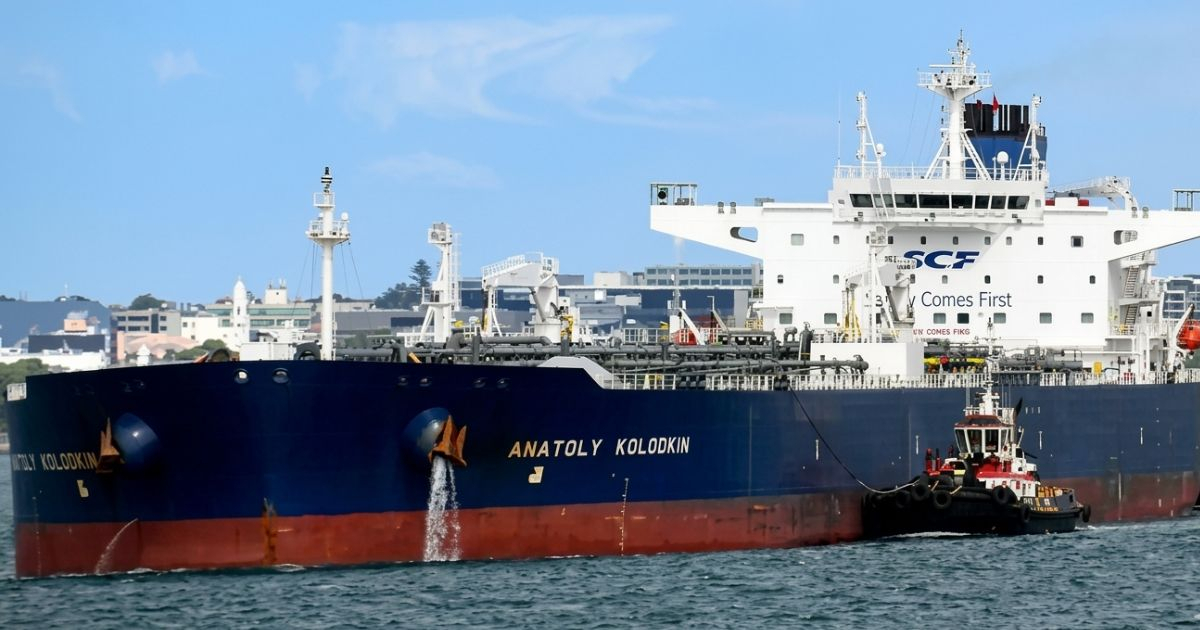
In March-April, Russia dispatched the tanker Anatoly Kolodkin with around 100,000 tons of crude, enough for only seven to ten days of consumption. Cuban Energy and Mines Minister Vicente de la O Levy admitted that Cuba needs eight fuel tankers monthly to meet basic needs and currently distributes just 800 tons of diesel daily, half of the 1,600 tons needed for normal operations.
Russian Ambassador to Cuba Viktor Koronelli assured in May that Moscow would continue sending oil to the island but urged other allied nations to participate in the effort. Russian Foreign Minister Serguéi Lavrov previously acknowledged that Russian assistance "will likely last a couple of months."
So far in 2026, Cuba has experienced four total blackouts of its National Electric System, with peak-time deficits surpassing 2,000 MW in July. Meanwhile, Havana's search for alternative supply sources to sustain its fragile energy system has yet to yield results.
Understanding Russia's Export Ban and Its Impact on Cuba
Why has Russia extended the export ban on diesel and gasoline?
The extension is primarily due to fuel shortages caused by Ukrainian attacks on Russian refineries, significantly reducing production.
How does this decision affect Cuba?
Cuba, already experiencing a severe energy crisis, relies heavily on fuel imports. The ban limits its ability to secure additional fuel supplies from Russia.
Are there any exceptions to Russia's export ban?
Yes, starting September 1, 2026, some exports by producers will be exempt, and there are allowances for intergovernmental agreements and humanitarian aid.