The Cuban regime's recent announcement of salary increases for doctors and teachers has sparked not relief, but a wave of mockery and outrage across social media platforms.
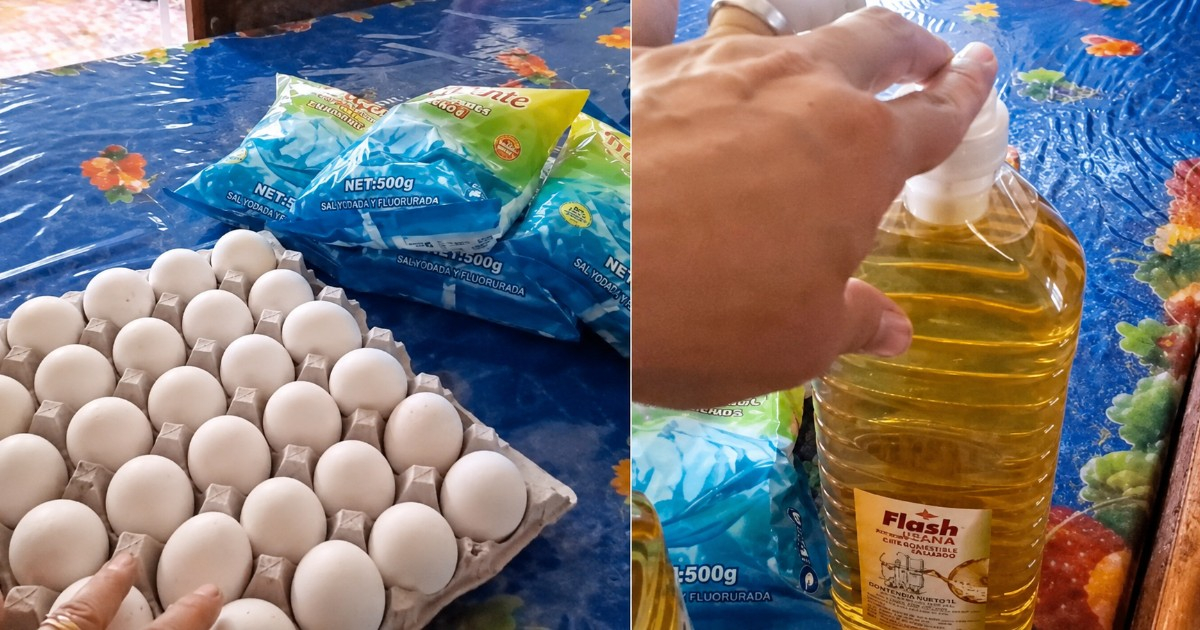
A widely circulated joke captures the sentiment perfectly: with the new salary, workers might finally afford both a carton of eggs and a bottle of oil "in the same month," highlighting the severe inflation plaguing the island's residents.
The Ministry of Labor and Social Security's Resolution 17/2026 formalized the new salary structure for the budgeted sector, effective from July 1, 2026, with the first payments reflecting these changes arriving in August.
According to the official chart presented by a deputy minister, the monthly base salary for a general practitioner increased from 4,610 to 7,045 Cuban pesos (CUP); a first-degree specialist's salary rose from 5,560 to 8,500 CUP; and a second-degree specialist saw an increase from 5,810 to 8,880 CUP.
In the education sector, teachers and professors experienced similar adjustments: a general education teacher's salary increased from 5,060 to 7,735 CUP, a full university professor's salary rose from 5,810 to 8,880 CUP, and a university assistant's salary jumped from 5,310 to 8,115 CUP.
The real issue lies in the exchange rate. At an informal rate of about 673 CUP per dollar at the end of July, a newly graduated doctor's base salary is worth just 10.5 dollars per month. A second-degree specialist earns less than 13.2 dollars.
A Cuban doctor, known online as "Maria Magdalena la Sacerdotisa," expressed her frustration in a Facebook video on July 30, calling the situation a "global embarrassment" and noting that the increase amounts to merely 10 dollars a month.
The harsh reality of the informal market crushes any official celebration. A carton of 30 eggs is priced between 3,000 and 4,000 CUP — with some areas seeing prices as high as 5,000 — and a liter of vegetable oil ranges from 1,800 to 2,500 CUP.
This means that just these two basic items could consume between 43% and 90% of a general doctor's base salary.
Cuban economist Javier Pérez Capdevila calculated that an individual needs approximately 96,060 CUP monthly to cover basic expenses — around 30 times the new minimum wage of 3,210 CUP — with 70,070 CUP required solely for food.
The regime's official table includes additional payments — for night shifts, effort, special conditions, teaching categories, and Doctor or Master's degrees — potentially raising a general doctor's earnings to 19,940 CUP, and a second-degree specialist's to 27,800 CUP. Yet, even these maximum figures equate to less than 42 dollars a month at the informal exchange rate.
Miguel Díaz-Canel defended the measures, claiming they "protect people in the most difficult situations" and denied they were populist. However, the public's response was clear: Cubans explained to the regime the cost of a carton of eggs and compared it to the announced salary increase.
This increase follows a previous hike in 2025 — when a general doctor's salary rose from around 5,000 to about 6,200 CUP — and is part of a long series of wage adjustments that have failed to restore the purchasing power lost since the 2021 "Tarea Ordenamiento," a reform that unified the currency but unleashed unresolved structural inflation.
Understanding Cuba's Salary Adjustments
What are the new salaries for Cuban doctors and teachers?
General practitioners' salaries increased to 7,045 CUP, first-degree specialists to 8,500 CUP, and second-degree specialists to 8,880 CUP. Teachers and professors saw similar raises.
How does the salary increase compare to the cost of living in Cuba?
Even with the salary increase, the cost of basic goods like eggs and oil can consume a significant portion of a doctor's salary, highlighting the disconnect between wages and living expenses.
Why is the salary increase seen as insufficient?
The salary increase is insufficient due to the high inflation and the low value of the Cuban peso against the dollar, leaving professionals with purchasing power far below their needs.
What was the public's reaction to the salary increase?
The public reacted with irony and frustration, using social media to mock the increase and highlight the ongoing struggle with inflation and cost of living.