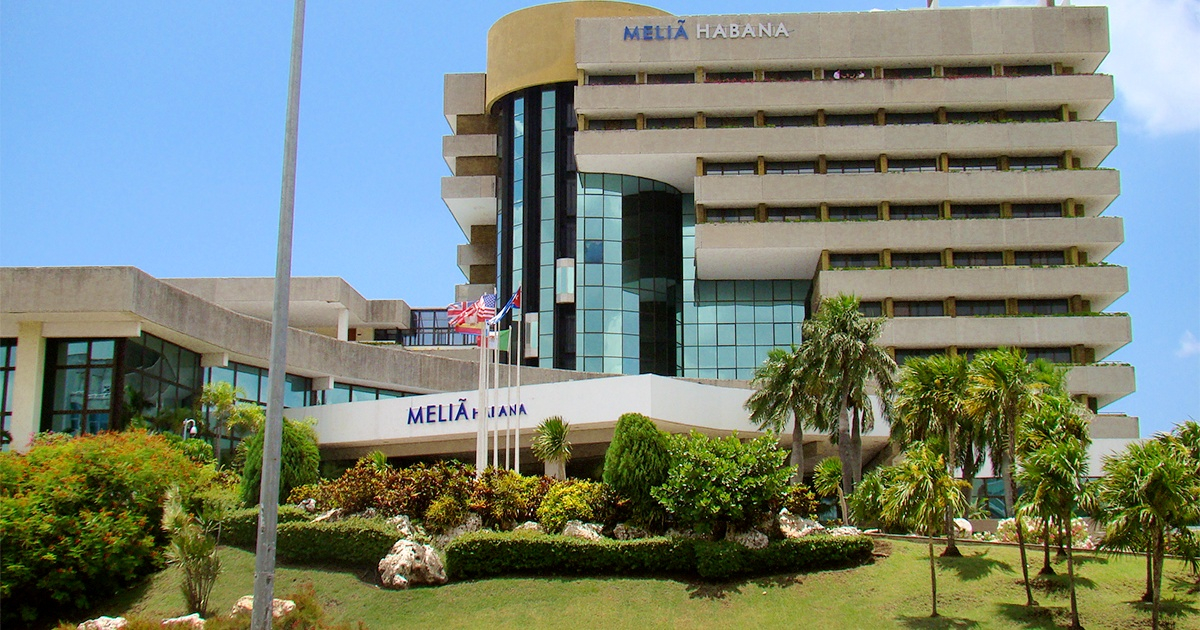
Meliá Hotels International reported a dramatic decline in net profits for the first half of 2026, earning just 4.1 million euros—a staggering 95% drop compared to the same period the previous year.
The company confirmed this financial downturn in a report submitted to the National Securities Market Commission, as cited by EFE this Thursday.
The significant financial hit stems from a 79.4 million euro provision set aside by the Mallorca-based hotel chain to cover the uncertain recovery of their balances and assets in Cuba.
On July 24, Meliá completed its full withdrawal from the island, marking the end of a 36-year uninterrupted presence in the Caribbean nation.
The company acknowledged the weight of this decision but justified it as a prudent financial measure.
"Opting to conservatively provision for all Cuban balances and assets, whose recovery is currently unpredictable, has a significant impact on this year's financial statements, but it strengthens the group's balance sheet's solidity, transparency, and credibility," stated the executives.
Excluding this extraordinary impact, Meliá's operational business remains robust: net income from continuing activities would have reached 83.4 million euros, consistent with the previous year.
Consolidated revenues increased by 7.1%, totaling 1,047.4 million euros, while the average revenue per available room (RevPAR) rose by 11.7% compared to the first half of 2025.
The provision was managed through Ilha Bela Gestão e Turismo, the Portuguese subsidiary responsible for Meliá's 14,053 rooms in Cuba since May 1990.
The Gradual Exit from Cuba
The process of leaving Cuba was gradual. On June 3, the chain exited 15 hotels associated with the military conglomerate GAESA, following sanctions from an Executive Order signed by President Donald Trump on May 1.
On July 13, new sanctions from the United States Department of the Treasury targeted the Cuban Ministry of Tourism and nine additional entities, leaving Meliá with no legal means to continue its operations on the island.
By July 21, Meliá announced its complete cessation of operations in Cuba, effective three days later.
Iberostar, Barceló, and other international hotel chains also departed the island between May and July 2026, affecting over 30,000 hotel rooms in Cuba.
Financial markets, rather than punishing the decision, welcomed it with relief. Deutsche Bank continues to recommend Meliá as its sole buy among European hotel chains, with a target price of 13 euros per share.
Banco Sabadell described the presence in Cuba as "a source of uncertainty that has been penalizing the group for years."
Looking ahead, Meliá is sticking to its expansion plans. The company has already signed contracts for 17 new hotels comprising 3,816 rooms so far in 2026 and aims to close the year with at least 40 new agreements, all structured with low capital intensity.
Impact of Meliá's Exit from Cuba
What caused Meliá's profits to drop by 95%?
The drastic drop in profits is attributed to a 79.4 million euro provision made by Meliá to cover the uncertain recovery of its Cuban assets and balances.
How did financial markets react to Meliá's decision to leave Cuba?
Financial markets reacted positively, with Deutsche Bank maintaining Meliá as its only buy recommendation among European hotel chains, citing the move as a relief.
What are Meliá's plans for expansion in 2026?
Meliá plans to expand by opening 17 new hotels with 3,816 rooms and aims to finalize at least 40 new contracts by the end of 2026, focusing on low capital-intensive structures.