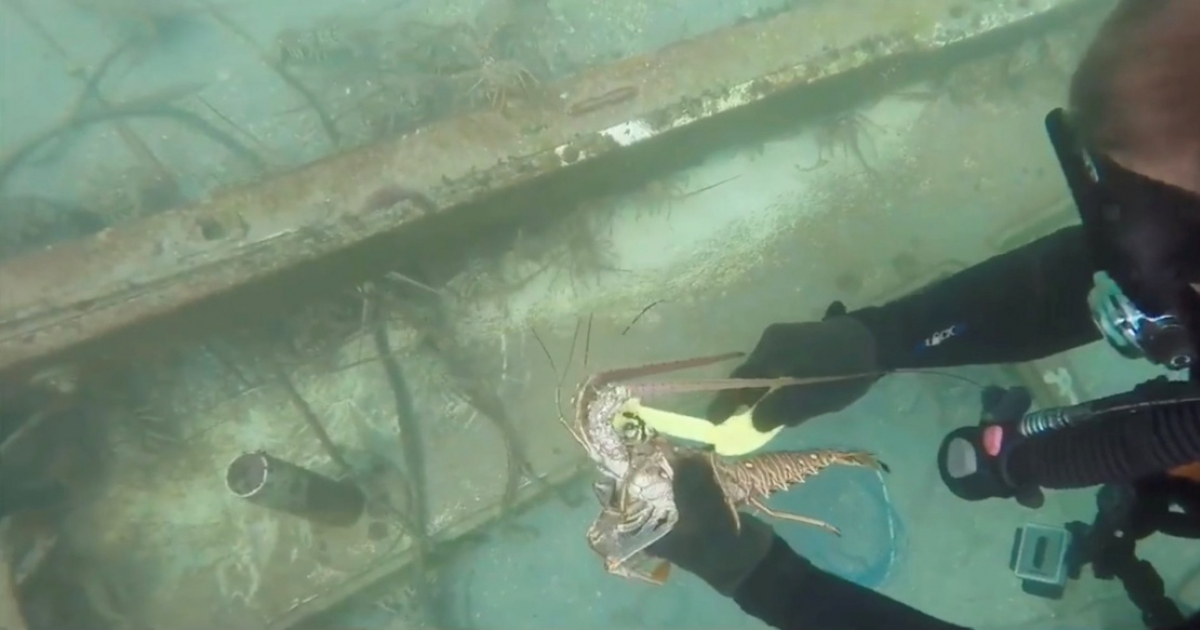
The recreational mini-season for spiny lobster fishing in Florida began at 12:01 a.m. this Wednesday and will continue until midnight on Thursday, July 30, as announced by the Florida Fish and Wildlife Conservation Commission (FWC).
Each year, this event draws thousands of fishermen, divers, and boaters to the southern waters of the state, particularly targeting areas such as Miami-Dade, the Florida Keys, and Monroe County.
End Date and What Follows
The window for sport catching closes at 11:59 p.m. on Thursday, July 30. The regular spiny lobster season will commence on August 6, 2026, and will run through March 31, 2027.
Catch Limits by Area
In Monroe County and Biscayne National Park, the daily limit is set at six lobsters per person; elsewhere in Florida waters, the limit is twelve. On Wednesday, possession outside of the water is capped at the equivalent of one day's limit. By Thursday, the allowance doubles, provided that catches are legally made on both days.
These limits pertain only to those actively fishing with the necessary licenses. The quota cannot be extended to children, passengers, or others not involved in the catch.
Minimum Size and Measurement Guidelines
Each lobster must be measured while still in the water. The carapace must exceed three inches, measured from the front edge between the horns to the rear edge, excluding the tail. Lobsters that do not meet this size requirement must be released immediately.
Key Prohibitions
As reported by Telemundo 51, violations are considered criminal offenses in Florida and may result in jail time. Major prohibitions include:
- Removing the tail from the body in state waters.
- Harvesting females with attached eggs.
- Using tools that puncture or damage the shell.
- Conducting night diving in Monroe County during the event.
- Lobster capture is banned year-round in Everglades National Park, Dry Tortugas National Park, and exclusion zones of the Florida Keys National Marine Sanctuary.
Licenses and Permits Required
To participate legally, two documents are necessary: a recreational saltwater fishing license and a specific lobster permit. The lobster permit costs $5 annually for residents. The annual saltwater license is priced at $17 for residents and $47 for non-residents. Both can be obtained online at GoOutdoorsFlorida.com or myfwc.com.
Water Safety Tips
The Coast Guard issued pre-season warnings about common risks. Scott Szczepaniak, a boating safety specialist for the Southeast District, highlighted, "One of the most common ways we've seen individuals get injured is through collisions with other vessels, bridges, or the seabed."
Miami-Dade Fire Rescue spokesperson Erika Benítez emphasized the importance of not diving alone: "Always dive with a buddy, never go solo."
According to Divers Alert Network (DAN) data, the mini-season has averaged two diving fatalities per season over the past decade.
Pete Sanchez from the Miami Fire Department offered practical advice: "Before heading out to sea, it's crucial to stay hydrated with plenty of water. Use sunscreen, sunglasses, and hats, and keep an eye on children and the elderly, who are the most vulnerable."
Frequently Asked Questions about the Lobster Fishing Season
What are the dates for the spiny lobster mini-season in Florida?
The mini-season for spiny lobster fishing in Florida starts at 12:01 a.m. on the last Wednesday of July and ends at 11:59 p.m. on the following Thursday.
What is the daily possession limit for lobsters in Monroe County?
In Monroe County, the daily possession limit is six lobsters per person.
Are there any prohibited activities during the lobster mini-season?
Yes, prohibited activities include removing lobster tails from bodies in state waters, harvesting females with eggs, using damaging tools, night diving in Monroe County, and capturing lobsters in specific protected areas.