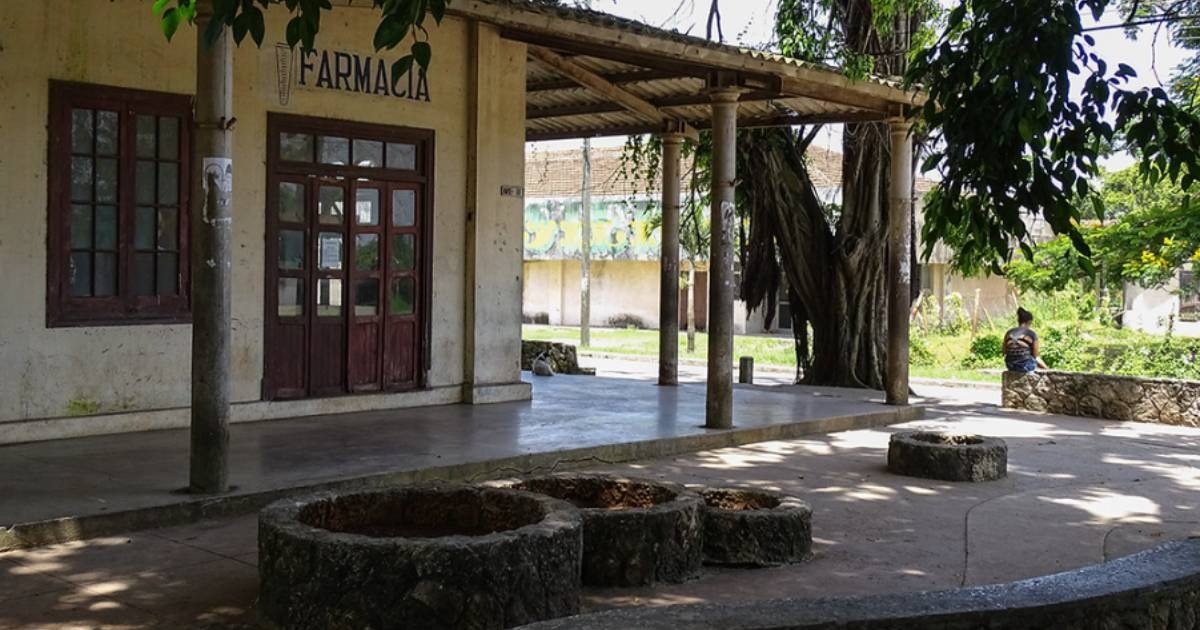
The Cuban government has taken a significant step this Tuesday by lifting a long-standing restriction on the private sector. Under a state license, micro, small, and medium-sized enterprises (MSMEs) and non-agricultural cooperatives are now authorized to offer pharmaceutical, optical, care, and rehabilitation services.
This development is formalized in Decree 160/2026, published in the Official Gazette No. 62, and signed by Prime Minister Manuel Marrero Cruz on July 22. The new regulation replaces Decree 107 of 2024, redefining which activities are allowable, prohibited, or conditional for non-state economic actors.
Previously, the repealed decree explicitly banned pharmaceutical and optical services. However, the revised text categorizes these as "authorizable or conditional activities," thereby permitting private companies and cooperatives to engage in them, provided they secure the necessary authorization from health authorities.
State Control with a Loophole
While the state retains control over medical and dental services within and outside the National Health System, an exception is made for pharmaceutical services. "Pharmaceutical, optical, care, and rehabilitation services can be authorized and operated by private enterprises, MSMEs, and non-agricultural cooperatives," states Decree 160.
Furthermore, the decree stipulates that any activity not explicitly listed as prohibited or conditional is considered permitted, subject to the required licenses, certifications, or authorizations dictated by specific regulations.
Pharmaceutical Manufacturing Now an Option
Another groundbreaking change is the allowance for the private manufacturing of pharmaceutical products. The decree now includes this as an authorizable activity, though it requires permission from the Ministry of Public Health (MINSAP) and the competent regulatory authority. Moreover, it specifies that such manufacturing must occur in collaboration with the state-run biopharmaceutical industry, maintaining governmental oversight of this strategic sector.
This decision comes amid a severe crisis in Cuba's pharmaceutical system. Over the past two years, authorities have repeatedly acknowledged severe supply issues. At various points, the Ministry of Public Health has admitted that the availability of essential medications falls significantly short of the country's needs, while state-run pharmacies continue to struggle with shortages of critical drugs.
Waiting Period for Private Pharmacy Openings
Despite the lifting of the general prohibition, private pharmacies will not spring up overnight. The decree mandates that regulatory bodies have seven days to finalize the necessary procedures, requirements, authorization modes, and supervisory mechanisms to implement the new regulations. The decree will officially take effect seven days after its publication, on August 4, 2026.
In practice, the opening of private pharmaceutical establishments hinges on the guidelines issued by the Ministry of Public Health, which will determine the conditions for authorizing such activities.
Furthermore, Decree 160 requires the Council of Ministers to review the decree's content at least every two years, based on a proposal from the National Institute of Non-State Economic Actors, to update the list of prohibited or conditional activities.
Understanding Cuba's New Pharmaceutical Landscape
What does Decree 160/2026 permit for private enterprises in Cuba?
Decree 160/2026 allows micro, small, and medium-sized enterprises (MSMEs) and non-agricultural cooperatives to offer pharmaceutical, optical, care, and rehabilitation services under a state license.
Does the new decree allow private pharmaceutical manufacturing?
Yes, private manufacturing of pharmaceutical products is now permitted, but it requires authorization from the Ministry of Public Health and must be conducted in partnership with the state biopharmaceutical industry.
When will the new regulations take effect?
The regulations will come into effect on August 4, 2026, seven days after their publication in the Official Gazette.
What challenges does Cuba's pharmaceutical sector currently face?
Cuba's pharmaceutical sector is grappling with severe supply shortages, with the availability of essential medications falling significantly below the country's needs, as acknowledged by health authorities.