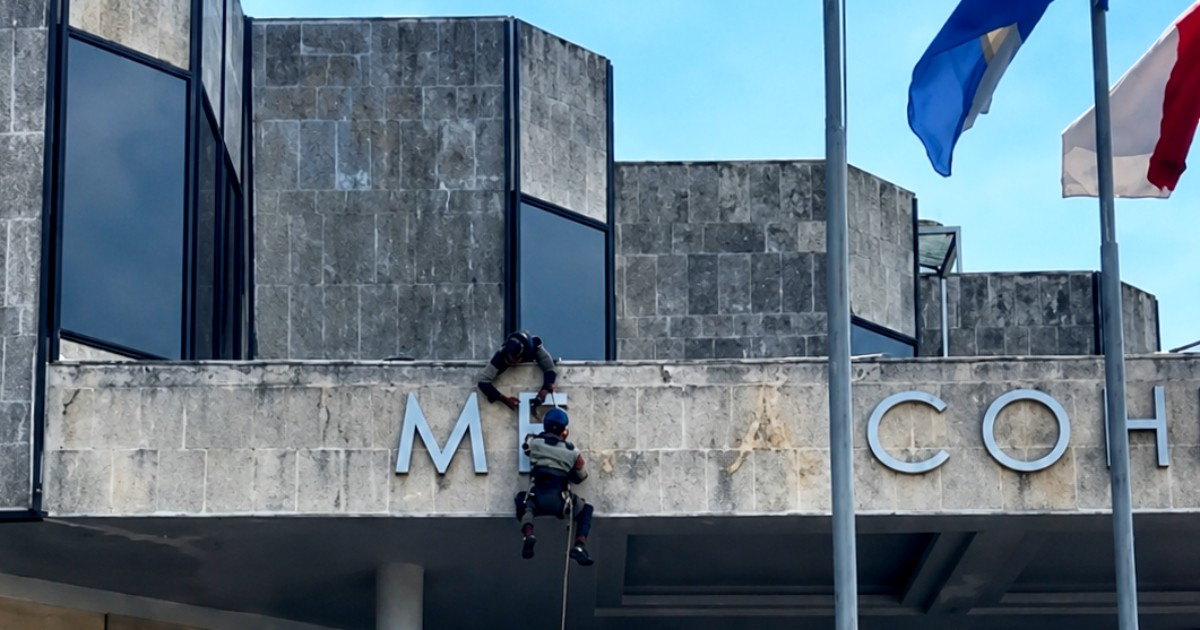
On Monday, workers began taking down the Meliá signage from the facade of the Hotel Cohíba in Havana. This image quickly spread across social media, symbolizing the conclusion of over three decades of the Spanish chain's presence in Cuba.
Just four days prior, Meliá had completed its full withdrawal from the 34 hotels it managed on the island, marking the end of its 36-year continuous operations in the country.
The Cohíba holds a special place in this narrative. Opened on May 31, 1995, in the Vedado district of Havana, across from the Malecón, it was the first urban hotel in Havana entirely managed by Sol Meliá. With 462 rooms, the hotel's opening was attended by dictator Fidel Castro.
For thirty years, it stood as the most prominent representation of the regime's endeavor to transform tourism into an economic engine for the island.
Meliá's exit was executed in two phases, driven by sanctions from the Trump administration.
On June 3, 2026, the chain announced the immediate cessation of its involvement with 15 hotels linked to GAESA, the enterprise conglomerate of the Cuban Armed Forces, following an Executive Order that sanctioned the entity and set a deadline of June 5 to sever ties.
On July 13, Washington expanded sanctions to include the Cuban Ministry of Tourism and nine other state entities, eliminating any legal room to continue operating the remaining hotels.
Meliá wasn't the only one to leave. On July 21, Iberostar confirmed it no longer operated or marketed any hotels in Cuba, after initially withdrawing from 12 establishments linked to Gaviota since June 1.
Similarly, Barceló announced it would not renew its contracts in Cuba starting in 2027.
Prior to this wave of departures, around 20 foreign hotel chains—ten of them Spanish—managed over 100 hotel contracts on the island.
The tourism model that the Cuban regime had showcased for decades as a display of foreign investment and a source of foreign currency now faces an unprecedented scenario: major international chains have left the island, and the sector is experiencing years of declining visitor numbers, power outages, and shortages that deter both tourists and investors.
The removal of the Meliá letters from the Cohíba encapsulates the depth of this collapse in a single image.
Impact of Meliá's Departure from Cuban Tourism
Why did Meliá withdraw from Cuba?
Meliá withdrew due to intensified sanctions from the U.S. government, specifically targeting Cuban military-linked entities and the Ministry of Tourism, leaving no legal room to continue operations.
What was the significance of Hotel Cohíba in Havana?
Hotel Cohíba was the first urban hotel in Havana managed entirely by Sol Meliá, symbolizing the regime's strategy to use tourism as a key economic driver. Its opening was a significant event attended by Fidel Castro.
How have international hotel chains responded to the situation in Cuba?
International hotel chains such as Iberostar and Barceló have also ceased operations in Cuba, reflecting a broader trend of withdrawal due to the challenging economic and political environment.