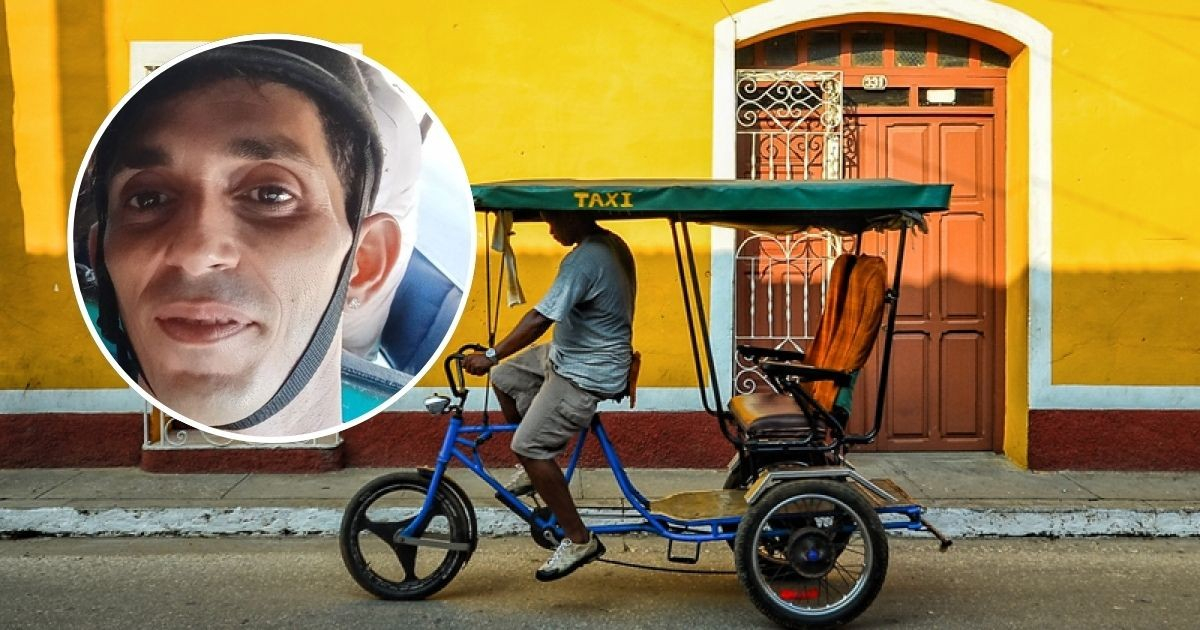
A young bicitaxi driver in Havana has become a beacon of solidarity after his touching story went viral on Facebook. He offers rides to the elderly and charges them only what they can afford, disregarding the usual fare.
This heartwarming tale was shared by Susana Angela Borges González in a Facebook post that quickly gained traction across social media platforms.
Borges recounted her morning ride towards the Línea tunnel, noting the driver's welcoming response when she asked if he could take her there: "I'll go wherever you need to go."
During their journey, an elderly man boarded and inquired about the cost. The young driver replied without hesitation, "Pay what you can, sir." The elderly man, nearly in tears, handed over 100 pesos for a trip that others might charge up to 250 pesos.
Shortly thereafter, near 60th Street, a modestly dressed woman in Yoruba attire hailed the bicitaxi. When she asked the price, she received the same considerate reply. She struggled to board, paid 150 pesos upon alighting, expressed her gratitude, and blessed the young man, wishing for more people like him.
The driver charged the other passengers fares similar to what they had previously paid other drivers for similar distances.
At the end of the ride, Borges requested a photo with him. He revealed that he recognizes many people lack financial resources, and charging according to each person's ability is, in his words, "his way of helping." Borges never asked for his name.
In her post, Borges González summed it up poignantly: "We live in a society where the elderly are marginalized and excluded. An elderly person with an average pension in this country can't afford to feed themselves, let alone pay for transportation. This is Exclusion."
She concluded about the anonymous young man, "For a people enduring the hardships that Cubans face today, replicating such acts of kindness would be wonderful."
This gesture takes place amidst severe dehumanization and an almost complete collapse of public transportation in Havana: state-run passenger services plummeted by 93% between January and September of 2025.
For instance, residents of Havana have been known to wait up to seven hours for a bus and even walk through the bay tunnel on foot.
With the collapse of bus services, bicitaxis and electric tricycles have become vital alternatives for getting around Havana.
However, one user mentioned spending nearly 1,000 pesos daily when covering long distances, which amounts to a quarter of the current minimum pension in just one day.
Understanding the Transportation Crisis in Havana
Why are bicitaxis becoming essential in Havana?
Bicitaxis have become crucial due to the near-total collapse of public transportation in Havana, with state-run services decreasing by 93%, prompting residents to seek alternative means of travel.
How long do people in Havana wait for public buses?
Havana residents can wait up to seven hours for a public bus, highlighting the dire state of the city's transportation system.
What is the impact of transportation costs on Havana's elderly?
Transportation costs significantly strain Havana's elderly, as their pensions often fall short of covering both food and travel expenses, leading to social exclusion.