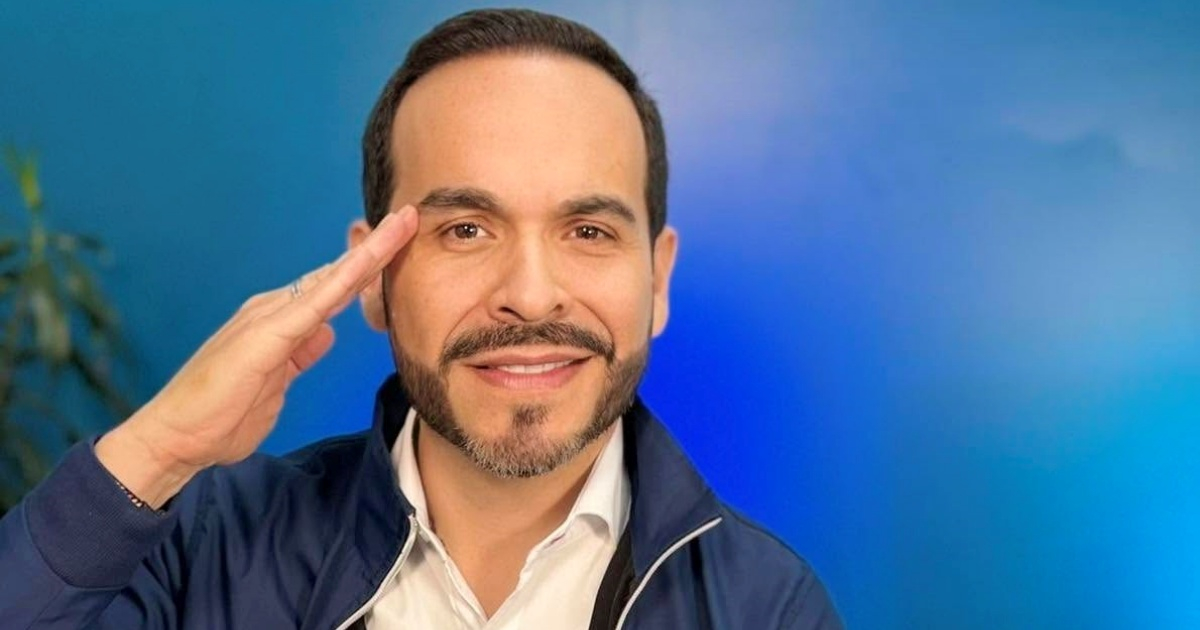
Abelardo de la Espriella, the newly elected president of Colombia, unveiled a bold diplomatic overhaul on Monday. His plan involves shutting down 14 embassies and around 15 consulates, as well as severing all ties with Cuba and Nicaragua, which he labeled as "tyrannies."
Having secured the presidency with 49.66% of the vote in June, De la Espriella is set to take office in Cali on August 7. He described this move as an "optimization" of Colombia’s foreign service.
Clear Break with Authoritarian Regimes
De la Espriella's most emphatic statement was directed towards Havana and Managua: "In my administration, there will be no ties with tyrannies," he declared, emphasizing that Cuba and Nicaragua are the only nations with which Colombia will completely cut diplomatic relations.
While distinguishing between embassy closures and a total diplomatic break, De la Espriella clarified that the latter applies exclusively to Nicaragua and Cuba. "These decisions do not imply cutting diplomatic ties with those nations or multilateral organizations, except for Cuba and Nicaragua," he explained.
Continued Consular Services
For other affected countries, he assured consular service through alternative missions. "Colombia will maintain international relations and ensure service to our nationals through concurrent representation from other regional embassies," he specified.
Embassy Closures Announced
De la Espriella listed the embassies to be closed in the initial phase. "I will close the embassies in Algeria, Azerbaijan, Barbados, Cuba, Czech Republic, Ethiopia, Ghana, Haiti, Hungary, Malaysia, Nicaragua, Romania, Senegal, and South Africa," he noted. Furthermore, he will halt the opening of an embassy in Palestine, a project initiated by outgoing President Gustavo Petro that never materialized.
Regarding redundant missions, he was straightforward: "There are embassies that need consolidation. For instance, in Paris, we have both the embassy in France and at UNESCO. We must merge them, similar to Rome, where we have embassies to Italy and the FAO. It will be unified."
Focus on Efficiency and National Interests
De la Espriella framed the restructuring within a vision of efficiency and austerity. "Colombia needs a diplomacy that is modern, efficient, and serves national interests, not political maneuvering and bureaucracy," he asserted.
The economic rationale was equally clear: "We cannot maintain such an expensive structure that yields no tangible results for the country." He added, "Every peso saved on bureaucracy can be invested in security, health, education, infrastructure, and, above all, opportunities for the poorest."
Within his first 100 days, he plans to initiate a technical audit of other diplomatic missions to assess their viability.
Radical Shift from Petro’s Policies
This announcement marks a complete reversal of the outgoing government's foreign policy. Former President Petro had used Cuba as a venue for peace talks with the ELN, sent humanitarian aid to the island, and broke ties with Israel in 2024. De la Espriella intends to overturn these decisions by reopening the Colombian embassy in Jerusalem and establishing a new mission in Nigeria.
The incoming administration had already signaled its intent to close the embassies in Cuba and Nicaragua on July 9, as announced by designated Foreign Minister Omar Bula.
In a regional context, Costa Rica closed its embassy in Cuba in March 2026 due to deteriorating human rights, a precedent that Colombia now surpasses with a full diplomatic break.
Historically, Colombia has severed relations with Havana twice before: first in 1961 and then again in 1981, with relations restored in both instances years later.
During his campaign, De la Espriella even proposed that Cuba should become a U.S. Free Associated State, akin to Puerto Rico.
Frequently Asked Questions about Colombia's Diplomatic Changes
Why is Colombia cutting ties with Cuba and Nicaragua?
President-elect Abelardo de la Espriella has labeled Cuba and Nicaragua as "tyrannies" and aims to have no diplomatic relations with authoritarian regimes.
What will happen to Colombian nationals in the countries where embassies are closing?
Colombian citizens will still receive consular services through alternative missions in the region.
How does this decision affect Colombia's foreign policy?
This move signifies a sharp departure from the previous administration's policies, focusing on efficiency and national interests.