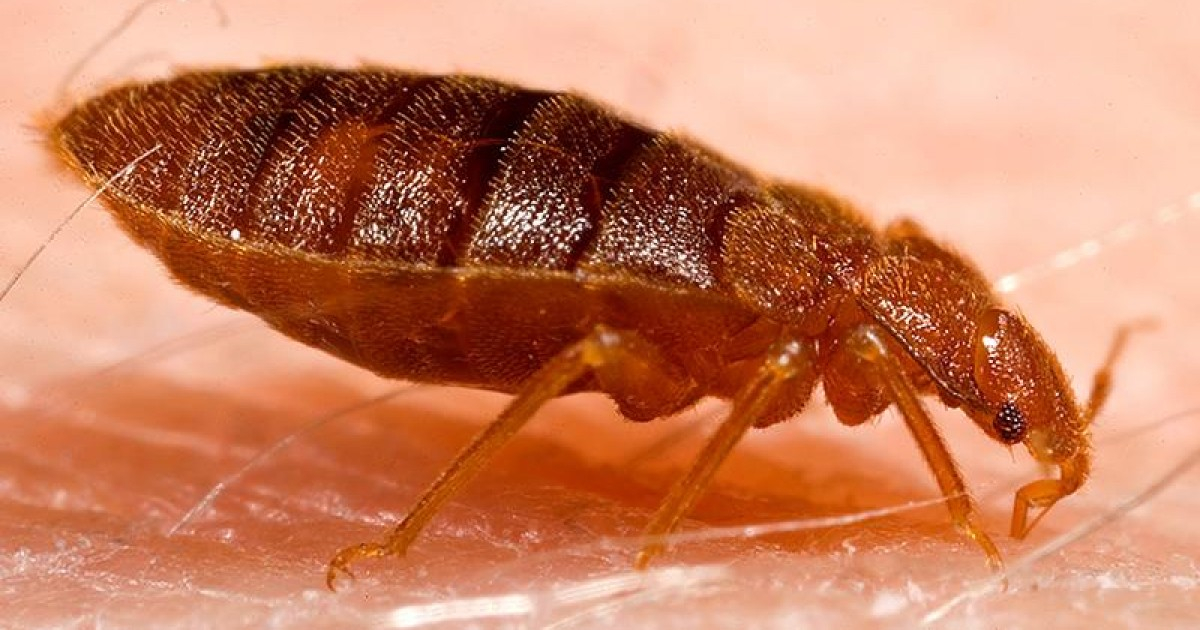
An outbreak of bedbugs is spreading through various neighborhoods in Havana, where infested mattresses and sofas are being discarded on street corners. In a desperate attempt to prevent these pests from taking over their homes, residents have resorted to burning furniture in the streets, as reported by the independent media outlet 14ymedio.
While bedbug infestations are not a new issue in Cuba, the severity with which they have hit the capital is unprecedented. The first signs of this problem emerged in Santiago de Cuba in 2023, where authorities admitted they lacked the resources to tackle it. The infestation then spread to Sancti Spíritus and Holguín, eventually making its way to Havana. Many residents describe it as a silent invasion, creeping from one piece of furniture to another, and from one building to the next.
Residents Struggle to Cope
Gerardo, a 78-year-old resident of Lawton, shares that he had never seen a bedbug until he discovered hundreds hiding in the seams of his sofa. "I thought being without electricity, water, and internet was the worst... but now we've found bedbugs in our home. Bedbugs! The worst thing that could happen to us right now," he laments. He had to discard both his sofa and mattress, attributing the infestation to the pile of garbage accumulating outside his building: "It seems that was what brought the pests into our home."
Desperate Measures Taken
In El Vedado, residents took more drastic measures. Ana María recounts how a group of neighbors set fire to a trash dumpster after tossing in two infested mattresses: "People were afraid the bugs would invade their homes, so they set it on fire." The toxic smoke from burning foam, fabrics, and plastic adds to the already poor air quality in a city where burning trash has become a norm due to the breakdown of waste collection services.
Those seeking solutions find themselves at a dead end. An insecticide vendor at the Tulipán market admits that demand has skyrocketed but his supply is inadequate: "Lately, many have asked for bedbug poison, but I only have products for ants and cockroaches." He highlights a core issue: "Getting rid of this pest requires a lot of hygiene, like washing bed linens at high temperatures, but most people can't do that because if it's not a power outage, it's a water shortage."
Challenges of Combatting the Infestation
Structural challenges make it nearly impossible to halt the spread. As of February 2026, only 44 of Havana's 106 garbage trucks were operational due to diesel shortages and mechanical failures, leaving up to 23,814 m³ of trash uncollected daily. Power outages lasting up to 20 hours hinder the ability to wash clothes at temperatures high enough to kill bedbug eggs and larvae, a critical step in eradicating the pests. To make matters worse, Cuban studies have found that local bedbug strains show significant resistance to cypermethrin, the only insecticide available in the country, with resistance factors reaching 21.6.
The infestation has previously affected health centers and public services. In June, a severe infestation was reported at the Maternity Hospital in Matanzas, putting pregnant women and newborns at risk. A mother from Bauta, in Artemisa, shared that she had to burn her mattress after cypermethrin proved ineffective. In April, authorities in Antilla, Holguín, acknowledged that Cuba has been battling a nationwide bedbug problem for at least two years, impacting hospitals, nursing homes, schools, hotels, and private residences.
The Ministry of Public Health has yet to release any official response to this crisis. Gerardo sums up the situation with bitterness: "Havana, the entire island, is one gigantic dump."
Addressing the Bedbug Crisis in Havana
Why is the bedbug infestation particularly severe in Havana?
The infestation is severe in Havana due to a combination of factors such as lack of resources to combat the pests, structural issues like insufficient garbage collection, and resistance of local bedbug strains to available insecticides.
What measures can residents take to fight bedbug infestations?
Residents can try to maintain high hygiene standards, wash bedding at high temperatures, and reduce clutter. However, these measures are challenging due to frequent power outages and water shortages.
How has the government responded to the bedbug crisis?
The Ministry of Public Health has not provided an official response to the ongoing bedbug crisis, leaving residents to fend for themselves in addressing the infestation.