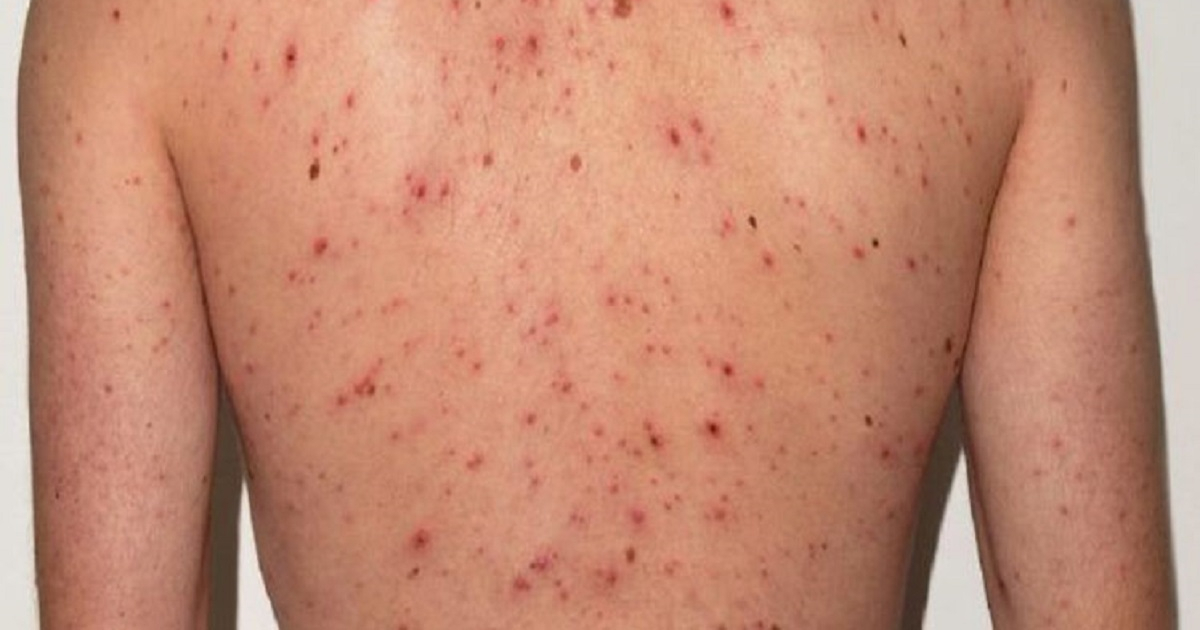
As of July 23, 2026, Florida has recorded 141 confirmed measles cases, marking it as the fifth state with the highest number of infections in the United States, according to the latest data from the Centers for Disease Control and Prevention (CDC).
This sharp increase is alarming compared to previous years: Florida reported only eight cases in the entirety of 2025 and 11 in 2024. This rise to 141 cases represents a nearly 18-fold increase in just one year, as highlighted by News4JAX.
Florida is surpassed by only four states in the 2026 count: South Carolina with 670 cases, Utah with 522, Texas with 188, and Virginia with 176.
States like Pennsylvania, with 134 cases, and Arizona, with 108, trail behind Florida.
The national situation is equally concerning: by July 23, there were 2,318 confirmed cases across the country, already exceeding the total of 2,289 cases recorded throughout 2025. This trend points to 2026 potentially being the worst year for measles in decades.
Florida is among the 45 jurisdictions reporting cases in 2026, along with an additional 16 infections identified among international visitors.
The Outbreak's Epicenter: Collier County
The center of the outbreak in Florida was Collier County, specifically at Ave Maria University, a small Catholic institution in the eastern part of the county where the first cases emerged in late January 2026.
By February 4, 12 students were infected; a week later, the number rose to 20, with 14 more cases pending results.
As of March 21, Collier accounted for 104 of the 143 state cases, representing 73% of Florida's total, with most affected individuals being young people aged 15 to 24.
National Perspective on Measles Outbreaks
Nationally, 93% of the 2026 cases—2,153 out of 2,318—are linked to outbreaks, with 35 new outbreaks reported this year, compared to 48 in 2025 and 16 in 2024.
A significant factor contributing to this surge is the declining vaccination coverage: in Florida, only 88.1% of preschoolers have received the measles, mumps, and rubella (MMR) vaccine, far below the 95% threshold needed for herd immunity.
Nationally, MMR coverage among preschool children dropped from 95.2% in the 2019-2020 school year to 92.5% in 2024-2025, leaving around 286,000 children unprotected, according to the CDC.
In 2026, 93% of cases involve unvaccinated individuals or those with unknown vaccination status, a pattern that also emerged in 2025.
Regarding clinical severity, there have been 151 hospitalizations and no deaths from measles nationwide in 2026, contrasting with the three deaths—two children in Texas and one adult in New Mexico—resulting from the 2025 outbreak.
Measles was declared eliminated in the United States in 2000 due to decades of widespread MMR vaccination. However, the persistent decline in immunization rates and increased global virus activity have rapidly reversed this achievement.
Health officials emphasize that measles is among the most contagious diseases known and advocate vaccination as the most effective measure to prevent its spread, recommending it for both children and unvaccinated adults.
Measles Outbreak Concerns and Prevention
Why has there been a significant increase in measles cases in Florida?
The dramatic rise in measles cases in Florida is largely attributed to a decline in vaccination coverage, with only 88.1% of preschoolers receiving the MMR vaccine, well below the necessary 95% for herd immunity.
How is the national measles situation in the United States in 2026?
As of July 23, 2026, the United States reported 2,318 confirmed measles cases, surpassing the total for 2025, indicating a potentially record-breaking year for measles.
What measures can be taken to prevent the spread of measles?
Vaccination is the most effective tool for preventing measles. Health authorities recommend the MMR vaccine for both children and unvaccinated adults to curb the disease's spread.