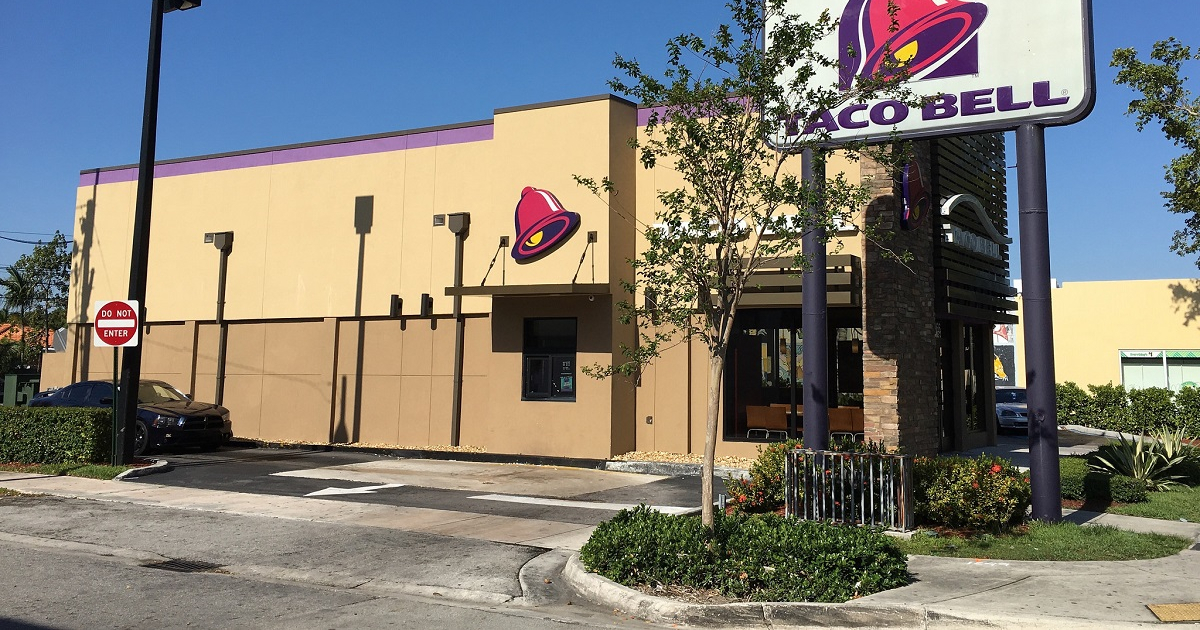
The United States is currently experiencing its largest recorded outbreak of cyclosporiasis, which is severely impacting the restaurant and supermarket sectors. According to CBS News on Friday, this has led to a significant drop in customer traffic and a sharp decline in lettuce sales.
The Centers for Disease Control and Prevention (CDC) have confirmed that the outbreak, traced back to shredded iceberg lettuce sourced from central Mexico and distributed by Taylor Farms, has spread to nine states: Indiana, Kentucky, Michigan, Ohio, West Virginia, Illinois, Kansas, Oklahoma, and Pennsylvania.
The CDC reported that 1,947 individuals who dined at Taco Bell between June 22 and July 20 were infected, resulting in at least 98 hospitalizations, though fortunately, no fatalities have been recorded.
Nationwide, confirmed cases have exceeded 4,000, with an additional 7,400 potential cases under investigation.
Economic Impact and Consumer Behavior
The financial repercussions have been swift and severe. On July 17, the day Taylor Farms announced a voluntary recall of its lettuce, foot traffic analysis platform Placer.ai noted a nearly 31% decline in visits to Taco Bell compared to its average Friday attendance earlier in the year, marking the steepest drop across all chains evaluated.
On July 18, Taco Bell experienced a 29.8% decrease compared to a typical Saturday. Other chains also suffered: Chopt saw a 24% drop, Panera Bread 9.1%, and both Cava and Sweetgreen 4.7%.
Supermarkets are feeling the effects too. Stew Leonard's, a chain with eight locations in New York, New Jersey, and Connecticut, reported an approximate 11% decrease in lettuce sales.
Stew Leonard Jr., the president and CEO of the chain, expressed growing consumer confusion: "There's a lot of uncertainty in the stores right now," he told CBS News. "Customers are questioning if they can eat lettuce and are avoiding it. This hesitation is likely why our sales have dropped."
Conflicting Messages and Public Anxiety
The confidence crisis has been exacerbated by mixed signals from authorities. On July 18, the Food and Drug Administration (FDA) announced that a Taylor Farms lettuce sample tested positive for Cyclospora; however, the following day, they retracted, stating it was a false positive.
Despite Health Secretary Robert F. Kennedy Jr. assuring the public that the outbreak is "under control," the spread of the illness and the mounting number of confirmed cases have left the public anxious.
Molly McPherson, a crisis communication expert, commented, "The scientific information is unclear. The regulations are unclear. Much of this situation hinges on the confusion surrounding it."
Impact on Independent Eateries
Independent businesses are also suffering. Sean Alexander, owner of Build-A-Salad in Chattanooga, Tennessee, mourned the drastic decline from serving 150-200 customers daily to merely 10. "It's a severe blow, and frankly, we're not safeguarded against such situations," he remarked.
In response, Taco Bell introduced a lettuce-free dollar wrap to entice customers back, while Chipotle and Sweetgreen were quick to state that they do not serve iceberg lettuce. However, these efforts have not significantly reversed the drop in patronage.
Understanding the Cyclospora Outbreak
What is causing the cyclospora outbreak in the U.S.?
The outbreak is linked to shredded iceberg lettuce from central Mexico, distributed by Taylor Farms.
How widespread is the cyclospora outbreak?
The outbreak has affected nine states, including Indiana, Kentucky, Michigan, Ohio, West Virginia, Illinois, Kansas, Oklahoma, and Pennsylvania, with over 4,000 confirmed cases.
What measures are being taken to address the outbreak?
Taylor Farms has initiated a voluntary recall of its lettuce, and various food chains are adjusting their menus to avoid using iceberg lettuce.