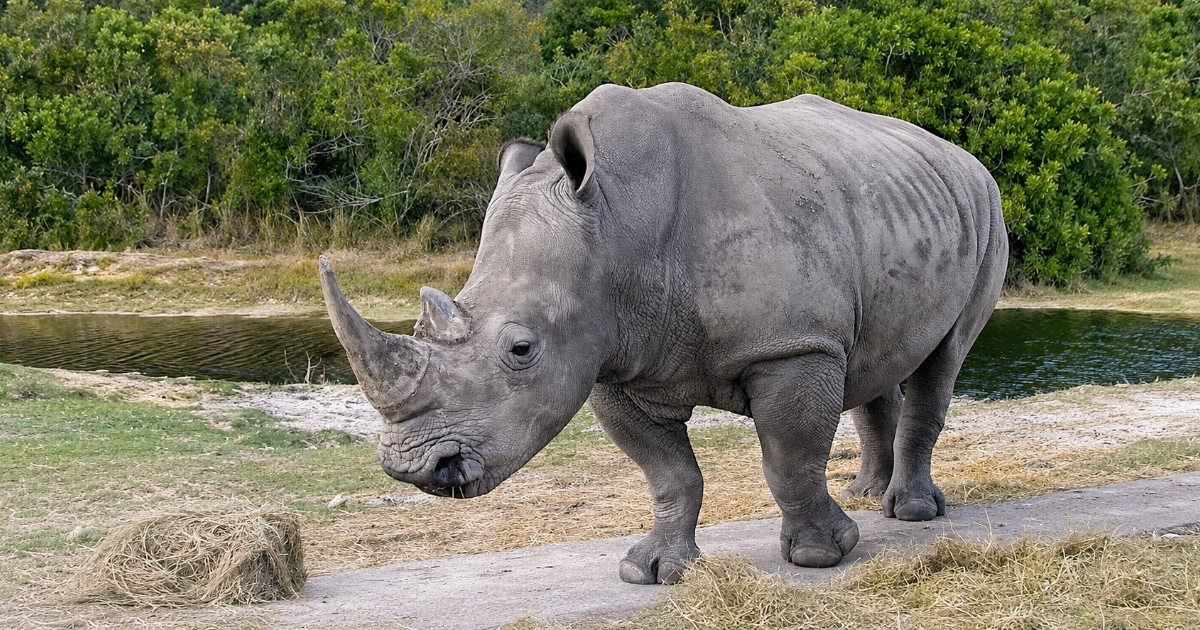
A diverse array of animals including kangaroos, monkeys, gigantic lizards, snakes, and a nearly 2,000-pound white rhinoceros have been among the more than 140 creatures that have fled captivity in Florida from 2022 to 2026.
These escapes have occurred from a range of locations, such as private homes, commercial enterprises, wildlife sanctuaries, and accredited zoos. Many of these animals belong to exotic, non-native species that require a state-issued license for ownership.
One of the most alarming incidents took place in September 2022 at Wild Florida park in Kenansville, Osceola County. A white rhinoceros, intended for a new exhibit, managed to break out of both its primary and secondary enclosures and was ultimately shot by park staff.
The U.S. Department of Agriculture found that the facility had violated the Federal Animal Welfare Act, leading to Wild Florida paying a $9,000 fine without admitting or denying responsibility.
In another notable event in October 2024, in Pierson, Volusia County, a bear destroyed the enclosure of a kangaroo, which then bounded along rural roads while stunned locals captured the escapade on video. The kangaroo was eventually found in a pasture and tranquilized, and its owner was fined $400 for failing to maintain a valid license.
The Florida Fish and Wildlife Conservation Commission (FWC) records reveal nearly two dozen escapes solely in Central Florida. These include a siamang at Disney's Animal Kingdom that fell from a rope but stayed within the public perimeter, a howler monkey that slipped through a gap during a water bowl change at the Brevard Zoo, a lesser yellow-headed vulture that flew out of a Universal Studios theater during a show, and Burmese and reticulated pythons as long as eight feet found under vehicles or on sidewalks without identified owners.
The reasons for these escapes are as varied as the species themselves: faulty locks, inappropriate cage materials, maintenance oversights, storm damage, and even a bear that knocked down a fence.
Penalties for such incidents range from verbal warnings to fines between $273 and $450. In extreme cases, like a Bennett's wallaby that escaped twice in December 2024, the owner faced a $450 fine and was sentenced to six months of probation.
The FWC warns that the actual number of escapes is likely higher, as only certain species must be reported when they escape, and owners often neglect to report due to fear of legal repercussions. Florida classifies captive wildlife into three categories: Class I, the most restricted, includes rhinos, elephants, and large cats; Class II contains potentially dangerous animals like howler monkeys and wolves; and Class III covers species such as kangaroos and certain reptiles.
In January 2023, the organization updated its escape reporting rules, expanding owner obligations and introducing new requirements for security barriers and open-roof enclosures. However, it acknowledges that systematic underreporting continues.
Florida is also grappling with a record-breaking invasive species crisis, with Burmese pythons established in the Everglades and Argentine tegus among the top control priorities. Each escape poses a potential threat to the local ecosystem and public safety.
FAQs About Captive Animal Escapes in Florida
What are some examples of animals that have escaped captivity in Florida?
Examples include kangaroos, monkeys, giant lizards, snakes, and a white rhinoceros.
How does Florida classify captive wildlife?
Florida classifies captive wildlife into Class I (most restricted), Class II (potentially dangerous), and Class III (less restricted) categories.
What measures has Florida taken to address animal escapes?
In January 2023, Florida updated its reporting rules, increasing owner obligations and introducing new security requirements for barriers and enclosures.