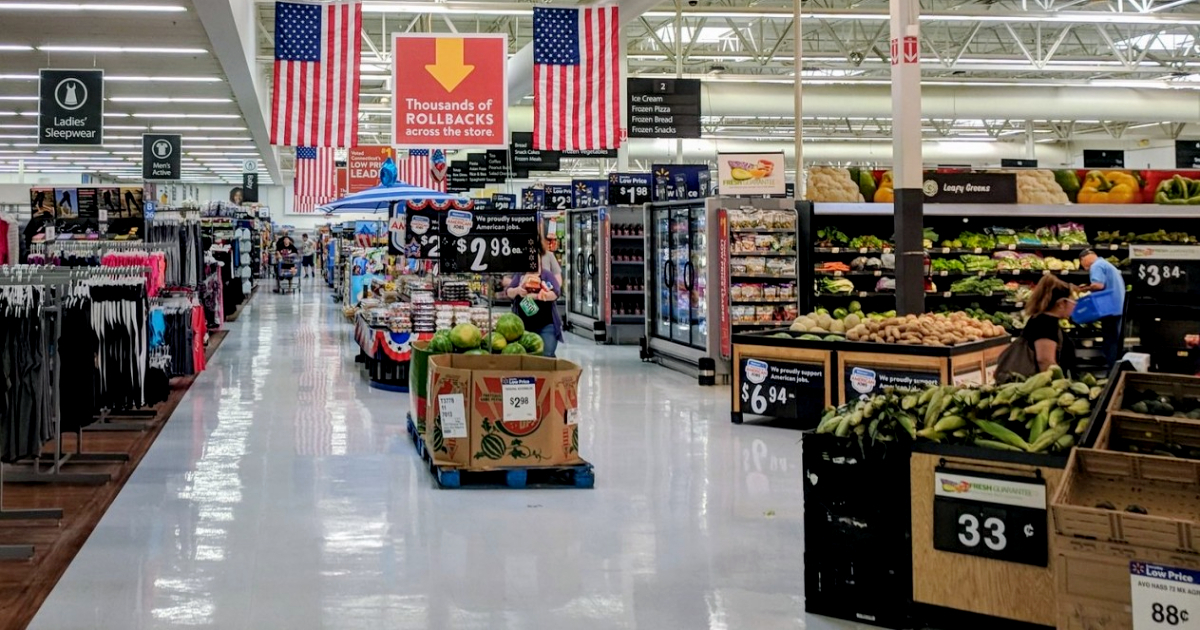
Amidst the most significant rise in food prices in half a century, countless Americans have drastically altered their shopping behaviors. According to the Bureau of Labor Statistics, purchasing groceries to prepare at home now costs a staggering 33% more than it did at the beginning of 2019.
A prime example of this crisis is the cost of beef. As reported by the same federal agency, the price for a pound of ground beef soared to $6.82 in June, marking a 79% increase since early 2019.
Ada Torres, a 60-year-old resident of Cleveland, Texas, is among the many who can no longer afford this staple. Cooking for her daughter and three grandchildren, fresh beef has become a rare sight at her table.
“Prices are through the roof. Nowadays, a hundred dollars barely covers anything,” Torres expressed in an interview with Telemundo. Her family manages only one complete meal per day.
In her household, chicken and processed meats have taken the place of beef. Her grandchildren, aged 12, 15, and 16, miss the ground beef lasagna and beef fajitas that were once regular parts of their diet.
Shopping Strategies in Tough Times
In Lexington, Massachusetts, 50-year-old caregiver and part-time employee Apral Jack has completely revamped her shopping routine. She uses discount apps before heading out, checks weekly flyers for coupons, and compares prices across stores. “The price of the apples I usually buy has gone up here, so I won’t be getting them anymore,” she explained while navigating her cart through a Stop & Shop. The brand-name cookies she once purchased have vanished from her list.
Over in San Francisco, independent barber Jack Chang is under even greater financial strain. With five mouths to feed — and occasionally his 77-year-old mother — he is falling behind on his credit card payments. “I look at my statement every month and wonder: how am I going to pay this?” he confessed. His family relies on the federal food assistance program SNAP to make ends meet. “Without it, I don’t know what I’d do,” he admitted.
Chang's mother visits two food banks each week, sharing eggs, canned goods, and fresh produce with the rest of the family.
Economic and Political Pressures
The situation has worsened due to cuts to the SNAP program following the "One Big Beautiful Bill" signed by President Trump on July 4, 2025, which slashed the program by approximately $186 billion through 2034. New work requirements for adults aged 18 to 65 took effect on February 1, 2026, leading to over 3.5 million people losing their benefits by spring of this year.
External factors add to the internal pressures. The conflict in the Middle East has driven up the costs of energy, fertilizers, and shipping, directly affecting global food prices. The FAO index reached its highest level since September of the previous year in March 2026. Hawaii, heavily reliant on shipped foods, is particularly vulnerable to such fluctuations.
In May 2026, annual food inflation hit 4.2%, with fruits and vegetables rising by 6.1% year-over-year. Beef alone saw a 14.7% increase as of December 2025.
With the midterm elections approaching this fall, food affordability has become one of the most critical political issues for American voters.
Understanding the Impact of Rising Food Prices
Why have food prices increased so dramatically in the U.S.?
The increase in food prices is due to a combination of factors, including supply chain disruptions, increased costs of energy and shipping, and economic policies that have impacted food assistance programs.
How are Americans adapting to higher food costs?
Many Americans are modifying their shopping habits by using discount apps, seeking out coupons, and opting for less expensive alternatives to their usual purchases.
What are the political implications of the food price surge?
The surge in food prices has become a significant political issue, especially with upcoming elections, as voters are increasingly concerned about the affordability of basic necessities.