The province of Guantánamo has reported 23 suspected cases of dengue this week, with the municipalities of Imías and San Antonio del Sur placed under a high epidemiological alert, the most severe warning level according to Cuba's health classification, as announced by Radio Guantánamo on Saturday.
This pressing situation was evaluated during the daily meeting focused on the province's operational, economic, and social conditions. The meeting was led by Yoel Pérez García, the First Secretary of the Communist Party in the region, and Governor Alis Azahares Torreblanca, who emphasized the need to enhance epidemiological monitoring to curb the spread of arboviral diseases.
While Guantánamo as a whole remains in the "Safety" zone according to the endemic channel, which ranks risk in four categories—Success, Safety, Alert, and Epidemic—both Imías and San Antonio del Sur have escalated to the third level individually, as noted by the source.
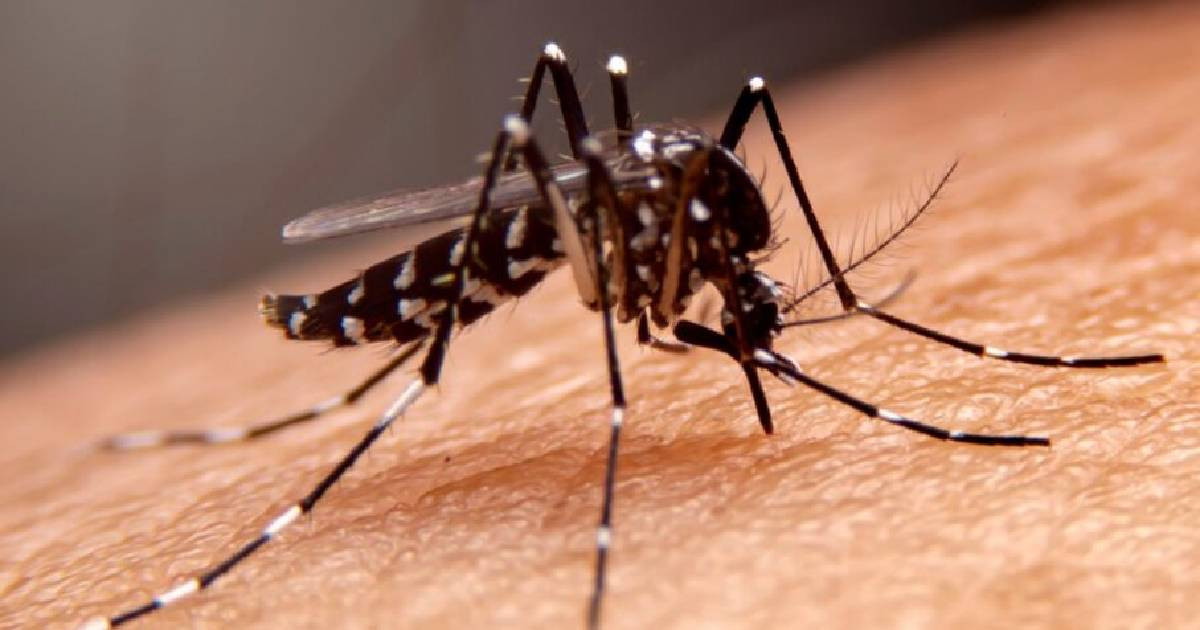
The situation in San Antonio del Sur is particularly alarming, with authorities acknowledging ongoing delays in focal treatment. This strategy involves manually eliminating the breeding grounds of the Aedes aegypti mosquito, a critical vector control measure when fumigation is not feasible.
Guantánamo has a troubling history as one of the provinces most affected by dengue in Cuba. In October 2022, it was identified as the nation's first territory with widespread infection, with nearly 1,600 mosquito breeding sites found in over 1,300 homes across nine municipalities.
This outbreak in Guantánamo unfolds amid a nationwide rise in health alarms. In June, the vice minister of Public Health, Carilda Peña, publicly warned that Cuba might face a new dengue epidemic due to the simultaneous circulation of all four virus serotypes. "If we don't take a series of actions, we could have an epidemic," she cautioned.
Meanwhile, the municipality of Ranchuelo in Villa Clara has been grappling with an outbreak of hemorrhagic dengue since mid-July, with serotypes II and IV circulating, 12 patients hospitalized, and residents reporting more severe cases than official figures suggest.
Structural issues exacerbating the situation remain unresolved. Prolonged power outages force residents to store water in containers that become mosquito breeding grounds, the garbage collection system has collapsed due to fuel shortages, leading to accumulation of mosquito habitats, and a lack of insecticides has halted fumigation efforts in many parts of the country.
According to the Pan American Health Organization, by the end of 2025, Cuba had reported more than 81,900 cases of dengue and chikungunya, with at least 65 deaths linked to these diseases. These figures highlight the extent of an epidemiological crisis that the regime delayed in officially acknowledging as an epidemic.
Understanding the Dengue Crisis in Guantánamo
What areas in Guantánamo are most affected by the dengue outbreak?
The municipalities of Imías and San Antonio del Sur are currently under high epidemiological alert due to the dengue outbreak.
What measures are being taken to control the dengue spread in Guantánamo?
Authorities are focusing on reinforcing epidemiological monitoring and implementing focal treatment strategies to eliminate mosquito breeding sites.
Why is the situation in San Antonio del Sur particularly concerning?
There are significant delays in focal treatment, which is critical for controlling mosquito populations when fumigation is not possible.