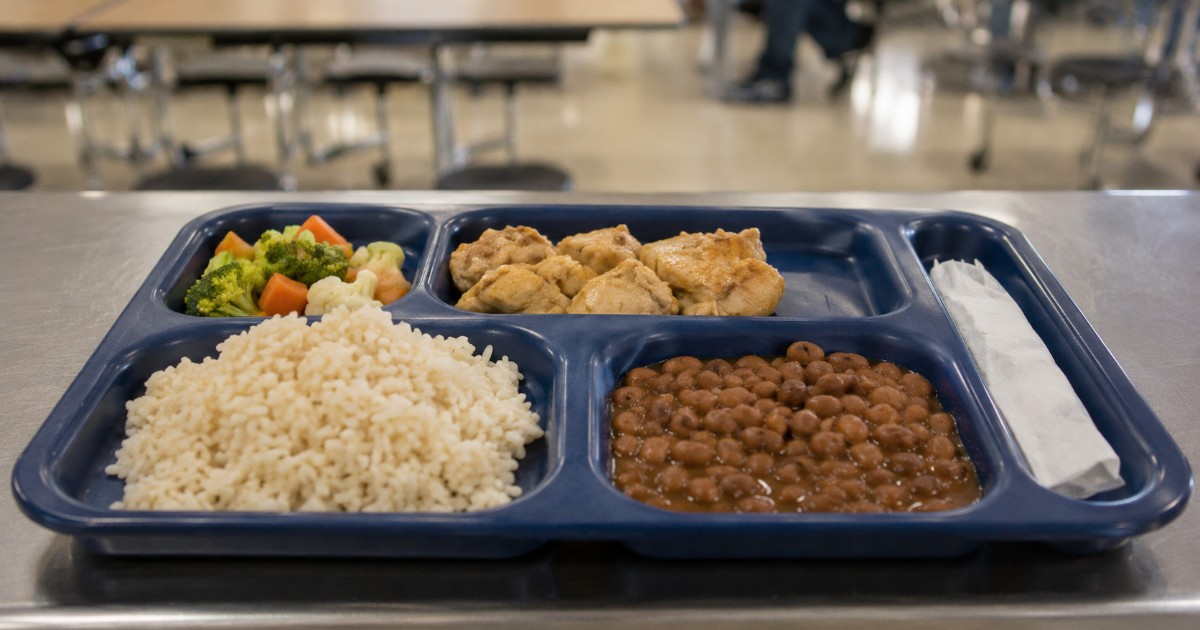
The Miami-Dade School Board decided on Wednesday to terminate the universal free lunch program for students who do not qualify for full or partial aid, ending four years of federal coverage for the entire district.
This change will be implemented in the 2026-2027 academic year. Students required to pay will face a lunch cost of $4.20 and a breakfast fee of $2.50.
However, breakfast will remain complimentary for all students from kindergarten through eighth grade.
Under this new system, 121 schools will continue offering free meals to all students, as they individually meet federal criteria.
Students who are directly certified through assistance programs will not need to apply, while other potentially eligible families can submit applications beginning August 10.
About 30% of students qualify for reduced-price meals, costing 40 cents for lunch and 30 cents for breakfast. Eligibility applications will open on August 10.
The decision was driven by a decrease in the percentage of "directly certified" students in the district, meaning those whose families are part of federal assistance programs like SNAP or Medicaid.
In 2022, 64% of students were directly certified, surpassing the federal threshold of 62.5% that mandates government funding for all students' meals. An analysis this year revealed a dramatic drop to 45.1%.
Luis Diaz, the district's Chief Operations Officer, attributed the decline in direct certification to the exodus of families due to high living costs, fewer immigrant students, and changes in federal assistance regulations.
Diaz mentioned that the district will utilize the parent portal and train school staff to guide families through the process.
"We are exploring every possible avenue to minimize the financial impact for the upcoming year, as there was none for the past four years. However, the reality is there is a financial burden, and we must manage it responsibly," he stated.
Among the changes highlighted by Diaz is the "One Big Beautiful Bill Act," signed into law on July 4, 2025, with support from President Donald Trump and the Republican majority in Congress, which cut SNAP funding and will reduce Medicaid funding next year.
The Florida Policy Institute's analysis documented a 10% decrease in SNAP caseloads in Miami-Dade from July to December 2025.
This situation significantly affects Latino and immigrant families in the county.
New immigrant student enrollment in Miami-Dade fell from 7,193 in the previous cycle to only 1,847 in 2025-2026, directly contributing to the decline in students certified for federal assistance.
Frequently Asked Questions About Miami-Dade's School Meal Changes
Why is Miami-Dade ending the universal free lunch program?
The program is ending due to a significant drop in the percentage of students directly certified for federal assistance, which no longer meets the threshold required for universal funding.
Who will still receive free meals under the new policy?
Breakfast will remain free for all students from kindergarten to eighth grade. Additionally, 121 schools that meet federal criteria will continue to offer free meals to all students.
How can families apply for meal assistance?
Families can begin applying for meal assistance starting August 10. Students directly certified through federal programs do not need to apply.
What factors contributed to the decrease in direct certification?
Factors include the high cost of living leading to family departures, a reduction in immigrant students, and changes in federal assistance program regulations.