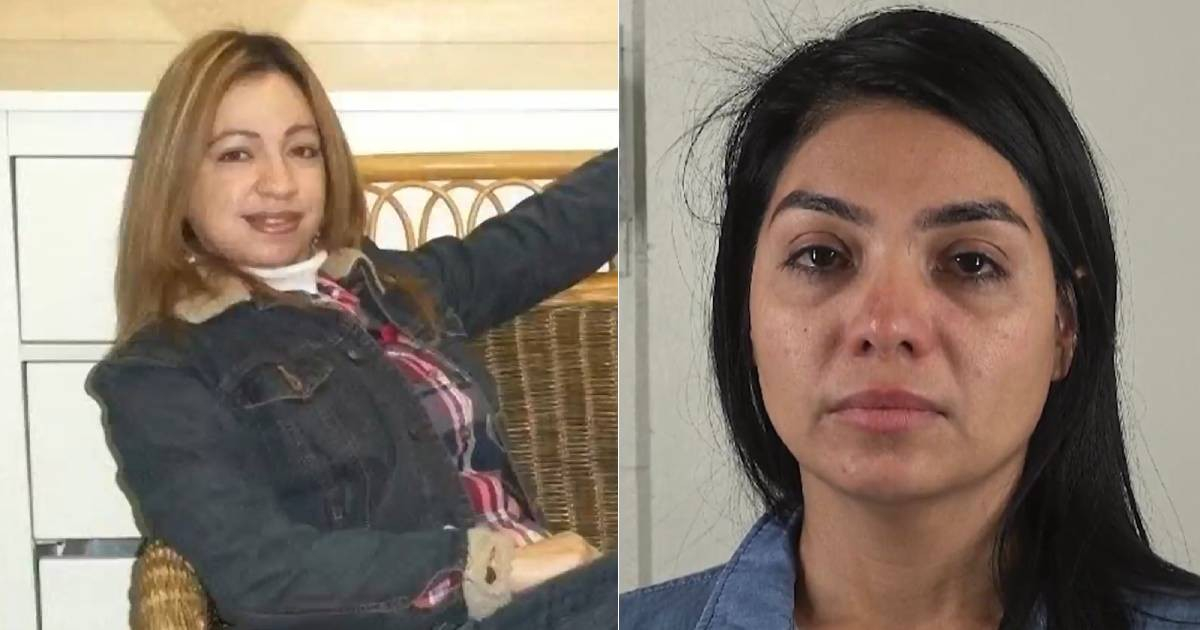
The Arlington Police Department in Texas, in collaboration with the Federal Bureau of Investigation (FBI), apprehended Mayra Velásquez, 42, on July 17. She is accused of murdering her friend, Irasema Chávez, in a case that had remained unsolved since January 2012. The breakthrough came through the application of a cutting-edge genetic genealogy technique, which led to the identification of the alleged perpetrator.
According to a report by USA Today, the significant progress in the investigation was achieved through the FBI's Investigative Genetic Genealogy (IGG) program. This tool merges DNA analysis from crime scenes with genealogical research to trace potential relatives of a suspect and reconstruct their family tree.
The Gruesome Crime Scene
The tragic incident occurred on the morning of January 20, 2012. Chávez, aged 32, was discovered unconscious and bleeding in her apartment on South Collins Street, Arlington, by a family member. The autopsy later uncovered that she had suffered over 100 stab wounds, a level of violence that initially shocked the investigators.
During the crime scene examination, a fresh drop of blood was found on the bedroom's TV stand. Tests confirmed it did not belong to the victim but to an unknown Hispanic woman. This genetic profile was entered into the Combined DNA Index System (CODIS), a national database used by law enforcement across the United States. However, no matches emerged for years, stalling the investigation.
Reviving a Cold Case with Genetic Genealogy
In November 2024, the case gained new life when Arlington detectives collaborated with FBI specialists in Dallas to determine the eligibility of the case for IGG analysis. After months of diligent work, the FBI notified investigators in April 2026 that Mayra Velásquez had been identified as the primary suspect.
Confirmation followed a month later through a discreet but lawful strategy. Investigators kept Velásquez under surveillance while she dined at a restaurant, collecting abandoned disposable utensils she left behind. Forensic analysis revealed that DNA from one of the utensils matched the genetic profile from Chávez's apartment 14 years earlier.
In the U.S., such evidence, known as abandoned DNA, can be legally used by authorities when individuals voluntarily discard objects containing their genetic material.
Emotional Closure for a Long-Standing Case
Arlington Police Chief Alexander Jones announced the arrest during a press briefing, expressing gratitude to the FBI for their ongoing support.
"I am thankful to the FBI for their persistent collaboration, and most importantly, I am relieved to inform Miss Chávez's family that we have made an arrest in this case," he stated.
Velásquez, a real estate agent affiliated with Pure Realtors LLC in the Dallas-Fort Worth area, is charged with capital murder and is currently held without bail in Tarrant County Jail.
Detective Tracy Dixon, one of the case's investigators, shared that informing the family about the arrest was one of the most poignant moments of his career.
"Sharing this news with the family is why we do this work. Everyone involved in such an investigation feels a sense of satisfaction when a case is solved, but also shares the pain that the family has endured all these years," he reflected.
Transforming Criminal Investigations
Joseph Rothrock, the special agent in charge of the FBI's Dallas office, explained that investigative genetic genealogy begins with an unknown DNA sample collected at a crime scene. This sample is then compared with publicly accessible genealogical databases to find potential biological relatives of the suspect. From these matches, investigators build family trees leading to the suspect's identification.
The authorities have not disclosed a potential motive for the murder.
Investigative genetic genealogy gained prominence in 2018 with the apprehension of the "Golden State Killer" in California. Since then, the FBI has utilized this technology to help solve nearly 250 cases across 30 states, establishing it as one of the most effective tools for resolving homicides and other crimes that have long remained unanswered.
Understanding Genetic Genealogy in Crime Solving
What is the Investigative Genetic Genealogy (IGG) program?
The IGG program is a tool that combines DNA analysis from crime scenes with genealogical research. It helps identify potential relatives of a suspect and reconstructs their family tree to aid in solving crimes.
How does abandoned DNA evidence work in investigations?
Abandoned DNA evidence involves collecting genetic material from objects that a suspect has voluntarily discarded. This type of evidence can be legally used by authorities to connect DNA profiles to a suspect.
Why is genetic genealogy significant in solving cold cases?
Genetic genealogy is significant because it provides a new method to identify suspects in cases that have gone unsolved for years. By tracing family connections through DNA, investigators can uncover leads that traditional methods might miss.