The simultaneous withdrawal of three prominent Spanish hotel chains from Cuba has sparked a crucial question in the international tourism sector: who will step in to fill the void?
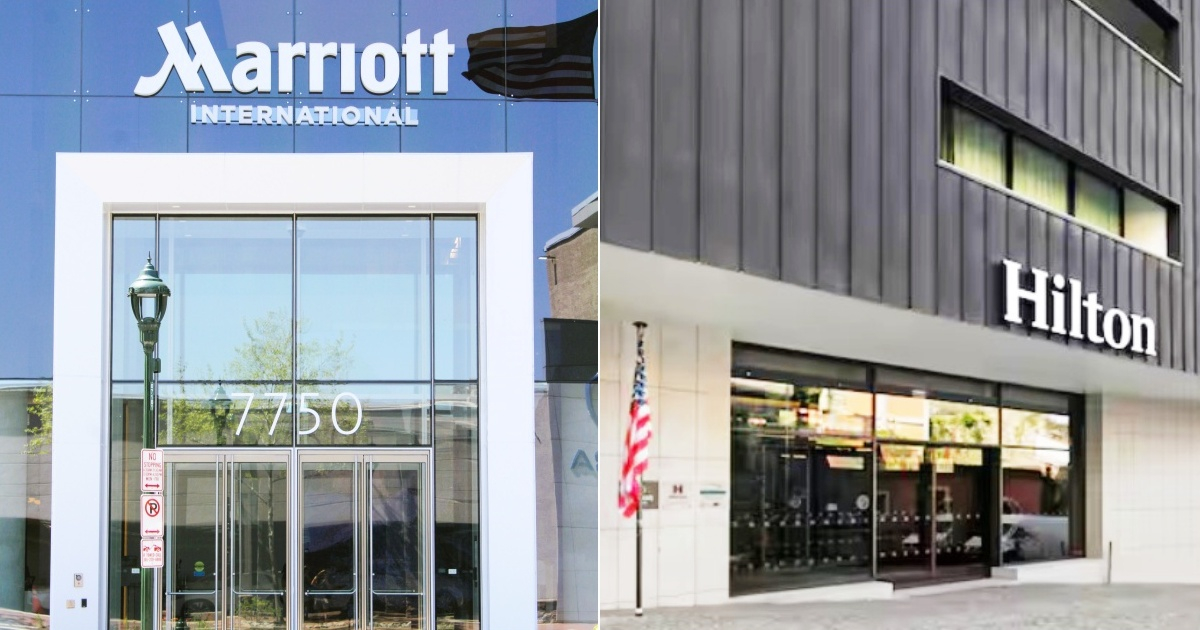
According to an analysis published Thursday in the Spanish newspaper ABC by journalist Antonio Ramírez Cerezo, the likely contenders are Marriott, Hilton, Hyatt, and Wyndham.
The exodus was triggered by the Trump administration's decision to add Cuba's Ministry of Tourism and nine state entities to the U.S. Treasury Department's list of Specially Designated Nationals.
Meliá closed its 34 hotels on the island on Tuesday, marking the end of a 36-year run, followed by similar announcements from Iberostar and Barceló.
The Opening for American Hospitality Giants
Ramírez Cerezo is clear in his assessment:
"The departure of major Spanish hotel chains from Cuba under U.S. sanction threats clears the path for American hotel giants to seize the opportunities created over the past three decades by Meliá, Iberostar, and Barceló."
The departing chains controlled over 30,000 of the 86,559 available rooms on the island—about 35% of the total—creating a ready-made infrastructure that makes Cuba a prime target for American brands.
The journalist underscores the eagerness of these companies:
"The Caribbean 'pearl' has always been a coveted target for American brands like Marriott, Hilton, Hyatt, and Wyndham, some of the world's largest hotel operators with a combined total of around 4 million rooms. The potential shift towards a capitalist economy, led by Washington, makes this opportunity even more tantalizing."
Historical Context and Potential Developments
While no formal announcements have been made yet, the analysis suggests that "nobody in the Spanish hotel sector doubts that the next steps are already mapped out if the expected changes occur."
Ramírez Cerezo draws a parallel with Venezuela:
"Should a U.S.-led transition occur—similar to what's happening in Venezuela with American oil companies following the capture of Nicolás Maduro—the scenario would be favorable for a significant American hotel industry expansion."
Marriott is the only American hotel presence in Cuba in recent decades, managing the Four Points by Sheraton Havana from 2016 during Barack Obama's diplomatic thaw until the Trump administration ordered its closure in August 2020.
American chains would enter with significant financial backing, supported by airlines like American Airlines and Delta, and platforms such as Booking.
Market Potential and Challenges
Ramírez Cerezo emphasizes, "American hotel chains have the capability to lure millions of loyalty program customers to any destination."
The analysis points out that Hyatt is the only American chain with a substantial presence in the Caribbean's "All-Inclusive" segment, boasting over a hundred properties in the region, compared to Marriott's 30 resorts or Wyndham's 20.
The global development leader for Hyatt is Spaniard Javier Águila, who recently recruited María Zarraluqui, a former Meliá expansion executive of 25 years. Ramírez Cerezo sees this move as pivotal for Hyatt's potential interest in the Cuban market.
Cuba's potential as a destination is undeniable: it boasts 5,746 kilometers of coastline, surpassing the Dominican Republic's 1,288 km or Jamaica's 1,022 km, and is less affected by the sargassum seaweed plaguing Punta Cana and the Riviera Maya.
However, the current situation is dire: only 298,057 visitors arrived in the first quarter of 2026, a 55% decline compared to the same period the previous year.
In 2025, the total visitor count was merely 1.8 million, down from the record 4.7 million in 2018.
Ramírez Cerezo concludes his analysis with a statement encapsulating the historical significance of this moment:
"Should there be a favorable scenario for the opening of the Castro regime after nearly seven decades of dictatorship, it would revolutionize tourism as known in the Caribbean countries. The potential is boundless."
Potential Impact of American Hotel Expansion in Cuba
What triggered the exit of Spanish hotel chains from Cuba?
The departure was prompted by the Trump administration's inclusion of Cuba's Ministry of Tourism and nine state entities on the U.S. Treasury's Specially Designated Nationals list.
Which American hotel chains are expected to enter the Cuban market?
Marriott, Hilton, Hyatt, and Wyndham are the American hotel giants anticipated to fill the space left by the departing Spanish chains.
How could American hotel chains benefit from entering Cuba?
American hotel chains could capitalize on existing infrastructure and leverage their financial strength and extensive customer loyalty programs to attract millions of visitors.